A Gardener’s Guide to Hanging Baskets
June 10, 2024
More than just a simple way to save floor space, hanging baskets are a creative way of adding new dimensions to your garden, and we’ve got the tips to help! Our comprehensive design and maintenance guide will help your hanging baskets reach their highest potential. So, if you want to adorn your porches, pergolas, and fences with a sense of movement and vertical intrigue, or if you’re ready to surround your outdoor space with vibrant flowers and lush greenery, read on!
Essential Flowers for Hanging Baskets
Choosing the right flowers is the first step for growing beautiful hanging baskets. These lofty planters are ideal places to enjoy bright, colorful blooms as both trailing and drooping flowers. Here are a few of our personal picks for the best flowers for hanging baskets:
- Petunias: Known for their wide range of colors and patterns, petunias are hardy and bloom from spring until the first frost. They thrive in full sun and well-draining soil.
- Geraniums: These robust flowers can withstand both heat and a bit of neglect, making them perfect for busy gardeners. They come in a variety of colors and have a pleasant scent.
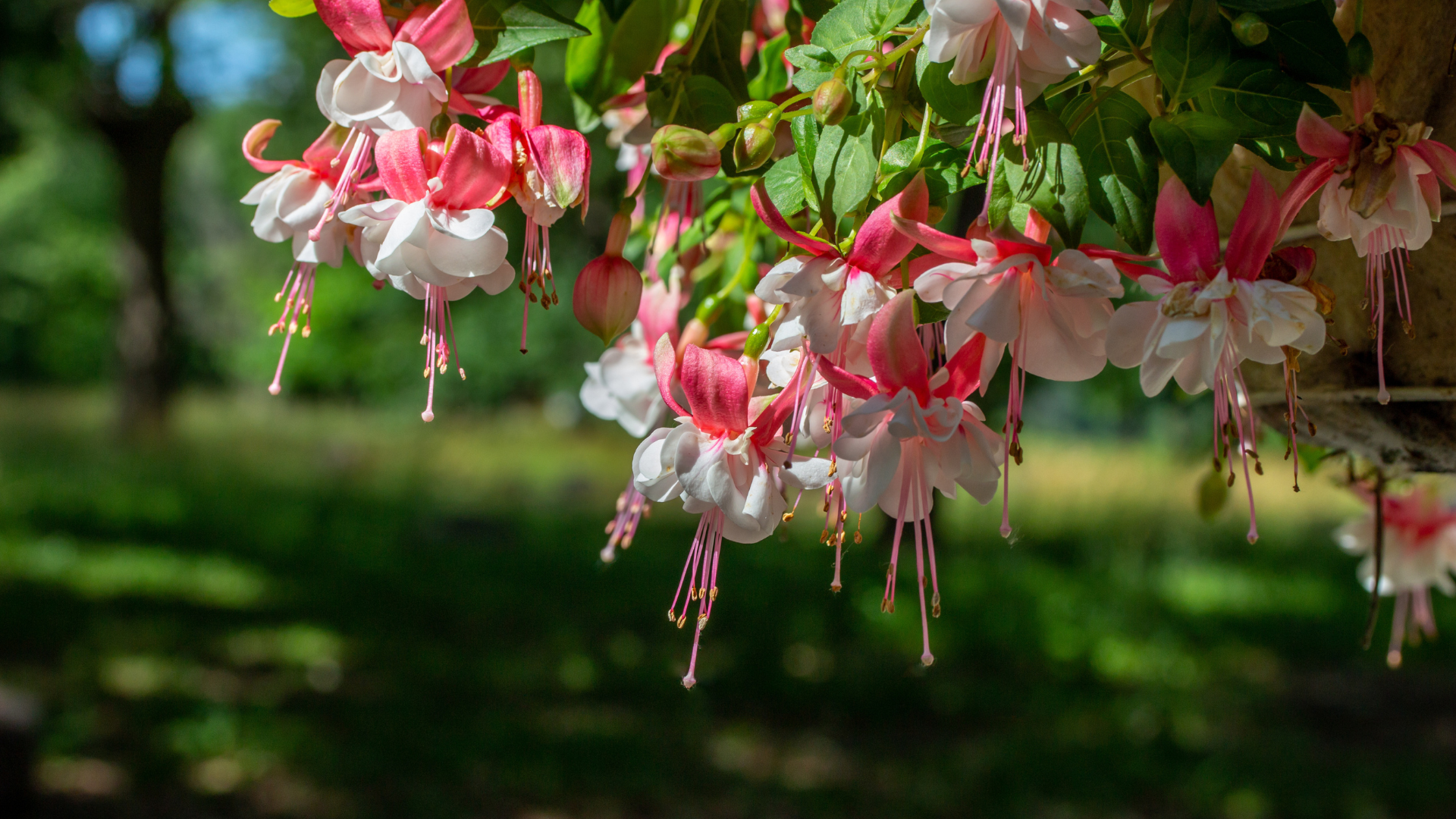
- Fuchsias: With their exotic, drooping flowers, fuchsias add a touch of elegance to any hanging basket. They prefer partial shade and regular watering.
- Begonias: Ideal for shady spots, begonias come in many varieties, including trailing types perfect for hanging baskets. They need well-draining soil and consistent moisture.
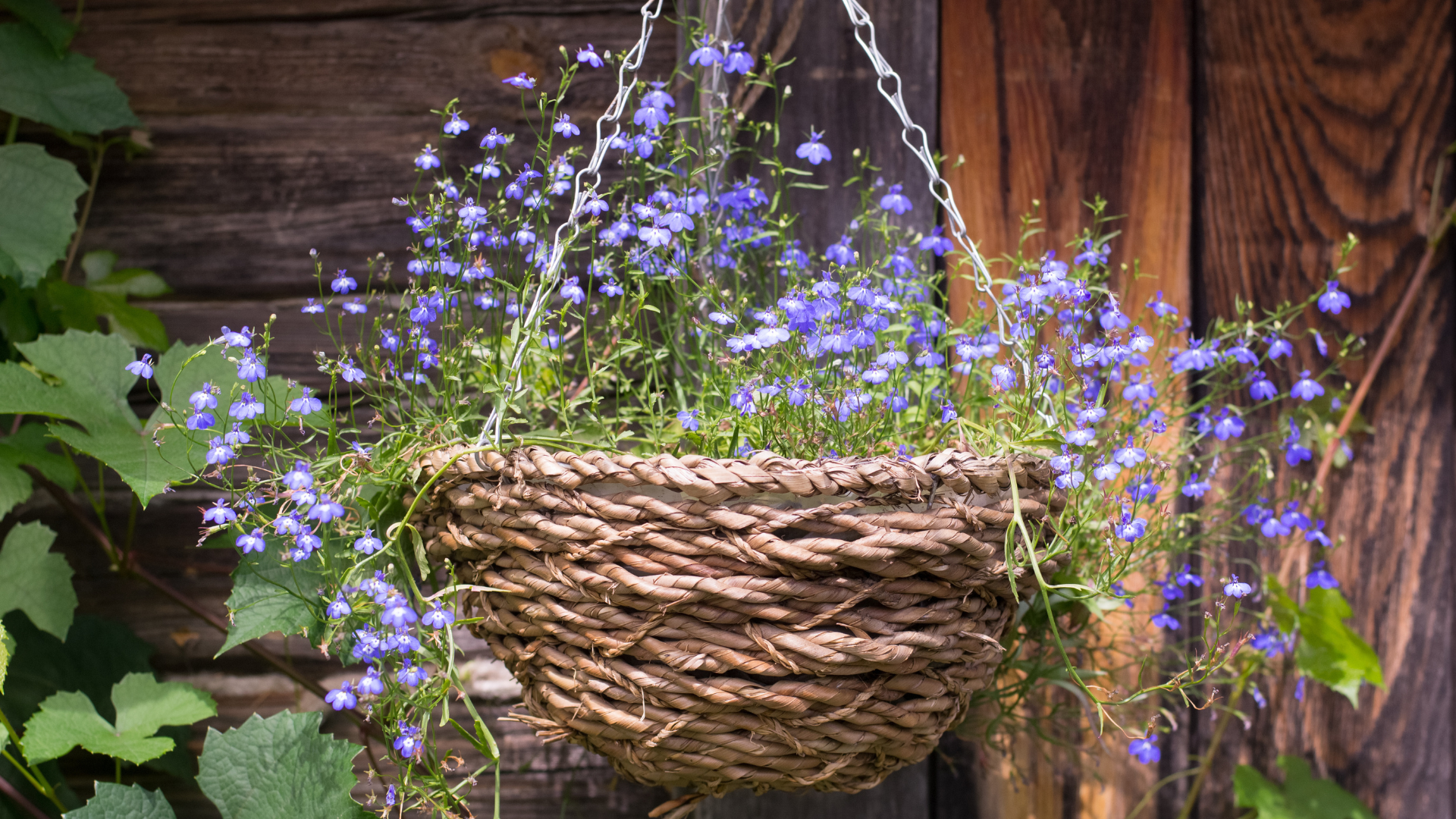
- Lobelia: These delicate, trailing flowers are perfect for adding a cascade of blue, white, and purple to your baskets. They prefer cooler temperatures and partial shade.
- Creeping Jenny (Lysimachia): With its vibrant green and yellow foliage, Creeping Jenny is perfect for adding a lush, trailing effect to your hanging baskets. It thrives in both full sun and partial shade, making it versatile for various locations.
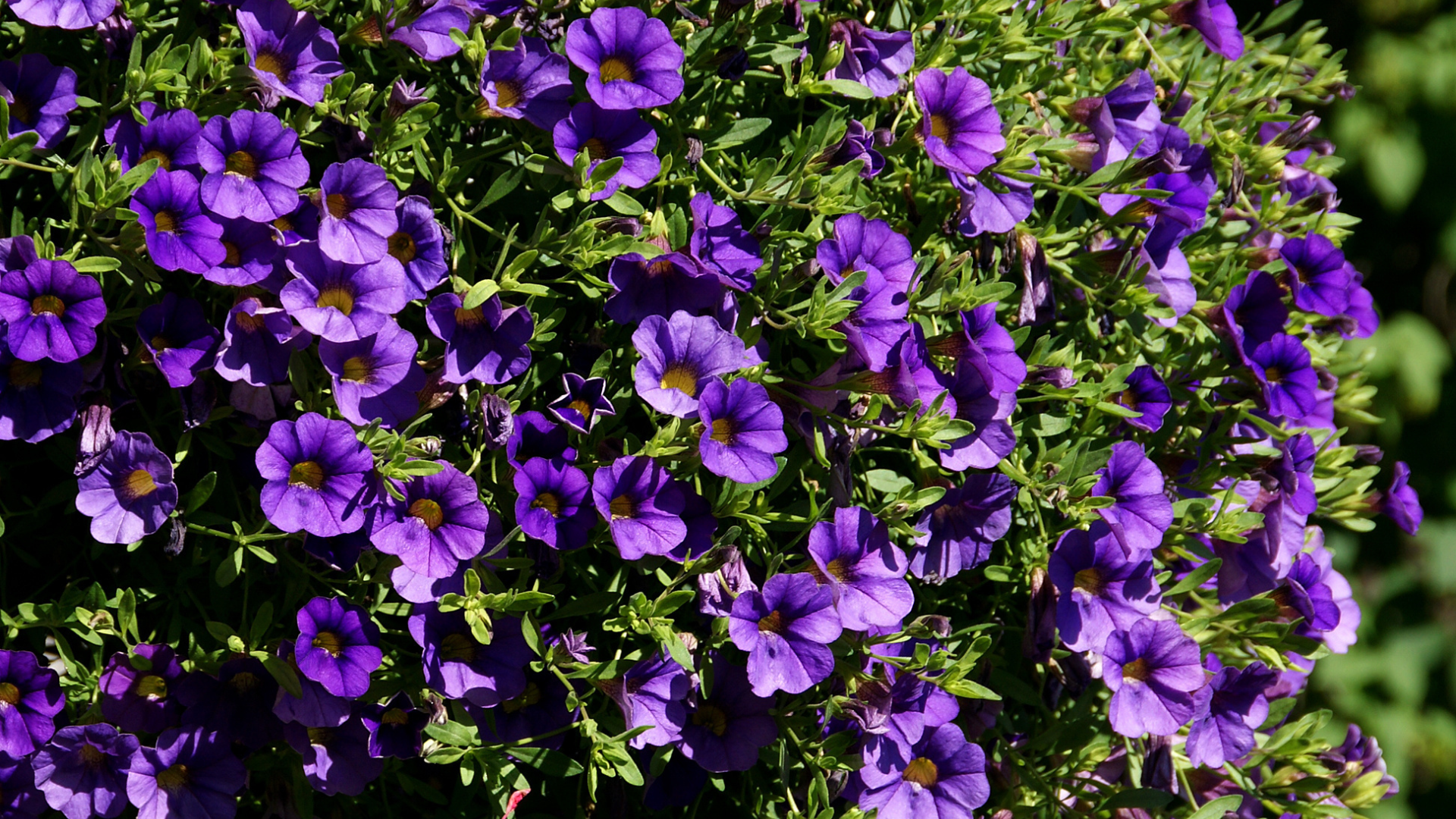
- Million Bells (Calibrachoa): Resembling small petunias, Million Bells are prolific bloomers that come in a wide range of colors. They thrive in full sun and well-draining soil, providing a stunning display throughout the season.
Hanging Basket Design Tips
The ultimate goal of hanging basket design is to create dynamic displays appropriate for each season. Mixing plants with different growth habits always creates an intriguing display. For example, combining trailing plants like ivy geraniums with upright varieties like marigolds creates a gorgeous waterfall effect. The classic design style of “thriller, filler, spiller” also works wonders in a hanging basket, as long as the thrillers aren’t too tall and their roots tolerate a shallow pot.
It’s also crucial to choose plants with similar water and light needs. Mixing a sun-loving plant with a shade-loving one is the recipe for an unhappy marriage. Similarly, combining a drought-tolerant plant with one that needs constant moisture creates an awkward situation for your flowers. Do a little research or come see us for advice on the best combinations!
Hanging Basket Maintenance and Care Tips
Even though they look more laid back than your average planter, keeping your hanging baskets looking their best requires a bit of regular care. Here are some essential hanging basket maintenance tips to keep in mind:
- Watering: Hanging baskets dry out faster than ground plants, especially in the summer heat. Check your baskets daily and water thoroughly until water runs out of the bottom. For best results, water them in the early morning or late evening to reduce evaporation.
- Feeding: Regular feeding is crucial for abundant blooms. Use a water-soluble fertilizer every two weeks, or mix some slow-release fertilizer pellets into the soil at planting time. Another popular option is to add a diluted liquid fertilizer to every other watering to provide your planters with a continuous nutrient supply.
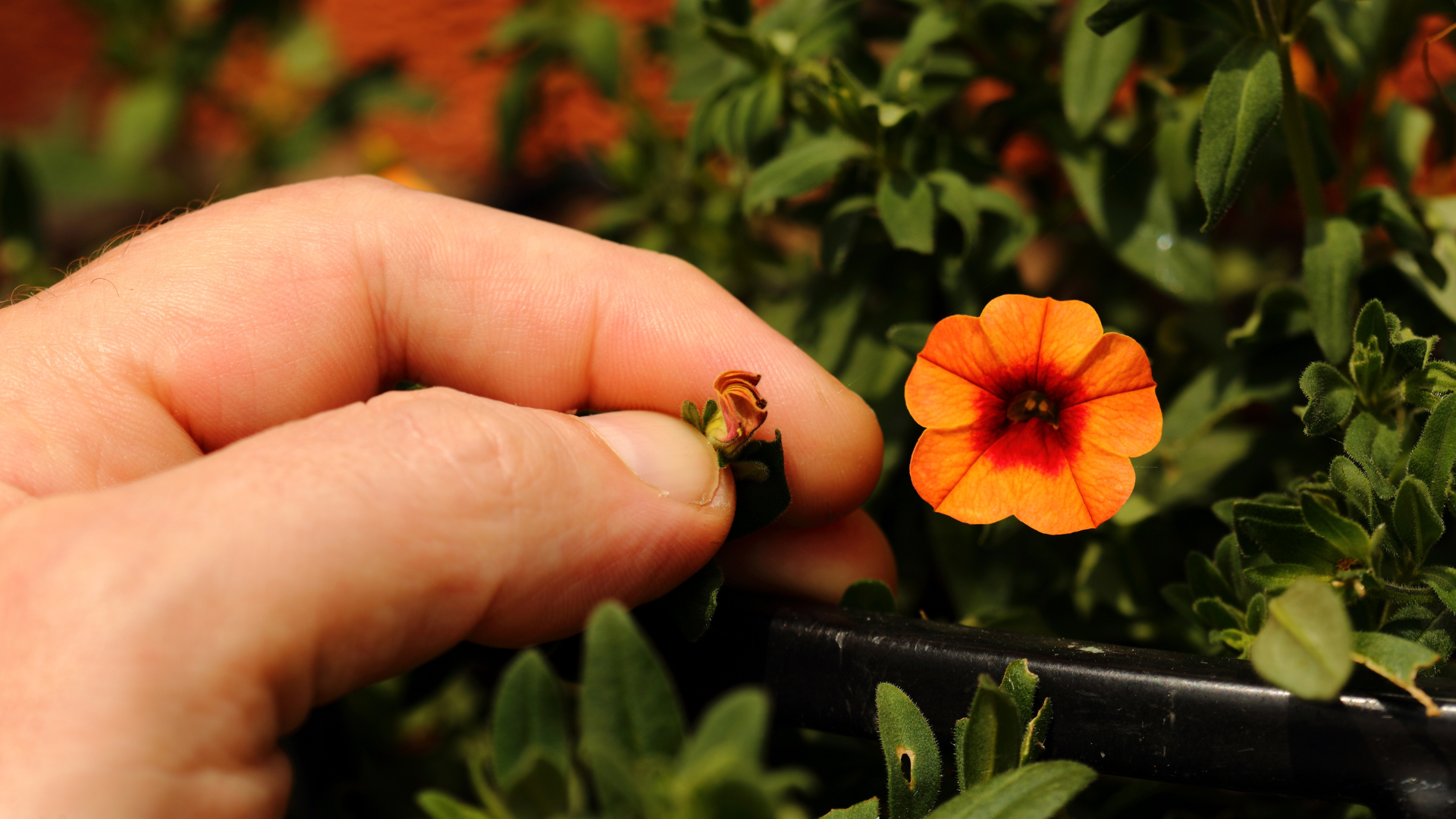
- Pruning: Trim back any spent flowers and leggy or overgrown stems in your baskets to maintain a tidy appearance. Removing spent flowers (deadheading) encourages new blooms and prevents your plants from using excess energy to produce seeds, while regular pruning helps promote bushier growth and prevents plants from becoming too straggly.
- Pest Control: Keep an eye out for common pests such as aphids, spider mites, and whiteflies. Be sure to check under the leaves and in the nooks and crannies where pests like to hide. A gentle spray with water or a mild insecticidal soap can help keep these pests at bay.
- Soil Care: Refresh your baskets’ soil annually. If reusing the basket from the previous year, replace the top few inches of soil and mix in some compost to replenish nutrients, which will help maintain soil health and provide a fresh start for your new plants.
- Rotation: Rotate your baskets every week or so to ensure even growth and flowering, especially if only one side gets direct sunlight. Regular rotation helps plants grow evenly and prevents one side from becoming overgrown and the other sparse.
Vegetables for Hanging Baskets
Flowers aren’t the only plants that thrive in hanging baskets; these planters also make excellent habitats for trailing veggies like cherry tomatoes, peas, and strawberries. Instead of growing up or out, trailing varieties drape elegantly down over the sides, providing both beauty and produce. Drought-loving herbs like rosemary also make excellent candidates for hanging baskets.
Where to Place Your Hanging Basket
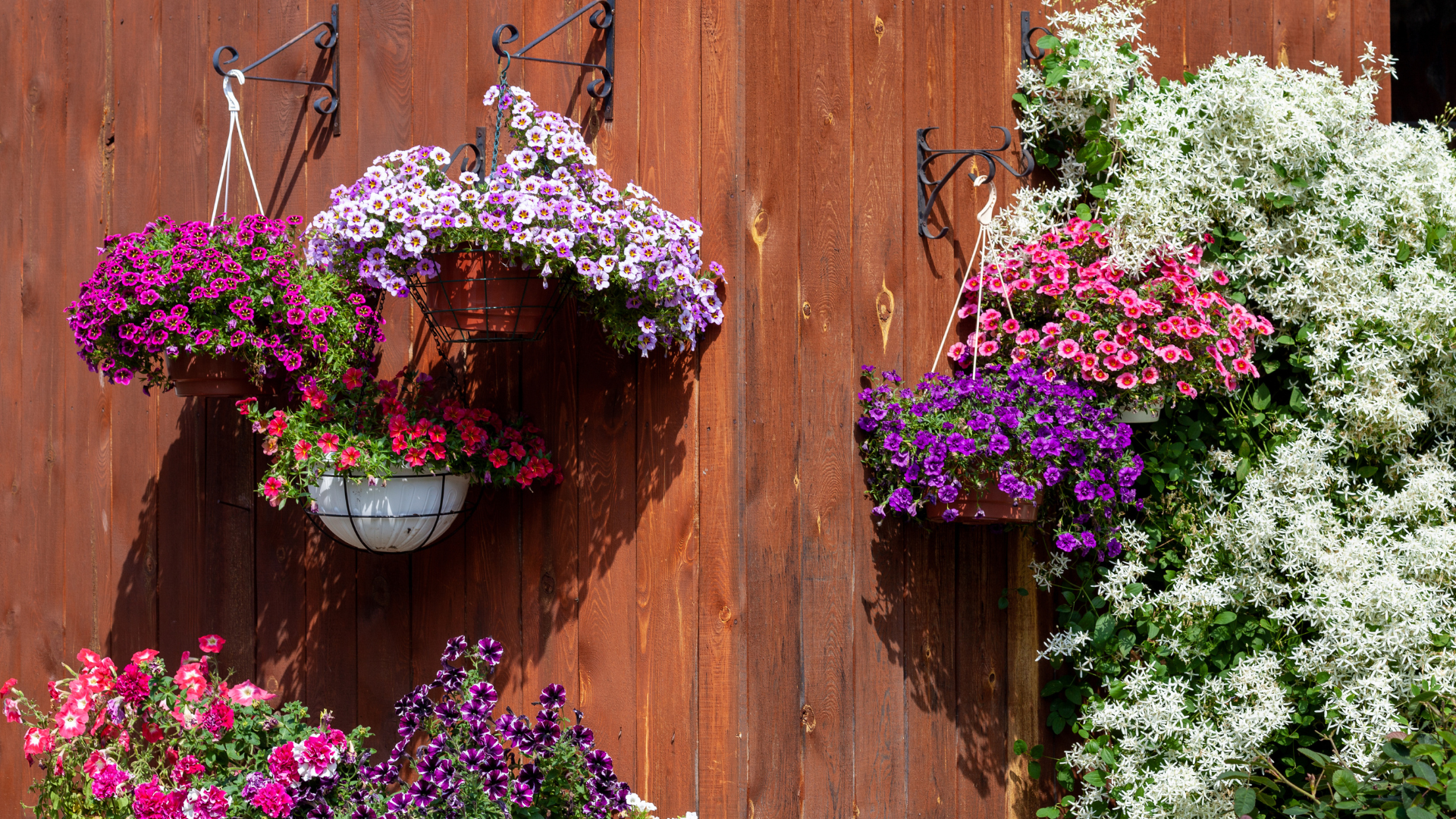
Creating artistic hanging baskets involves not just their design but also their placement; their beauty and growing success hinge upon a savvy location. Here are some tips to consider for the best results:
- Sun Exposure: Different plants have varying sun requirements. For example, petunias and geraniums love full sun, while fuchsias and begonias prefer partial shade. Observe your garden throughout the day to determine the best spots for your baskets. Remember: full sun means at least six hours of direct sunlight per day, while partial shade means about three to six hours.
- Height: Hang your baskets at a height where they can be easily watered and maintained; eye level or just above is ideal for easy access and optimal viewing. Remember: if you need a ladder to reach your baskets, you’re much more likely to neglect their care.
- Wind Protection: Strong winds can damage delicate plants and quickly dry out soil, so hang your baskets in sheltered spots near walls or fences to protect them. If your garden is particularly windy, use windbreaks or hang them in areas that naturally receive less wind.
- Accessibility: Hang your baskets where you can enjoy their beauty daily, such as near windows, walkways, or seating areas. This ensures you can appreciate the fruits of your labor and are more likely to notice when they need attention.
Suspended high above the rest of your landscape, hanging baskets offer a new space within which to explore your creativity. With the right flower selection, proper maintenance, and strategic placement, your hanging baskets will flourish and become a highlight of your garden. For more tips to elevate your hanging baskets in Glenside, feel free to visit our local independent garden center!