Houseplants for the Seasonal Shift Indoors
September 28, 2026
As the outdoor garden begins to wind down, the best houseplants for fall can bring fresh color, texture, and greenery into your home for the cooler months. The best houseplants for fall can turn the seasonal shift indoors into another opportunity to grow, observe, and enjoy greenery. As outdoor gardens begin to slow down and daylight becomes shorter, indoor plants offer color, texture, and life without requiring a raincoat or a pair of muddy boots. From leafy tropicals and orchids to cacti, terrariums, and hanging baskets, there is an indoor plant for nearly every room and gardening style.
Start with the Light
Before choosing a houseplant, take a look at where it will actually live. A bright south- or west-facing window can provide considerably more light than a shaded north-facing one, while nearby buildings, trees, curtains, and overhangs can change conditions even within the same room. Rather than choosing a plant because it looks good on the store shelf, choose one that is well adapted to light levels.
The amount and quality of light will also change as fall progresses into winter. A spot that seemed bright in September may receive considerably less useful light in December. Garden center staff can help you find plants that are suited for every light level.
Discover Your Home’s Microclimates
Every house has its own little climate. A sunny kitchen windowsill may be warm and bright, while a bathroom can be humid, and a room beside a frequently opened exterior door may experience chilly drafts. Thinking about temperature, humidity, airflow, and available space before buying a plant can help you choose plants that will be at their best in your home.
Consider the mature size of a plant, too. A small tropical may seem perfectly suited to a side table in October but could eventually become a substantial floor plant. Hanging baskets are excellent when floor and shelf space are limited, while compact foliage plants and terrarium plants can work well on desks, shelves, and other small spaces.
 Choose Foliage for Lasting Color
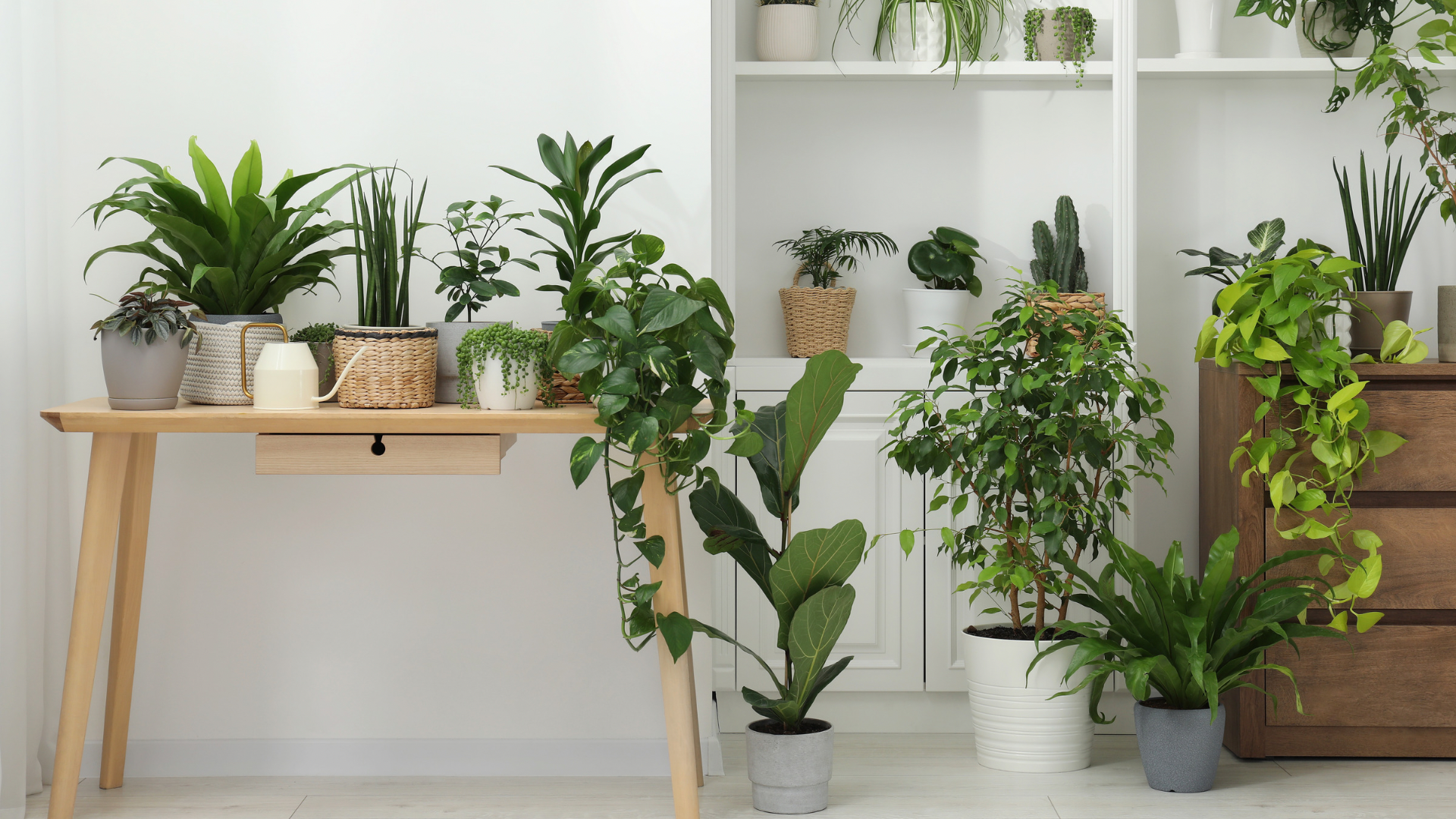
Foliage plants are dependable choices when the goal is greenery that lasts beyond the fall season. Plants such as pothos, philodendrons, snake plants, ZZ plants, peperomias, and many varieties of ferns offer different leaf shapes, textures, and shades of green. Some tolerate less-than-perfect conditions, which makes them particularly useful for gardeners looking for forgiving options.
Variegated foliage can add brightness without relying on flowers, while plants with large leaves can create a stronger visual presence in a room. Think about how the plant will interact with furniture, walls, windows, and other décor rather than treating it as an isolated object. A well-placed plant can make a room feel more connected to the garden outside.
Bring in Tropical Character
Tropical houseplants can be especially appealing as outdoor gardening slows down because they keep the feeling of summer alive indoors. Plants with large leaves, unusual textures, or trailing growth can bring a lush quality to living rooms, offices, bedrooms, and bright entryways. Many tropicals appreciate warmth and humidity, but their light requirements can vary considerably, so check the needs of a particular plant before choosing its location.
Fall is also a useful time to think about which outdoor plants might be worth overwintering indoors. Tender herbs, tropical foliage plants, and some annuals can sometimes make the transition successfully if they have enough light and suitable indoor conditions. Not every plant needs to make the move, though; sometimes the most sensible gardening decision is to enjoy a plant outdoors while it is in season and start fresh indoors.
 Give Orchids and Cacti a Chance
 Give Orchids and Cacti a Chance
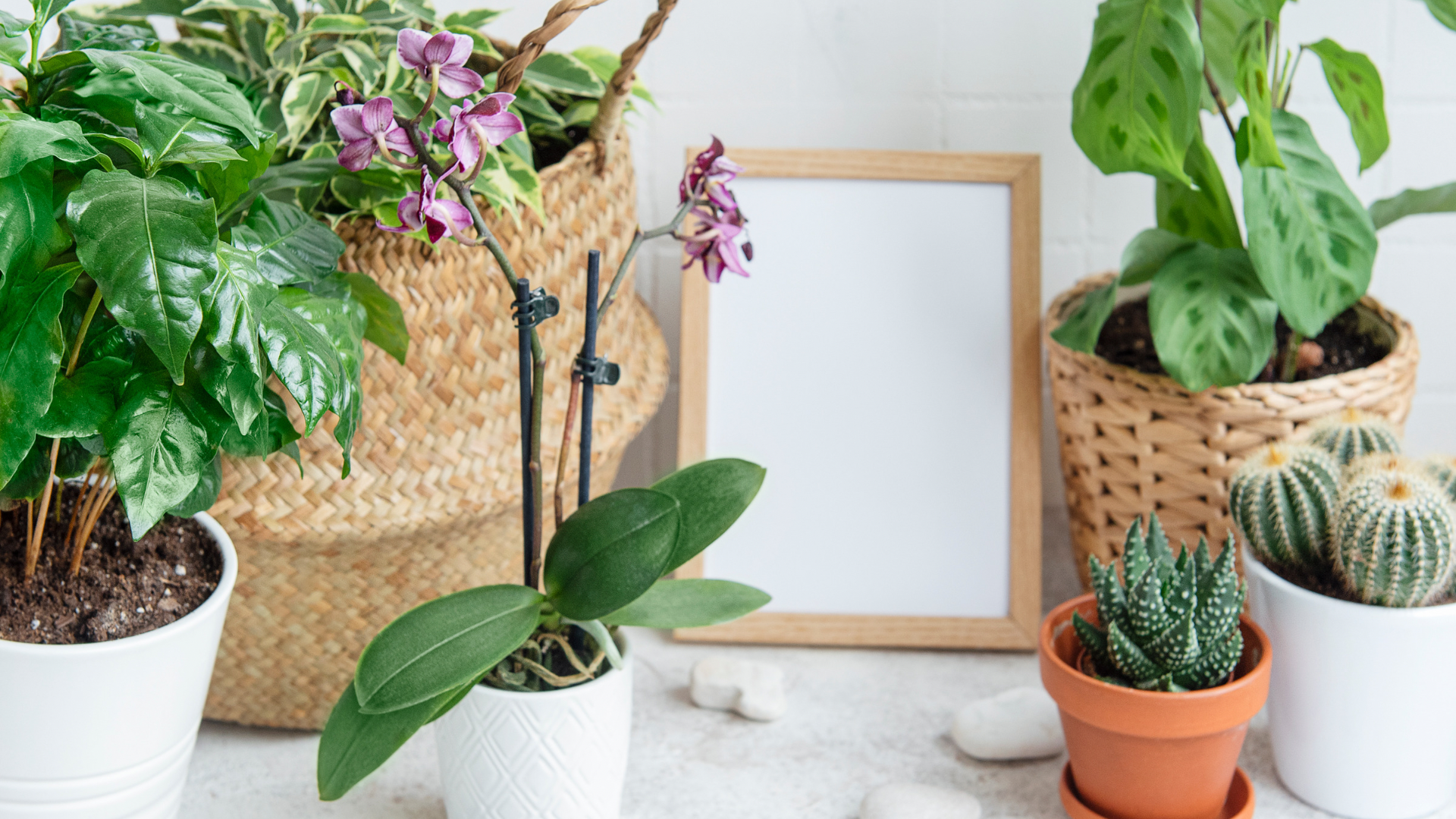
Orchids can look intimidating, but many popular varieties are surprisingly manageable when their basic needs are understood. Phalaenopsis orchids, for example, generally prefer bright, indirect light and a growing medium that drains well rather than staying constantly wet. Their flowers can last for weeks, giving a room a welcome bit of color when the outdoor landscape becomes quiet.
Cacti and other succulents offer an entirely different approach. Their architectural shapes and ability to tolerate dry conditions make them useful for bright windows where other plants might struggle. The key is resisting the urge to water them simply because you happen to walk past them; in many cases, allowing the growing medium to dry between waterings is far healthier.
Make Room for Terrariums
 Make Room for Terrariums
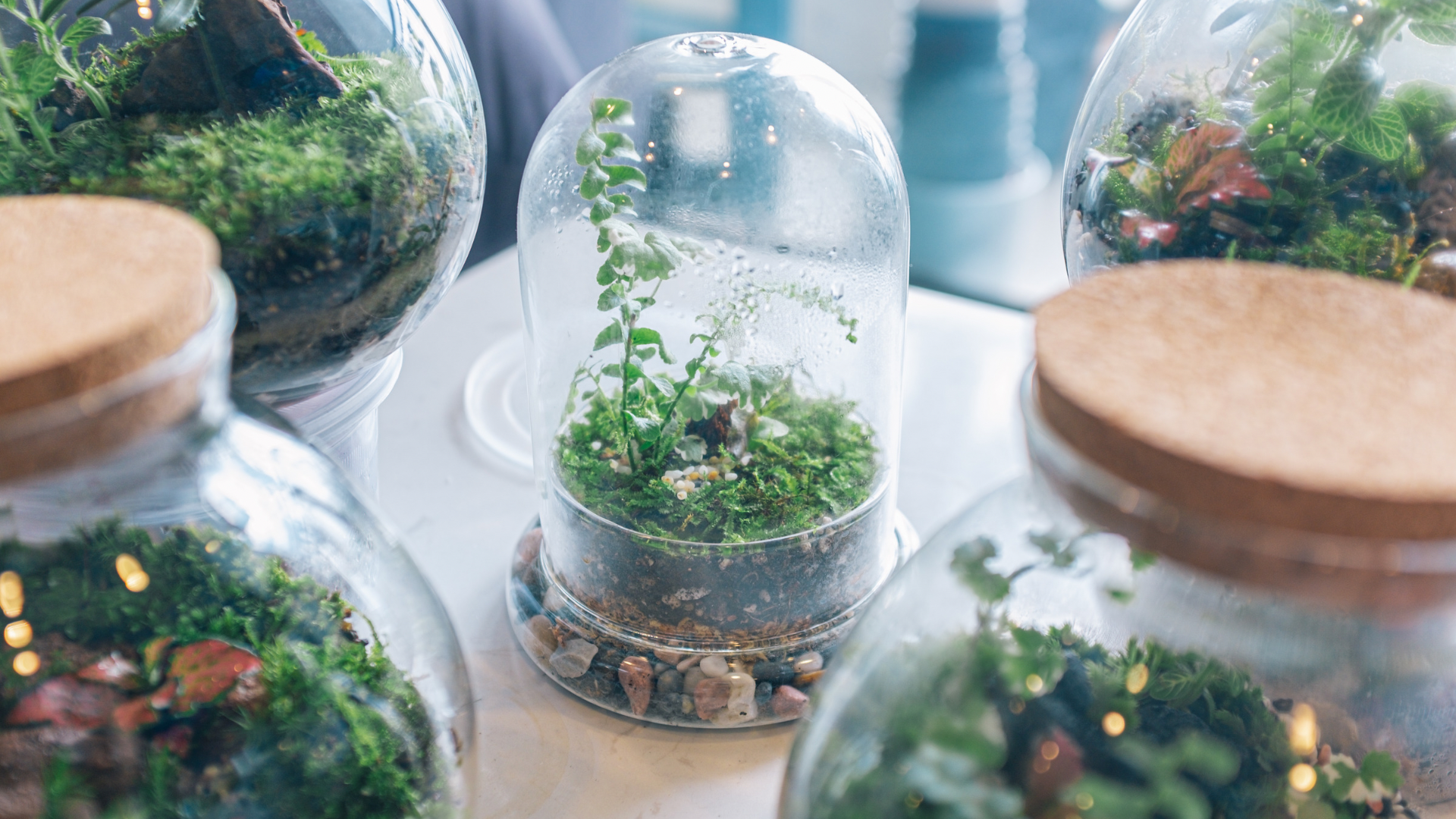
Terrariums offer a miniature version of the garden and can be a fun way to bring growing into smaller spaces. Depending on the design, they can feature mosses, small ferns, miniature foliage plants, or other species that appreciate the protected environment. They are particularly appealing when windowsills and shelves are already crowded with larger plants.
A terrarium should not be treated as a tiny greenhouse that never needs attention. Closed terrariums can retain substantial moisture, so overwatering can quickly create problems, while open terrariums generally dry more quickly. Choose plants with similar needs, provide appropriate light, and resist turning the container into a botanical version of a crowded suitcase.
Think Vertically with Hanging Baskets
 Think Vertically with Hanging Baskets
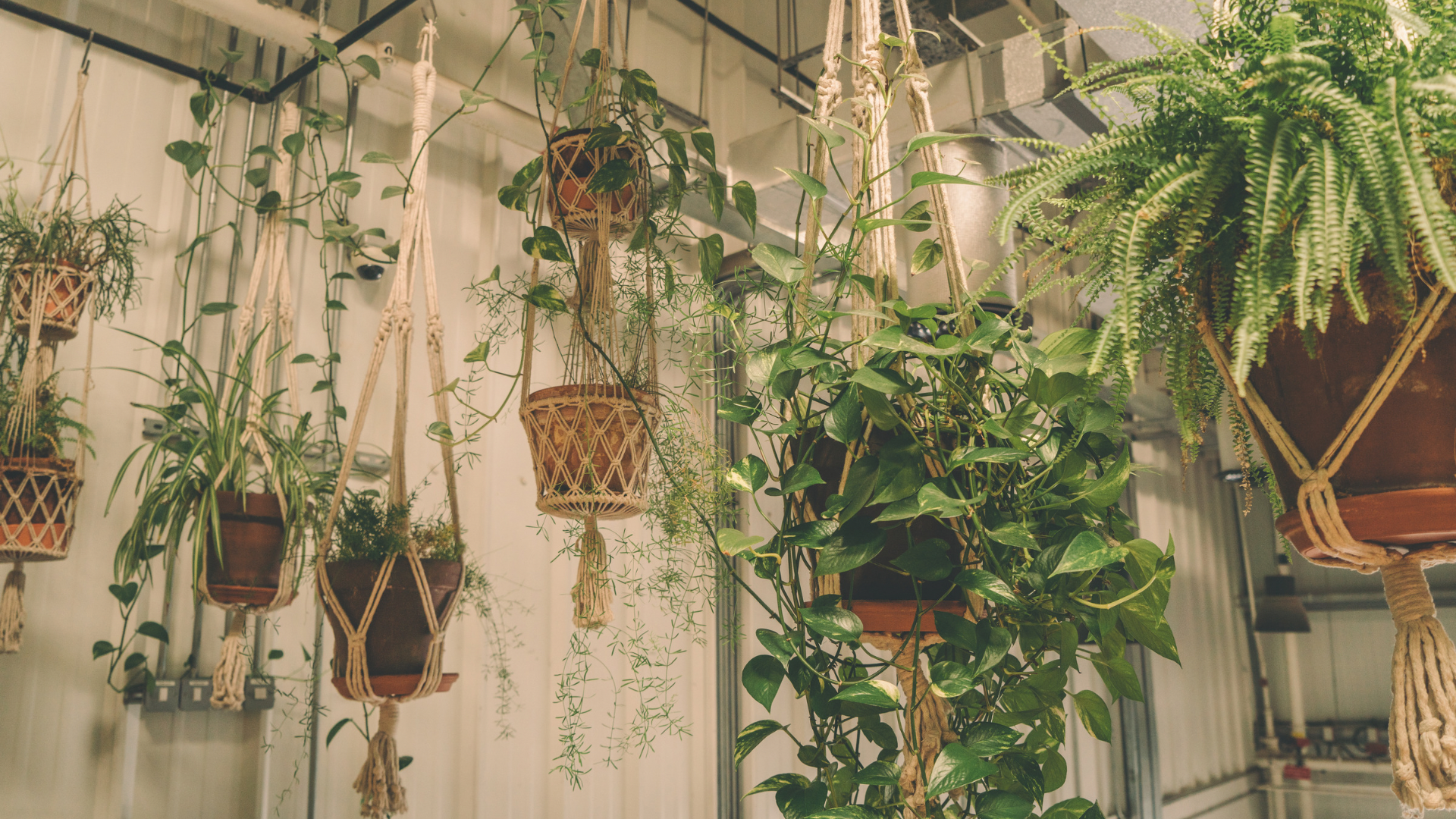
Hanging baskets can make use of space that otherwise goes completely to waste: the air above your furniture. Trailing plants such as pothos, heartleaf philodendron, spider plants, and certain hoyas can soften shelves and windows while adding movement through cascading foliage. They can also keep plants away from busy surfaces, although hanging baskets should be securely installed and positioned where their watering needs are manageable.
Remember that a hanging plant can be harder to inspect than one sitting at eye level. Check leaves regularly for pests, dry soil, yellowing foliage, or other signs of stress.
Adjust Your Fall Houseplant Care Routine
Moving from outdoor gardening to indoor growing requires a shift in habits. Indoor plants usually lose water more slowly than containers sitting outside in sun and wind, so watering on the same schedule all year can cause problems. Instead, check the growing medium and the plant itself, then water according to its actual needs.
As part of fall houseplant care, give plants a good inspection before settling them into their winter locations. Clean dusty leaves gently, remove dead or damaged foliage, and look carefully for insects or signs of disease. If plants are moving indoors from outside, keeping them separated from established houseplants for a short period can also reduce the chance of introducing unwanted pests.
Thriving Over the Winter Months
 Thriving Over the Winter Months
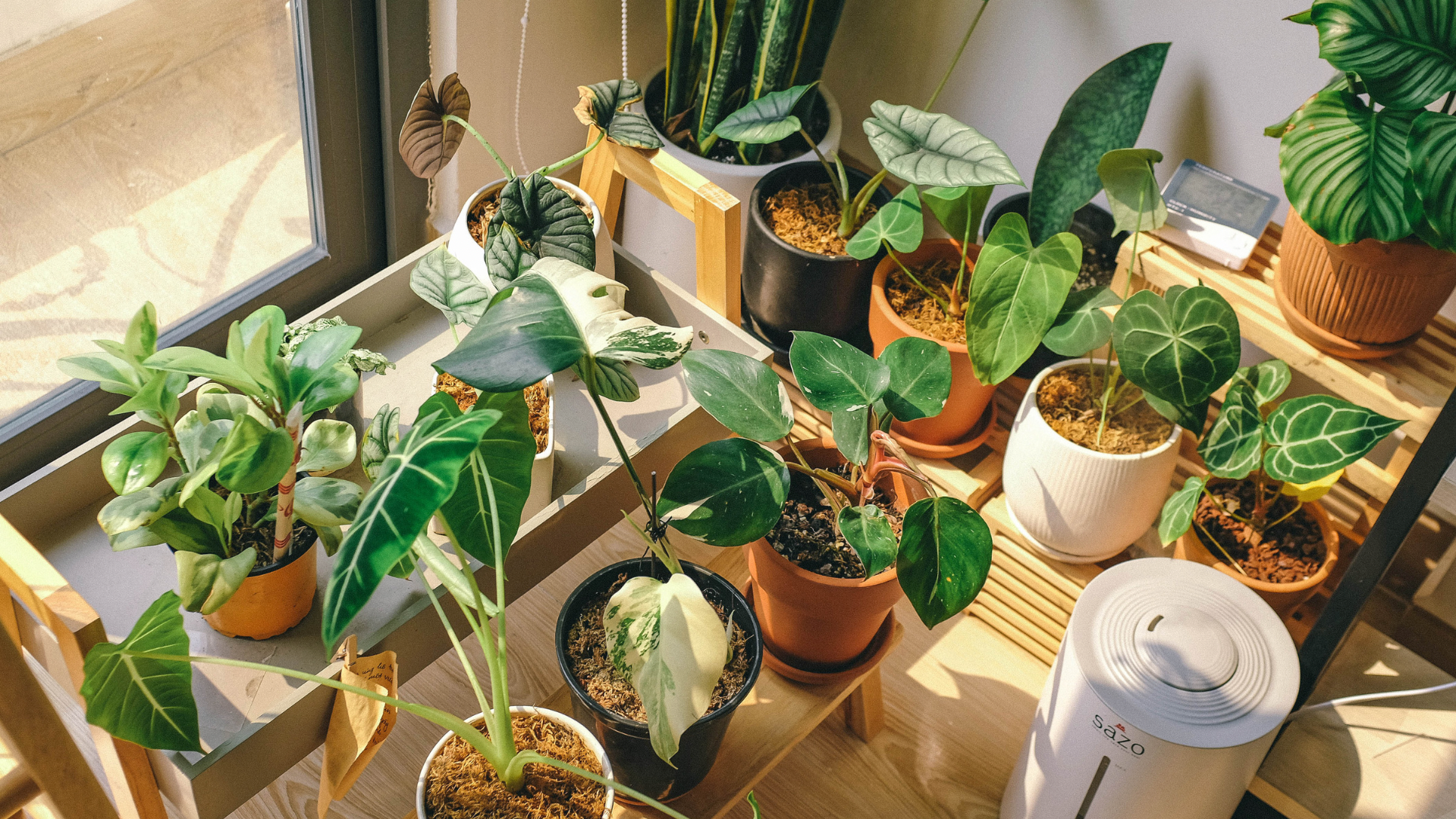
The transition into winter is about more than simply finding an empty corner for your plants. Heating systems can create dry air, windows can become cold at night, and plants placed too close to radiators, vents, or drafty doors may experience unnecessary stress. Grouping compatible plants together can sometimes help create a slightly more humid environment, while a humidifier can be useful when indoor air becomes particularly dry.
Winter growth may also be slower, which means plants generally need less water and often less fertilizer than they do during their active growing season. Good indoor plant care for winter is largely about responding to changing conditions rather than following a rigid calendar. Watch the plants, adjust when necessary, and remember that a little slower growth is not necessarily a problem.
Planning with the Whole Season in Mind
Choosing indoor plants is easier when you consider the room, the plant, and the season together. Look for plants that suit your available light and the amount of care you realistically want to provide, whether that means a nearly indestructible foliage plant or something more demanding that gives you an excuse to fuss over leaves.
At the same time, give yourself permission to experiment. One plant may thrive on your brightest windowsill while another discovers that your home is apparently not its ideal habitat—but that is part of gardening. The goal is not to create a perfect indoor oasis overnight but to find plants that fit naturally into the way you live.
Keep Growing Through the Seasonal Shift
The end of the outdoor growing season does not have to mean the end of gardening. As the garden winds down outdoors, choosing the best houseplants for fall is a simple way to carry that love of growing into your indoor spaces. The best houseplants for fall can bring the joy of gardening into the quieter months, whether you choose a dramatic tropical, a resilient foliage plant, or a cactus on a sunny windowsill. Visit Primex Garden Center in Glenside, PA, to find the most thoughtful indoor plants for you and your home!