The Perfect Indoor Plant: The Pink Princess Philodendron
June 26, 2023
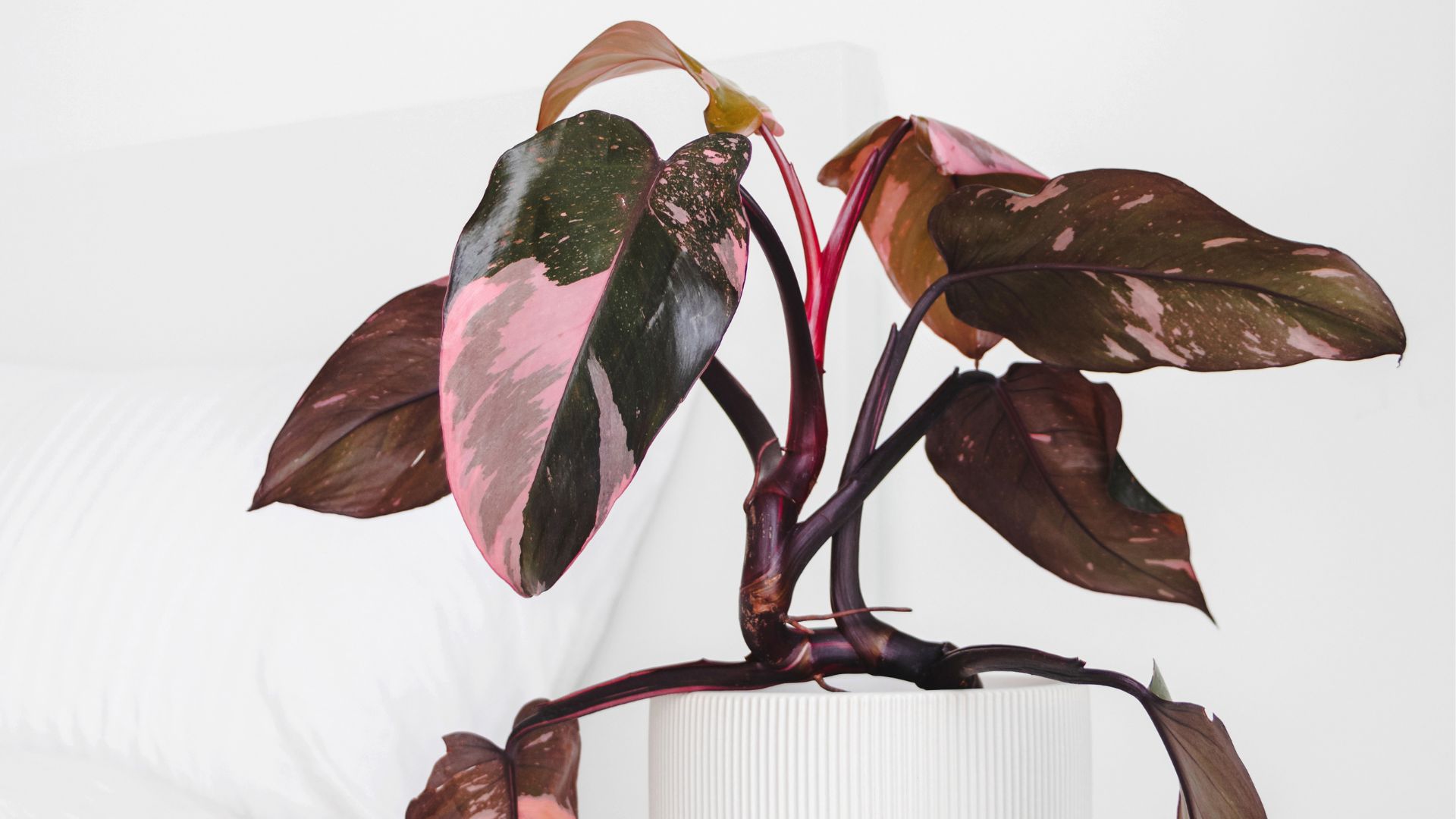
With their rare, hot pink leaves, it’s easy to understand why the Pink Princess is one of the most sought-after houseplants!
Philodendrons are some of the most sought-after indoor plants around. With a laid-back, trailing habit, they’re like the cool surfers of the plant world, combined with the lush feel of an old-growth forest. Now, imagine if you could capture all those immaculate vibes in a gorgeous pink hue. The Pink Princess philodendron is just that: they’re everything you love about philodendrons bundled into a pretty pink package. Here’s more on their story, along with some expert tips on successfully propagating and caring for them!
What Are Pink Princess Philodendrons?
Originating in the tropical rainforests of Columbia, Pink Princess philodendrons have naturally black and pink variegated leaves. While they do produce a flower spadix, it’s not as eye-catching as the leaves themselves, which are this plant’s main attraction. It’s rare for a Pink Princess to flower indoors, but their vibrant leaves offer color year-round so long as they have the right conditions.
How Much Light Does the Pink Princess Philodendron Need?
The key to keeping the Pink Princess philodendron’s leaves pink is to ensure they receive enough sunlight. Aim to give your plant about 6-8 hours of bright, indirect light daily. When indoors, the Pink Princess can also tolerate a couple of hours of direct sunlight. If your plant’s leaves start to turn green, it’s a sign that it needs more sunshine, so move it closer to the window or to a spot that regularly receives more hours of bright, indirect light.
Watering Needs for Pink Princess Philodendrons
Like green philodendrons, the Pink Princess is fairly relaxed when it comes to its watering needs. For the best results, we recommend waiting until the soil dries out halfway through before giving your plant a refreshing soak. Take care to never let them sit in standing water, as that’s a recipe for root rot. If you’re ever in doubt, err on the side of underwatering, as these houseplants much prefer being too dry over being too wet.
Ideal Humidity and Temperature Levels for Pink Princesses
A warm, humid climate is ideal for these houseplants. That being said, however, these princesses’ are also quite hardy and can tolerate normal household conditions. Just remember to keep their ambient temperature above 60 degrees, and they’ll be happy. As with other tropical houseplants, you should also monitor your Pink Princesses for signs of dryness during the winter and adjust as needed.

How Can I Propagate the Pink Princess Philodendron?
Like all philodendrons, you can easily propagate the Pink Princess using stem cuttings. Whether you want to expand your pink philodendron collection or give one to a friend, here’s how to do it:
- Prune off a piece of the plant with at least 2-3 leaves and 2-3 nodes along the base of the stem.
- Let the cut wound callous over for 12-24 hours before placing it in water. Make sure the bottom three nodes on the stem are submerged.
- Arrange your cutting in a location with bright-indirect light.
- Over the next 2-3 weeks, roots should begin to sprout from the underwater nodes. When the roots are an inch long, transfer the cutting to a pot of well-draining soil. Once it’s in its new pot, the propagation process is complete, and you have yourself a new plant!
General Pruning Guidelines for the Pink Princess Philodendron
Without any pruning, your Pink Princess will grow into a beautiful vining shape that you can arrange as you see fit or let hang freely from your shelf. However, you can also sculpt your philodendron into a lovely bushy shape with regular pruning. They usually don’t need pruning more than once per year, ideally in spring before new growth begins.

Troubleshooting for Pink Princess Philodendron Care
Here are a few common issues you may encounter while caring for your Pink Princess philodendron and how to fix them:
Why is My Pink Philodendron Turning Green?
If your Pink Princess starts to go green, it usually means it’s not getting enough light. If they don’t get enough sunlight, your plant’s leaves will turn green to help them absorb more energy. Thankfully, this issue has an easy fix: simply provide your Pink Princess with brighter indirect light or move it to a location that receives more hours of daily sunlight.
Why Are There Brown Spots on the Leaves?
Brown spots on the Pink Princess are signs of too much light and often occur when they’re being scorched by direct sunlight. If you notice these spots, pull your lady away from the window, install a sheer curtain, or find another location with milder light.
Why Are There Brown Tips on the Leaves?
When we lack humidity, our lips and skin get cracked. For houseplants, dry humidity creates brown edges on leaves. Once it happens, you can’t reverse the damage, but adding humidity does prevent further browning. Be sure to keep an especially close eye out for these brown tips during the drier winter months.
With their rare, hot pink leaves, it’s easy to understand why the Pink Princess is one of the most sought-after houseplants. Even though they look royal, these houseplants don’t require a whole lot of extra attention or expertise. Like their philodendron cousins, they’re laid-back and provide effortless beauty to every room in your home!
For more advice on Pink Princess philodendron care and to see our full selection, come visit our garden center in Glenside, PA!