What Your Lawn Needs in the Middle of Summer
June 29, 2026
By the time midsummer arrives, many lawns start looking a little less enthusiastic than they did in spring. The lush green growth of May and June naturally slows down as temperatures climb and rainfall becomes less predictable. Fortunately, a few simple lawn care adjustments can help your grass stay healthier, greener, and more resilient through the hottest weeks of the season.
Why Your Lawn Slows Down in Summer
If your lawn seems less vibrant in July and August, don’t worry—it isn’t giving up. Cool-season grasses commonly grown throughout Pennsylvania naturally slow their growth during periods of heat and drought stress. Instead of focusing on producing lots of new blades, the grass shifts its energy toward survival.
This slower growth is completely normal. Understanding that natural cycle helps homeowners avoid making lawn care decisions that can unintentionally create additional stress.
Raise the Mowing Height
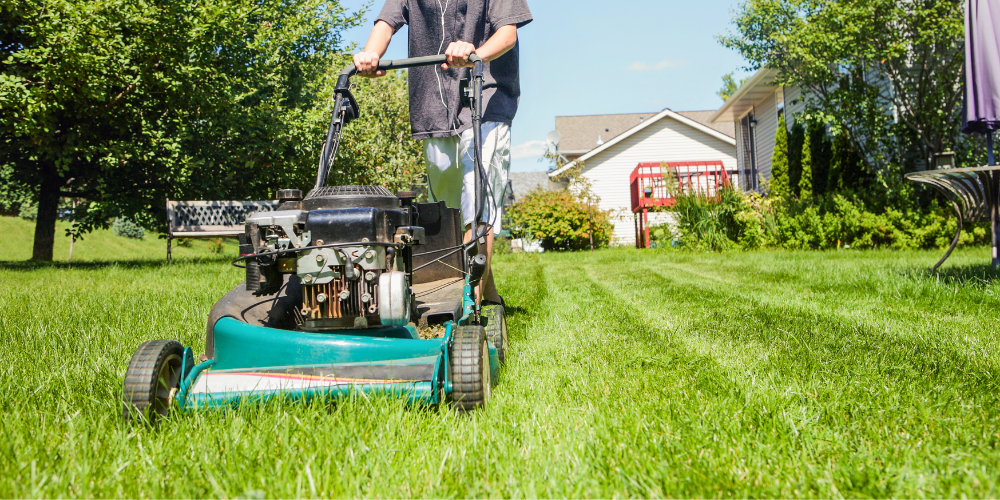
One of the simplest ways to improve your lawn’s summer health is by raising your mowing height. A very short lawn may work in May and June, but by summer, it’s very hard to maintain that without a lot of watering. Taller grass provides natural protection against heat and moisture loss, and it’s a good practice both in summer and throughout the year.
Longer blades create more shade over the soil surface. This helps keep roots cooler and slows evaporation. As a bonus, taller grass can also make it harder for weed seeds to germinate.
- For most lawns, aim for a mowing height between 3 and 4 inches.
Remember the one-third rule when mowing. Never remove more than one-third of the grass blade at a time, as cutting too much can shock the grass and weaken it during periods of heat.
Mow When Conditions Are Best
Timing matters just as much as mowing height. Cutting grass during the hottest part of the day places unnecessary stress on already stressed lawns. It can also leave freshly cut blades vulnerable to moisture loss.
Whenever possible, mow during:
- Early morning
- Late afternoon
- Early evening
Avoid mowing when grass is drought-stressed and turning brown. During severe dry spells, allowing the lawn to rest can be one of the kindest things you do for it. Don’t get stuck in a routine: flexibility and responding to current conditions are key to easy summer lawn maintenance.
Sharpen Your Blade
If you’re wondering how to keep grass green in summer, a sharp mower blade also gives you the upper hand. Dull blades tear grass instead of cutting it cleanly, leaving ragged edges that lose moisture more quickly and may become more susceptible to disease. If you notice brown tips on your grass after mowing, it’s a sign of a dull blade.
Water Deeply and Consistently
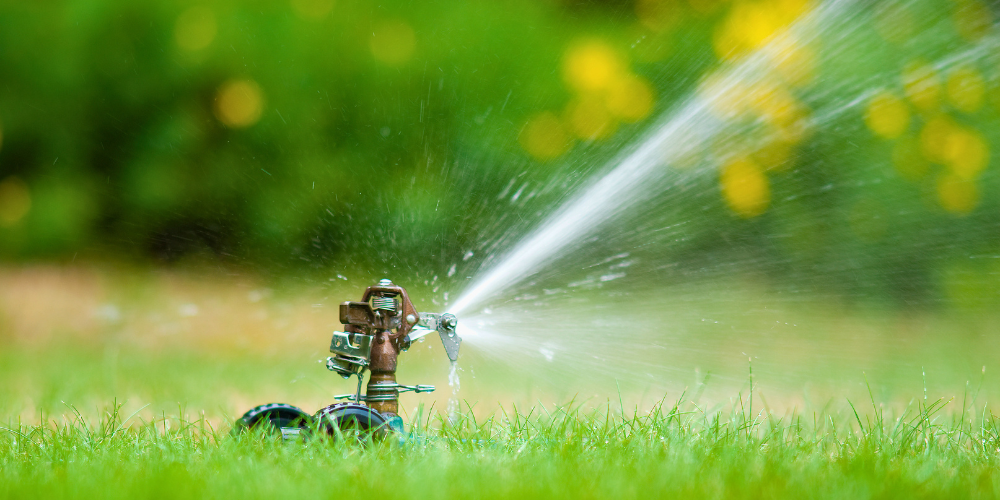
Summer lawn watering is often misunderstood. Many people give their lawns a quick sprinkle every day, but shallow watering encourages shallow roots. Deep roots are what help grass survive hot weather.
Most established lawns benefit from about one inch of water per week, including rainfall. Watering deeply and less frequently encourages roots to grow downward in search of moisture. If you need to water your lawn every day, your grass is likely too short. Taller grass promotes deeper roots, which reduce the need for frequent watering.
Some signs your lawn may need water include:
- Footprints remaining visible after walking across the grass
- Grass blades folding or curling
- A dull blue-gray appearance
The best time to water is early morning. Watering then allows moisture to soak into the soil before temperatures rise while reducing disease problems that can develop when grass stays wet overnight.
As temperatures climb and rainfall becomes less predictable, a few simple summer lawn care adjustments can help your grass stay healthier, retain its color, and better withstand the stress of mid-season heat.
Leave Grass Clippings Behind
For years, many homeowners bagged every clipping. Today, lawn experts recognize that grass clippings can actually benefit the lawn when left in place.
Mulched clippings break down quickly and return nutrients to the soil. They also help conserve moisture and reduce the need for supplemental fertilizer.
Contrary to popular belief, properly managed clippings do not cause thatch buildup. Thatch develops from slowly decomposing stems and roots, not from fresh grass blades. If the clippings are short and evenly distributed, simply let them stay where they fall. Your lawn will quietly recycle them into future growth.
Hold Off on Heavy Fertilizing
When lawns begin looking tired, it can be tempting to reach for fertilizer. However, midsummer is usually not the best time for heavy feeding, especially for cool-season grasses common in Pennsylvania.
Fertilizer encourages growth. During periods of heat stress, forcing extra growth can require energy that the grass would rather use for survival.
Instead of applying fertilizer in summer:
- Focus on proper watering
- Raising grass height
- Mowing in cool times of day
Keep an Eye Out for Summer Lawn Problems
Hot, humid weather can sometimes invite pests and diseases. The good news is that healthy lawns are often better equipped to withstand minor problems.
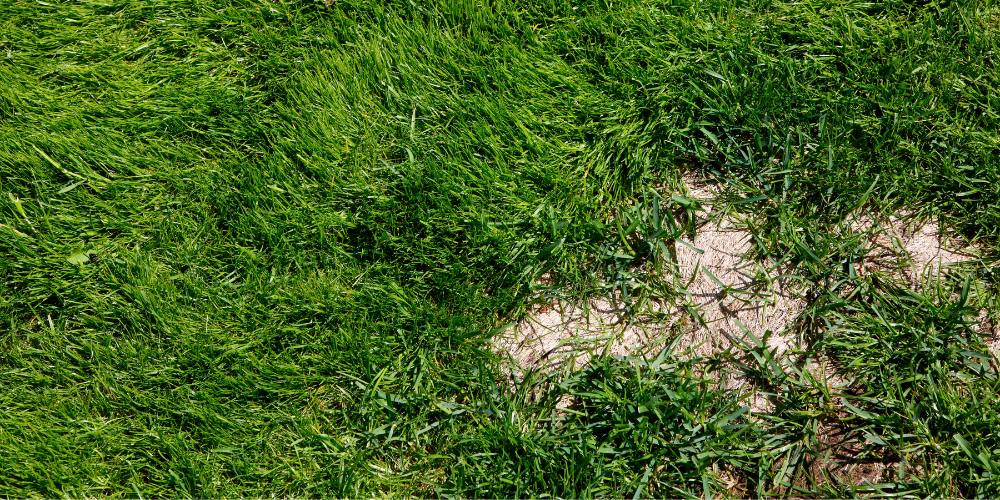
Watch for signs such as:
- Brown patches that continue expanding
- Areas that lift easily from the soil
- Excessive insect activity
- Circular disease patterns
Before treating any problem, identify the cause. Brown grass does not always mean insects, and insects do not always require treatment. Sometimes a lawn simply needs water, patience, and cooler temperatures. A little investigation often prevents unnecessary treatments.
Reduce Traffic During Heat Waves
Lawns experience stress from more than just weather. Foot traffic, play equipment, and repeated activity can compact soil and damage grass that is already struggling with summer conditions.
During extended hot spells, try to rotate activities around the yard. Giving heavily used sections occasional breaks allows grass time to recover. This doesn’t mean canceling backyard fun. It simply means spreading the fun around a little more evenly.
Accept the Summer Doldrums: Skip a Week
One of the most helpful lawn care skills is learning when to do less. Grass may naturally enter a dormant state during periods of prolonged heat and drought. Dormant grass often turns tan or light brown but remains alive. Once cooler temperatures and rainfall return, it typically greens up again.
Instead of staying fixed on a tight weekly routine, skip a week of mowing. Your lawn will thank you for the extra time to grow and you can enjoy the break too. Remember that taller grass allows your lawn to recover and stay strong through heat, sun, and drought.
Rethinking the Perfect Lawn
Many homeowners are discovering that a lawn does not have to be wall-to-wall grass to be beautiful. Many easy-maintenance lawn alternatives exist. Adding native plants, wildflowers, and meadow areas can reduce maintenance while supporting local wildlife.
Pennsylvania’s native pollinators, including bees, butterflies, and beneficial insects, rely on flowering plants for food and habitat. Even a small patch of wildflowers can make a meaningful difference.
Some excellent native Pennsylvania wildflowers include:
- Butterfly weed
- Black-eyed Susan
- Purple coneflower
- Wild bergamot
- New England aster
- Lanceleaf coreopsis
You don’t need to replace your entire lawn to enjoy these benefits. Many homeowners start by converting a difficult corner, a sunny border, or an area that struggles during summer drought.
 Creating a Mini Meadow
 Creating a Mini Meadow
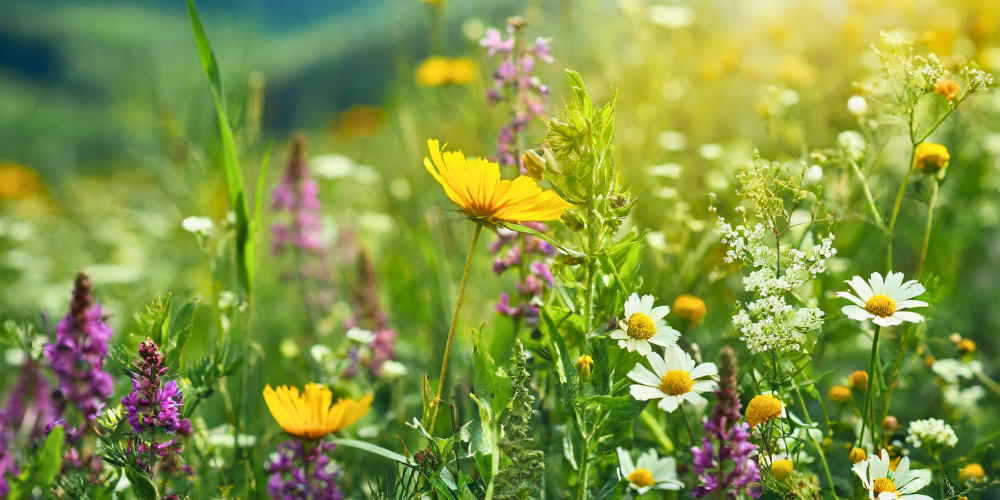
A meadow planting can be a beautiful, ecologically regenerative addition to a landscape. Unlike traditional lawns, established meadows typically require less mowing, less watering, and fewer inputs over time.
Choose a sunny area and remove existing turf before sowing a native seed mix. During the first year, the planting may look modest while roots develop underground. By the second and third years, the display often becomes far more impressive.
Imagine watching butterflies drift through flowers while neighboring lawns wait for their next mowing. A meadow brings movement, color, and seasonal interest that changes throughout the year. As temperatures climb and rainfall becomes less predictable, a few simple summer lawn care adjustments can help your grass stay healthier.
Best of all, a meadow doesn’t have to replace your lawn—it can complement it. Many homeowners find that combining healthy lawn areas with native plantings creates a landscape that is both practical and beautiful. Late fall is the best time of year to do a meadow conversion, as there is less competition from weeds and native wildflower seeds need the winter to activate.
Enjoying the Summer Season
Midsummer lawn care is less about chasing perfection and more about supporting your lawn through a challenging season. By mowing a little higher, watering wisely, reducing stress, and accepting natural slowdowns, you help your grass remain healthier until cooler weather returns. And if you’re ready to think beyond traditional turf, adding Pennsylvania wildflowers or creating a small meadow can bring new life to your landscape. Sometimes the best summer lawn isn’t the one that grows the fastest—it’s the one that works in harmony with the season. For all of your summer lawn care and wildflower questions in Glenside, PA, come visit us at Primex Garden Center!