How to Refresh Tired Indoor Plants
April 13, 2026
If you’ve been wondering how to revive your indoor plants, you’re not alone—late winter and early spring can leave your leafy companions looking a little worn out. Dry indoor air, short days, and inconsistent watering habits tend to catch up with plants around this time. The good news is that a few thoughtful adjustments can make a big difference. With a little attention and a fresh start, your plants can bounce back beautifully as brighter days return.
Observe First, Act Second!
Before reaching for fertilizer or pruning shears, take a moment to really look at your plants. Notice leaf color, soil moisture, and how the plant is growing overall. Observation is the first and most important step in plant care. Think of it as listening before you speak—your plant is already telling you what it needs.
Check for common signs of stress like drooping leaves, browning tips, or compacted soil. Ask yourself simple questions, like: “Why are my houseplants dying?” “Why are they struggling?” Often, the answer lies in small environmental factors rather than big mistakes. This step helps you respond thoughtfully instead of guessing.
New Soil for a New Start
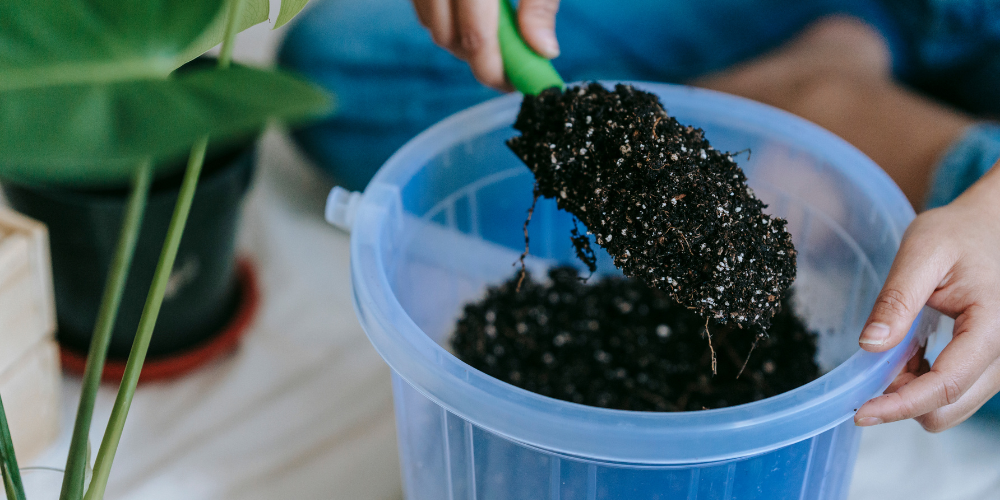
After months of watering, indoor plant potting mix can become compacted and depleted. Roots need oxygen just as much as they need water, and tired soil can suffocate them over time. Gently loosening the top layer or replacing some of the old material can make a noticeable difference.
Over time, all houseplants deplete their growing medium and need new soil to continue to grow. Sluggish plant growth and gray, worn-out soil are two signs of depletion. Fresh soil brings new nutrients and better drainage, giving your plant a clean slate for the growing season. This is one of the simplest ways to support recovery without overcomplicating things. If you’re figuring out how to revive indoor plants after winter, it helps to think of it the same way you prepare garden soil in the fall, by refreshing what’s underneath so everything above can thrive again.
Prune for Growth and Good Looks
Pruning is one of the best tasks for reviving a tired plant. Removing dead or yellowing leaves allows the plant to redirect energy into healthy growth. It also instantly improves the plant’s appearance, which is always a bonus. A clean pair of scissors and a little confidence go a long way here.
If you’re wondering how to fix yellow leaves on indoor plants, pruning is often part of the solution. Focus on trimming leaves that are fully yellow, brown, or damaged beyond repair. Be sure not to remove more than about one-third of the plant at a time. Remember though, a few dead leaves are a natural part of plant growth!
A Bigger Pot for Bigger Plants
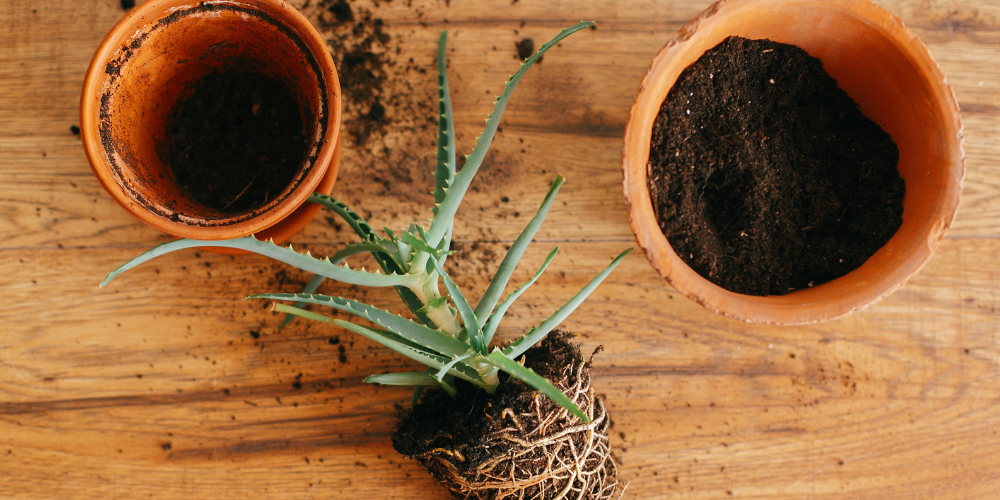
If you’re changing soil, repotting is another key task to consider, and spring is the best time to do it. As they begin active growth, they can recover quickly from the move.
- Why repot: Fresh soil restores nutrients, and a bigger pot gives roots space to expand.
- When to repot: You’ll know it’s time when roots circle the pot, poke out of drainage holes, or when soil dries out unusually fast.
- How to repot: Gently remove the plant, loosen the root ball, trim any dead roots, and place it into a slightly larger pot with fresh potting mix.
If you skip repotting for too long, plants can become root-bound, meaning the roots crowd out soil and limit water and nutrient uptake. This often leads to slower growth, yellowing leaves, or a generally tired appearance. If repotting isn’t ideal right now, you can try alternatives like trimming back some roots and refreshing the top few inches of soil, or lightly pruning foliage to reduce stress on the root system. These options can buy you time while still giving your plant a gentle boost.
Give Leaves a Good Dust
Dust may not seem like a big deal, but it can block sunlight from reaching your plant’s leaves. Over time, this reduces photosynthesis and slows growth. A simple wipe with a damp cloth can instantly brighten both your plant and your space. It’s one of those small tasks that feels surprisingly satisfying.
For plants with lots of small leaves, a quick rinse in the sink or shower works wonders. Just be sure to let excess water drain properly afterward. Clean leaves are better able to absorb light and function efficiently. Plus, they look shiny and refreshed—like they’ve just had a spa day. If you’ve been wondering how to revive indoor plants after a long winter, the same gentle cleanup, light adjustments, and patience you use outdoors can make a noticeable difference inside your home too.
New Watering for a New Season
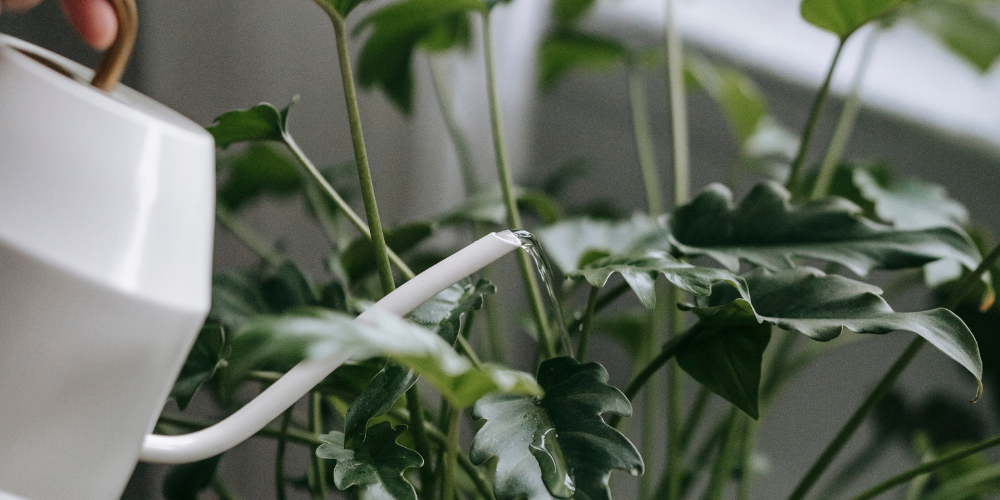
Winter watering habits don’t always translate well into spring. As light increases and plants begin to grow again, they usually need more water. It’s helpful to check soil moisture regularly as you determine a new watering schedule:
- Stick your finger about an inch into the soil to gauge moisture levels. If it feels dry, it’s time to water; if not, give it a little more time.
- Consistent but flexible watering is key to healthy roots. This simple habit can prevent many common plant problems before they start.
Lighting Changes for Longer Days
As the days get longer, the light exposure reaching your plants will change. This may require you to adjust your houseplants’ locations—moving light-sensitive plants away from the window, and shifting plants to a better spot for the long days of spring and summer.
Pro Tip: Refresh your memory of each plant’s light preferences and adjust as needed.
Also pay attention to leaf color and watch for any scorching of sensitive, low-light plants. Rotating plants every week or so can also encourage even growth. This small adjustment helps your plants grow fuller and more balanced over time.
Fertilize with Intention
Fertilizing can give your plants a helpful boost, but timing matters. After a period of dormancy or slow growth, plants are just starting to wake up. A diluted, balanced fertilizer applied every few weeks can support this transition. Less is often more when it comes to feeding.
Avoid fertilizing plants that are severely stressed or recently repotted. Give them time to settle in before adding extra nutrients. Healthy plants respond best to gentle, consistent feeding rather than sudden bursts. Think of fertilizer as a supportive nudge, not a quick fix.
Bring Moisture to Parched Winter Air
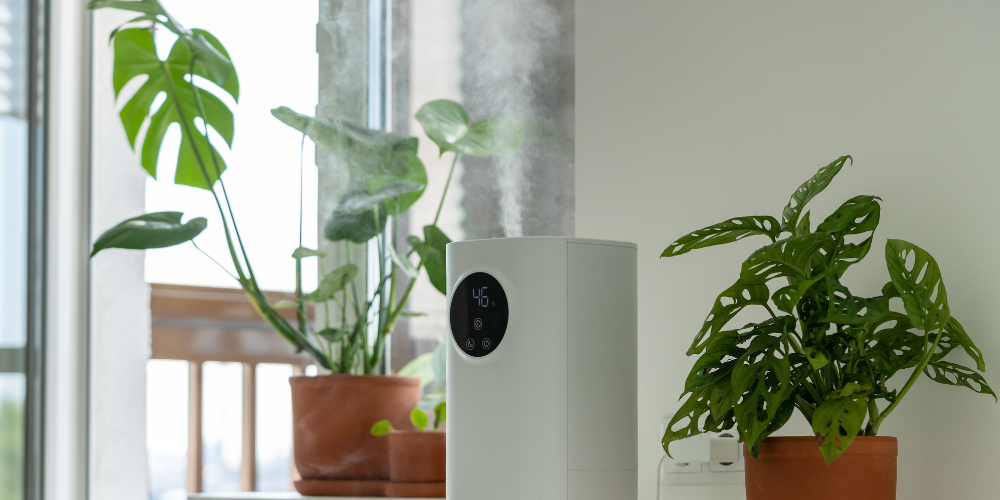
Indoor air tends to be quite dry, especially after months of heating. Many houseplants, particularly tropical ones, appreciate a little extra humidity. Browning leaf edges are often a sign that the air is too dry. Fortunately, there are easy ways to help.
Grouping plants together creates a small pocket of humidity. You can also use a pebble tray with water or run a small humidifier nearby. Even occasional misting can offer a short-term boost. These simple changes can make your plants feel much more at home.
Prevent Pests with Routine Checks
Pests can take advantage of stressed plants, so it’s worth checking regularly. Look under leaves and along stems for tiny insects or unusual spots. Catching issues early makes them much easier to manage. A quick inspection every week or so is usually enough.
If you do spot pests, start with gentle solutions like wiping leaves or rinsing the plant. Insecticidal soap can be helpful for more persistent problems. Healthy plants are naturally more resistant, so your overall care routine plays a big role here. Prevention is always easier than treatment.
A Plant Routine that Works for You
The seasonal shifts in Glenside, PA, are an invitation to re-establish a healthy indoor plant care routine. Instead of thinking of it as a chore, build it into your week as a zen moment to connect with plants and refresh yourself. Remember—success comes from regular small actions that add up over time. Consistency is one of the most powerful tools in houseplant care.
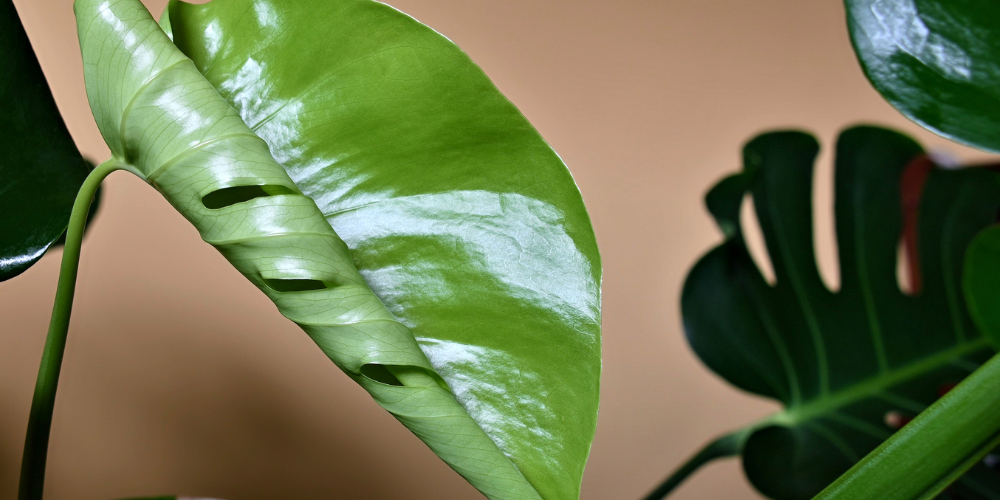
Celebrate New Growth: Signs You’re on Track
One of the most rewarding parts of refreshing your plants is spotting new growth. Tiny leaves, fresh shoots, and brighter color are all signs that your efforts are working. These changes may start small, but they build quickly. It’s a reminder that plants are resilient and responsive.
Take a moment to enjoy these signs of progress. Maybe even snap a photo to track how far your plant has come. This positive feedback loop makes plant care more enjoyable and motivating. It turns everyday maintenance into something meaningful.
Springtime for Your Houseplants
As spring unfolds, your indoor plants are ready to grow again—and now you are too. With a few thoughtful adjustments, you can transform tired, winter-worn plants into vibrant, thriving greenery. From fresh soil to better light and gentle pruning, each step plays a role in renewal—and the team at Primex Garden Center is here to help you every step of the way. Once you understand how to revive indoor plants, it becomes less of a mystery and part of a joyful routine.