What Your Lawn Actually Needs Coming Out of Winter
March 9, 2026
Early spring is one of the most glorious times of year, and as the first blades of grass emerge, we’re left wondering—what is the best spring lawn care? Contrary to popular belief, it’s best not to rush ahead with intensive lawn cleanups right away. Your lawn will be happier if you take a thoughtful and patient approach coming out of winter.
Step 1: Wait and Enjoy the New Growth
The first awakening of spring is not the time to fire up an aerator, dethatcher, mower, or other heavy machinery. The lawn is still too soft and insects are still dormant in the leaf litter. The main thing to do at this time is simply to enjoy the wonder of early growth as tender green blades push gently through the thatch.
If you ever thought lawns were boring, think to yourself—this grass I’m seeing right now has never existed before. These blades of grass are completely new.
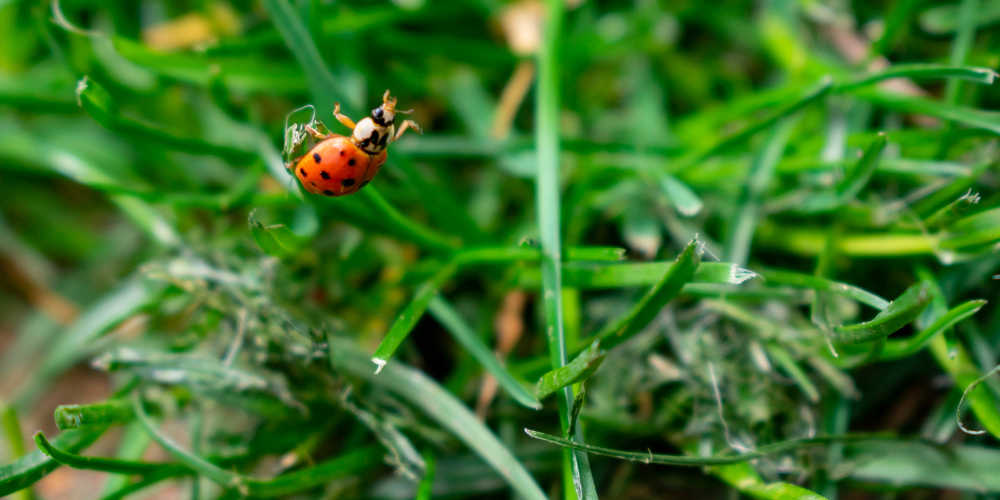
Step 2: Watch for Ladybugs Before You Rake or Mow
Ladybugs are essential to a healthy garden and one of the most important reasons to be patient with your spring lawn cleanup.
It’s common to see homeowners raking up every last leaf in the fall and again at the first sign of spring. Unfortunately, this practice removes one of nature’s most effective forms of pest control—ladybugs. By summer, those same homeowners may experience aphid outbreaks that could have been naturally minimized.
Raking too soon can also remove solitary bees, butterflies, beetles, and lacewings, who all overwinter in leaf mulch. The best way to keep these friendly companions is to wait until you see them flying about. Then you know it’s safe to rake your lawn. Don’t forget to keep the leaves for your compost or garden mulch.
Step 3: The First Mow of the Season
Wait until the grass is a healthy height before your first mow. You don’t need to rush it just because it looks a little disheveled. What looks like debris is actually a sign of a healthy ecosystem. Fallen twigs, leaves, and berries provide nutrients for your lawn, food for birds, and overwintering spots for insects.
Let your ‘messy’ lawn wait a while in spring, and aim to mow once the grass growth is consistent and truly needs it. Keep the height on your first mow longer than usual—at least 2–3 inches—to protect young grass.
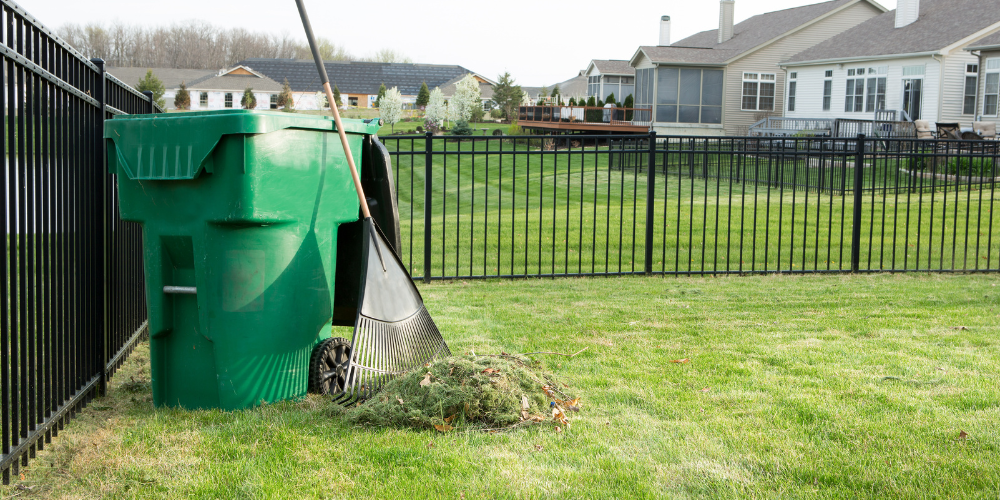
Common Question: Do I Need to Dethatch?
Thatch is the layer of old, dead grass that covers the soil in your lawn. It’s essential for protecting your soil, retaining moisture, and preventing weeds from germinating. If you dethatch too often, you’ll only give yourself more weeds and a higher watering bill.
In general, your thatch should be one-half to one inch deep. To keep it at this level, you only need to dethatch once every two to three years. Look at your grass and see for yourself: if any areas are being choked by too much thatch, then it’s time for removal. If your lawn looks visibly good, then let your thatch be.
Common Question: Do I Need to Aerate?
Aeration is a way to reduce lawn compaction by removing small plugs of soil. Like dethatching, it doesn’t need to happen every year. Your lawn needs it only if it has become too compacted, either from foot traffic, machinery, weather conditions, or poor or excessive lawn care. Dry patches, thinning grass, and slow growth may be signs that aeration is necessary.
If your grass looks healthy and the ground feels supple, then save your aeration for another year.
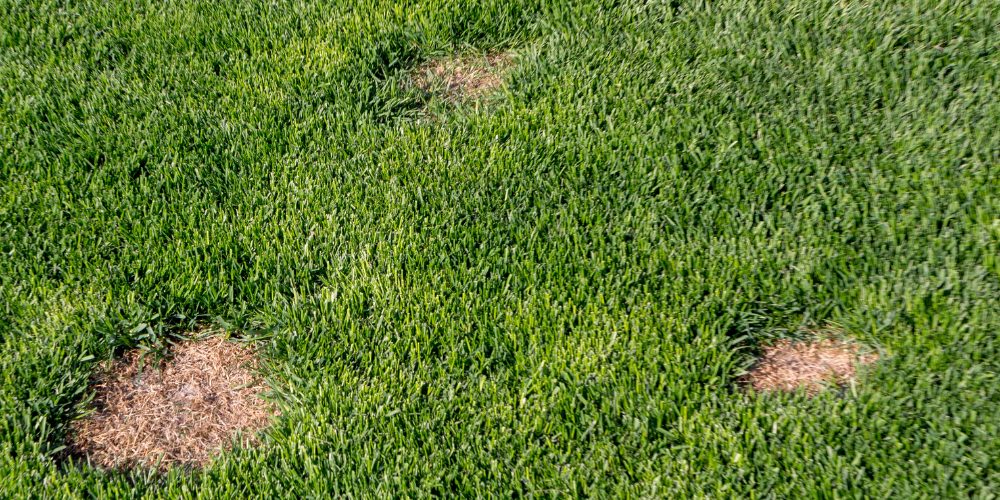
Early Spring Troubleshooting: Problems & Solutions
Repairing Pet Damage
The end of winter can reveal dead spots from dog urine. These areas have been burned by excessive nitrogen and urine salts. They will regrow in time, but you can speed the process by flushing them with water. Don’t be shy—several minutes with the hose can wash away excess nitrogen in those areas.
Fixing Spot Repairs
Sometimes you’ll find other damage in your lawn as well. Wait until temperatures are warm enough to encourage consistent growth. Then, lightly loosen the soil, reseed, and keep the area consistently moist. Most thin spots fill in naturally once the soil warms.
What to Do About Snow Mold?
You may notice matted patches caused by snow mold or grass pressed flat under snow. It looks alarming, but it’s usually superficial and clears with warmth and airflow. Thin turf in early spring is more common than a perfectly green lawn. During freeze-thaw cycles, grass simply stops growing and magically resumes again when conditions are favorable.
How to Fix Patchy Lawns in Spring
Most lawns bounce back naturally as temperatures rise, requiring only basic seasonal care. However, large dead patches that don’t respond by late spring may indicate deeper issues. Persistent bare patches could be a sign of an underlying fungal issue or compaction. Drainage issues, especially standing water after rain, can signal underlying soil or grading concerns.
Knowing When to Ask for Help
Bringing photos or a sample of problem areas to a local garden center can save time and frustration. A quick conversation may clarify whether you’re seeing normal recovery or something more complex.
Long-time homeowners often recognize seasonal patterns, while new homeowners may feel uncertain. Getting guidance early prevents costly guesswork and unnecessary treatments.
Summary of Early Spring Lawn Care: 6–8 Week Timeline
- Watch the beauty of new grass unfold.
- Growth starts and stops with freezing and melting temperatures.
- Leave your leaves and grass alone as ladybugs, bees, and early insects emerge.
- Refrain from walking or mowing while soil is still moist.
- Dry lawn, ladybugs flying, and consistent growth? Time for raking.
- Consistent growth, good grass height? Time for the first mow. Keep it longer than usual.
- Consider the need for aeration or dethatching.
- Repair any lawn damage that does not recover with natural growth.
- Continue with regular lawn care and maintenance.
New Techniques to Try This Year: Keep Your Grass Longer
With the weather becoming more unpredictable, you can build resilience into your lawn by keeping it at a longer height. This can prevent weeds, allow grass to grow deeper roots, and reduce the need for watering. In contrast, a shorter lawn always dries out faster and requires more watering. The longer you keep your grass, the less watering it requires and the more resilient it will be against excessive rain, heat, or drought.
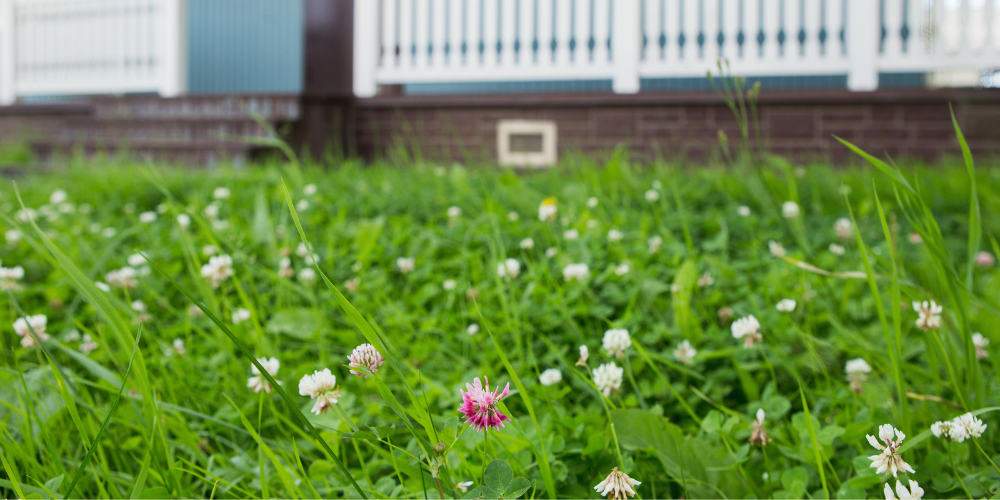
Rethink Your Lawn with Clover and Wildflowers
From an ecological perspective, monoculture lawns are unstable ecosystems that require constant maintenance to keep them pure and do not offer any sustenance to bees, birds, butterflies, or wildlife. To diversify your lawn, consider adding clover, wildflowers, or pollinator strips.
- Clover: Introduce low-growing clover to naturally fix nitrogen and improve soil health while adding softness underfoot. This mix brings flowers to pollinators and resilience to your lawn without dramatically changing the look of your yard.
- Wildflowers and Pollinator Strips: Small pollinator strips along edges, native flowering patches, or creeping groundcovers in low-traffic zones can add biodiversity and reduce maintenance. Even widening garden borders or planting shade-tolerant species under trees helps balance your landscape. A diversified lawn is stronger, more adaptable, and far more interesting than a single-species carpet.
Early spring lawn care is more about patience than using heavy equipment. The important part is to appreciate the wonder of regrowth as you ease into your maintenance routine. For more spring lawn care tips in Glenside, PA, come visit us at Primex Garden Center!