The Winter-Worn Garden: Spotting, Assessing and Reversing Damage
February 16, 2026
The best strategy is observation first, action second, and prevention third.
Winter damage to plants can make even the most confident gardener stare out the window in February and whisper, “Well… that doesn’t look good.” The good news is that many plants look worse than they actually are, and patience is often the best gardening tool.
Winter throws a lot at evergreens, shrubs, trees, and perennials—drying winds, heavy snow, road salt, hungry critters, and wild temperature swings. This guide will help you figure out what you’re seeing, what to do next, and when it’s okay to do nothing except wait for spring.
Salt Burn (Road Salt and De-Icer Injury)
Salt damage is common in plants near driveways, sidewalks, and roads. It often shows up as yellowing or browning needles on evergreens or scorched leaf edges on deciduous plants. In severe cases, buds fail, growth is stunted, or entire branches die back.
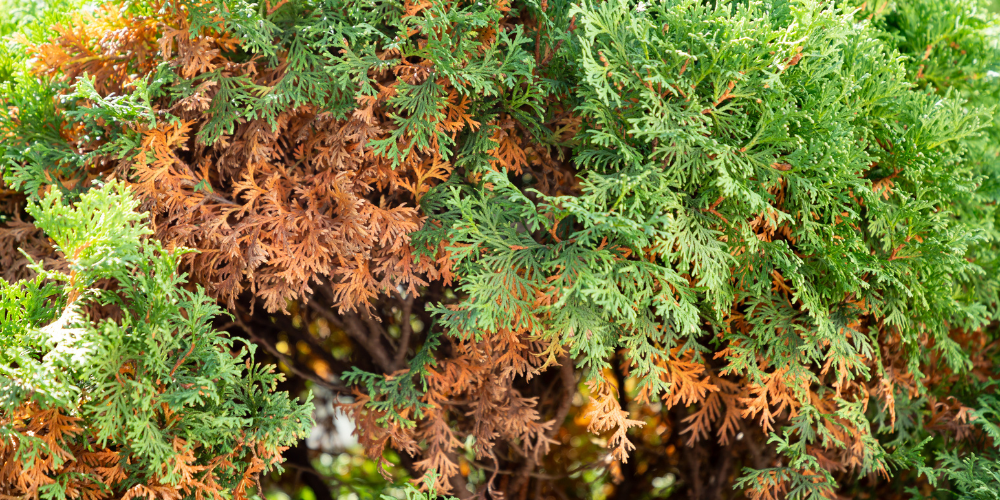
Salt can damage plants two ways. Airborne salt spray burns foliage directly, while salt runoff can accumulate in soil and damage roots by drying them out. Too much salt in the soil prevents plants from retaining the water they need. That’s why desiccation and salt damage often look similar.
What to Do Next
- Find evidence of salt damage to ensure you’re treating the right problem.
- Flush soil thoroughly with water in spring to wash salt deeper into soil.
- Prune dead branches once new growth starts.
- Replace sodium chloride with safer alternatives when possible.
When to Wait
If only tips or outer foliage are affected, wait until mid-spring before pruning. Some buds and inner growth may still be alive.
Prevention for Next Year
- Install burlap barriers.
- Use sand or low-salt alternatives.
- Avoid piling salty snow onto plant beds.
Freeze–Thaw Cracks (Frost Cracks and Sunscald)
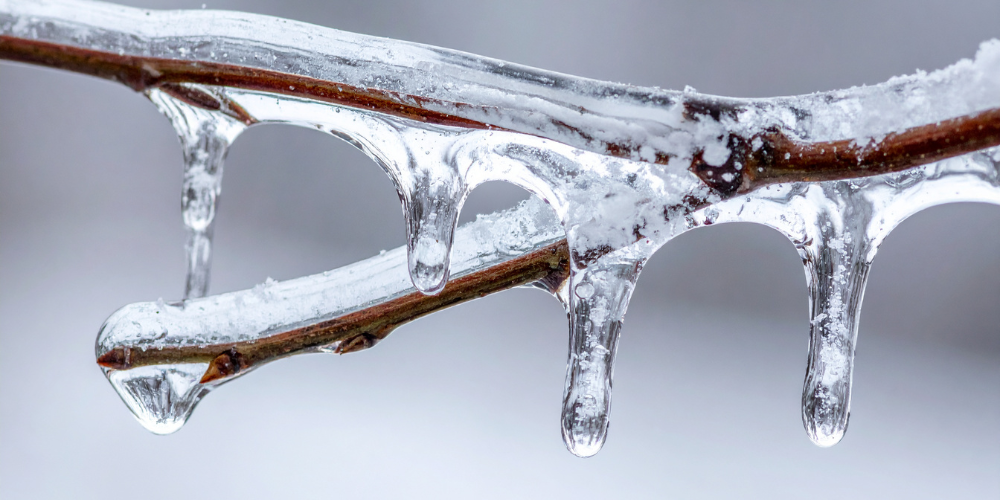
Pennsylvania winters often bounce between warm sunny days and freezing nights, which is perfect weather for bark cracking. These cracks usually appear as vertical splits on the south or southwest side of tree trunks. Younger trees with thinner bark are most vulnerable.
Sunscald may show as discolored, sunken, or rough bark patches. It can look alarming, but trees are surprisingly good at sealing damage over time.
What to Do Next
- Do not fill or seal cracks.
- Water trees well in spring.
- Monitor for insect or disease entry.
When to Wait
Trees often form callus tissue naturally and seal cracks over time.
Prevention for Next Year
- Wrap young trunks with tree wrap.
- Plant sensitive trees in protected spots.
Winter Desiccation (Drying Out)
Evergreens are especially vulnerable to moisture loss during cold, windy Pennsylvania winters. This drying injury is often called winter burn and shows on evergreens as bronzed, bleached, or browned needles, especially on wind-exposed sides.
This happens when winter sun and wind pull moisture from needles, but frozen soil prevents water uptake. The result is dried out and dead tissue on the tips of the tree.
What to Do Next
- Wait until mid-spring to prune dead foliage.
- Add compost in spring to reinvigorate growth.
- Water consistently during the growing season.
When to Wait
If buds are still alive, plants often refill damaged areas with new growth.
Prevention for Next Year
- Deep water in fall before freeze.
- Mulch root zones.
- Install wind barriers or burlap screens.
Broken Branches (Ice and Snow Breakage)
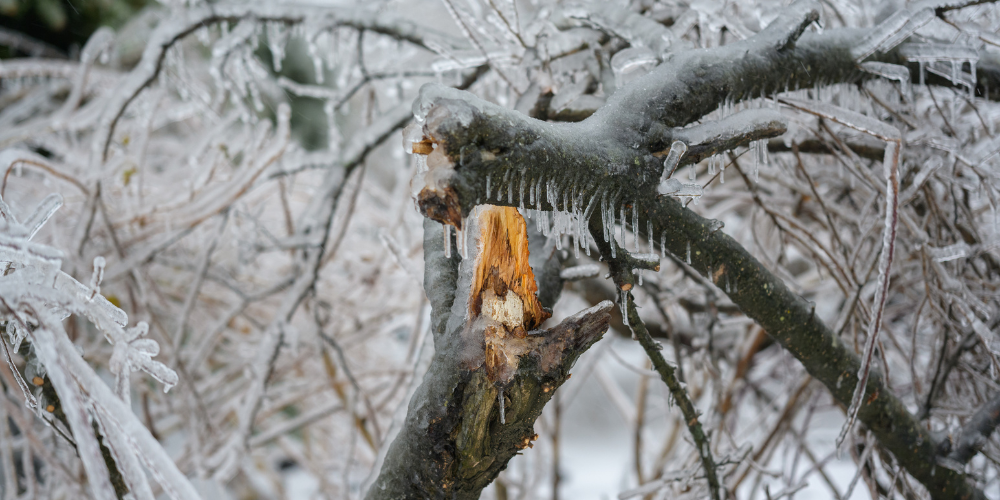
Pennsylvania’s heavy, wet snow and ice storms can snap branches, especially on arborvitae, boxwood, and multi-stem shrubs. Damage can range from small cracks to fully snapped limbs, and it often looks worse immediately after storms.
Sometimes branches bend dramatically without actually breaking. It can look like your shrub has given up on life, but many branches rebound slowly once temperatures warm and snow melts away.
Wet snow is especially dangerous because of its weight. Removing heavy snow before it freezes can prevent breakage, but ice should be left to melt naturally.
What to Do Next
- Prune broken branches cleanly back to healthy tissue.
- Remove hazardous hanging limbs immediately.
When to Wait
If branches are bent but not cracked, wait until spring. Many rebound naturally.
Prevention for Next Year
- Tie vulnerable evergreens loosely before winter.
- Prune weak, damaged, or crowded branches in fall.
Flattening from Snow Load
Sometimes shrubs, ornamental grasses, and perennials get completely flattened under snow. While it looks dramatic, snow actually insulates plants and protects them from extreme cold.
Seeing your favorite shrub pancaked under a blanket of snow can be upsetting, but plants are often tough—many rebound fully once snow melts and sunlight returns.
What to Do Next
- Gently brush heavy snow off with an upward motion.
- Do nothing if snow is light.
When to Wait
Many evergreens and perennials pop back upright in spring without help.
Prevention for Next Year
- Support the affected plants with stakes in the fall.
- Proactively brush off vulnerable plants during and after major snow events.
Animal Browsing (Winter Snack Attacks)
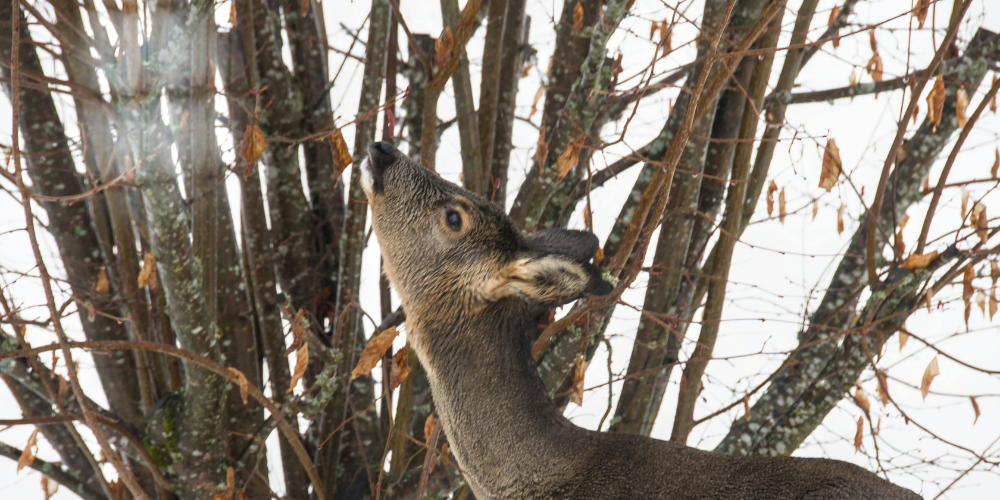
Winter is tough for wildlife, and unfortunately, your landscape can become an all-you-can-eat buffet. Deer, rabbits, and voles often chew bark, stems, and buds when food is scarce. Some mornings it may look like someone hosted a midnight salad party in your yard—and forgot to invite you.
Bark damage becomes serious if it circles the trunk completely (girdling). Partial chewing needs to be stopped, but plants can recover from it.
What to Do Next
- If damage is partial, wrap the trunk with protective plastic or metal mesh to prevent further damage. It’s crucial to protect the intact cambium if you want the tree to survive.
- If fully girdled, the plant may not survive because the link between root and trunk has been severed. To save the tree, you need to act quickly. Contact a professional arborist to graft a bridge branch over the girdle to allow sap to flow. Then water deeply to help the tree recover. Wrap the trunk with protective material to prevent further girdling.
Prevention for Next Year
- Install tree guards and trunk wrapping.
- Use fencing or repellents.
- Keep grass trimmed near trunks.
The “Wait and See” Rule (Your Secret Gardening Superpower)
Girdling must be addressed to save plants, but other times, doing nothing is the secret remedy to winter damage. Many plants look terrible after winter but recover beautifully once growth resumes. Don’t rush pruning to fix problems. Wait until mid-spring so you have a clear picture of what’s alive and what isn’t.
Scratch tests (checking for green tissue under bark) and watching for new buds are reliable indicators of life.
Final Thoughts: Reviving the Winter Garden
Browning needles, cracked bark, and chew marks can make anyone panic. But most winter damage to plants is cosmetic or temporary, and many plants recover faster than you expect. The best strategy is observation first, action second, and prevention third. Water well in autumn, protect vulnerable plants, and plan snow and salt management carefully. Your garden has survived winter before—and with a little help from you, it will do it again. If you have any questions or need local expertise, we’d love to see you in person at Primex Garden Center!