Choose the Right Soil Every Time
January 12, 2026
Soil is much more than dirt. It’s a living, breathing ecosystem that supports nearly all life on land, including in our gardens.
For experts and beginner gardeners alike, trying to find the best soil often feels overwhelming. There are so many options, and each one promises miracles, bumper crops, or tomatoes the size of softballs. This guide empowers you to understand what your garden actually needs, so you can make soil choices with clarity and confidence.
What Is Soil, Really?
Soil has formed slowly over thousands of years as rocks broke down, plants and animals decomposed, and billions of unseen microorganisms recycled organic matter. Healthy soil stores water, cycles nutrients, supports plant roots, and is the basis of entire life systems from fungi to earthworms to us. Understanding the difference between potting mix, garden soil, and compost makes it much easier to choose the best soil for beginners who want healthy plants without overthinking every step.

Why Soil Matters for Your Garden
Every plant you love depends on soil to deliver water, nutrients, and stability. It’s our role as gardeners to match the right soil with the right plants. We also need to maintain and improve our soil health over time, as plants use up nutrients and the rain washes soil away. When soil health declines, everything above ground struggles too. If we are good caretakers of the soil, our plants will be more resilient against extreme weather, resistant to disease, and contain more nutrients for our own bodies.
Understanding Soil Types for Your Garden
Garden centers offer various kinds of soil for purchase. Choosing the right mix depends on your purpose for using it. As you’ll see below, container gardens and pots need different soil than a ground-level vegetable bed or lawn.
1. Potting Mix Explained
Potting mix is designed to be light, fluffy, and easy for roots to move through, which is why it feels so different from typical garden soil. It’s made from materials like peat or coconut coir, bark, and perlite, all chosen to hold moisture without becoming soggy. This makes it perfect for containers, patio pots, and houseplants where water needs to drain quickly and roots don’t have room to wander. If you’re a gardener with houseplants, balcony planters, or a few cheerful pots by the front door, potting mix is your safest and most forgiving choice.
2. Garden Soil and When To Use It
Garden soil is meant to be used in the ground, not as a standalone growing medium in containers. It’s usually a blend of native soil and organic matter designed to improve existing beds rather than replace soil entirely. A common misconception is that garden soil works everywhere, but in pots it compacts quickly, holds too much water, and can smother roots. Garden soil shines when mixed into in-ground beds or used to top up planting areas that already have decent drainage.
3. Compost Is Not Soil and That Is a Good Thing
Compost is best thought of as a powerful soil booster rather than something plants should live in alone. It’s rich in organic matter and microorganisms that help improve soil structure, water retention, and nutrient availability over time. Compost works beautifully when added to both overly sandy soil, where it helps hold moisture, and heavy clay soil, where it improves drainage and airflow. Mixed into existing soil, compost quietly does a lot of work while your plants reap the benefits season after season. When compost and mulch are used correctly, they help create the best soil for beginners by improving structure, protecting roots, and building long term plant health beneath the surface.
4. Topsoil Debunked
Packaged topsoil usually comes from screened native soil that is harvested from greenfield construction sites. Sometimes it’s blended with a small amount of organic material. It’s most useful for filling low spots in lawns, leveling areas, or building up landscape beds before planting. On its own, packaged topsoil isn’t very nutritious for plants, but it becomes more useful when mixed with compost. Think of topsoil as a blank canvas that needs enrichment before it becomes a thriving growing space.

Common Beginner Mistakes and How to Avoid Them
- Potting Mix vs Garden Soil: One of the most common mistakes is using garden soil in containers and wondering why plants look unhappy a few weeks later. Garden soil is too dense and doesn’t allow for proper drainage in a pot, leading to root rot and struggling plants. It’s best to use potting mix in containers and pots.
- Not Enough TLC: Another frequent slip-up for beginners is failing to add compost or organic matter regularly to their gardens. This is especially important for vegetable gardening, which sucks nutrients and organic matter from your soil year after year. To prevent the soil from getting tired and grey, you need to give back through compost, which you can make yourself or purchase.
How to Choose the Right Soil for Your First Garden Setup
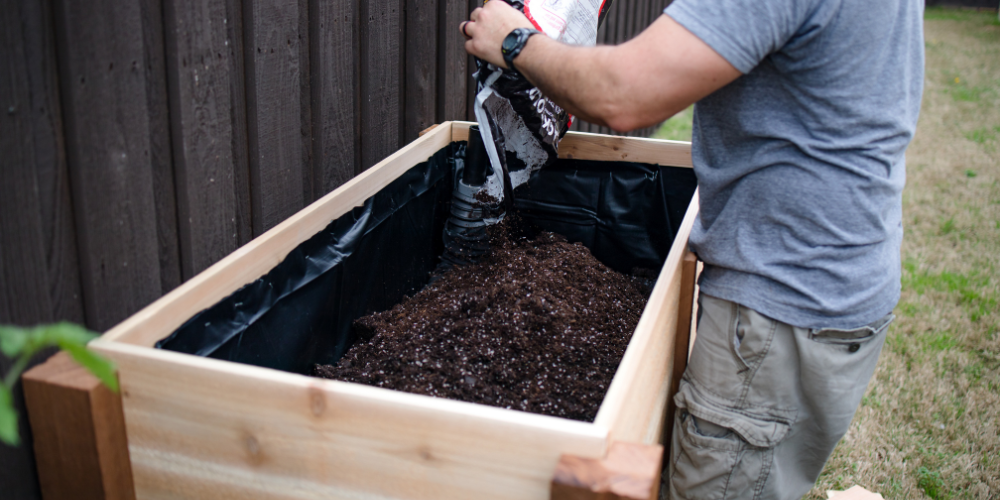
Start by thinking about where you’re planting, because location matters more than plant labels. For patio pots and indoor plants, choose potting mix every time. For raised beds, look for a raised bed blend or mix garden soil with compost, and for in-ground gardens, improve what you have with compost rather than replacing it completely. If your setup is a mix of all three, it’s okay to buy more than one type of soil and let each one do the job it was designed to do.
What is Sandy, Clay-based or Loamy Soil?
If you’ve been around the gardening world for a while, you’ve probably heard about sandy, clay-based, and loamy soil—these are simply ways to describe how your soil feels, drains, and holds nutrients. An easy hand test helps you tell the difference: grab a damp handful of soil and squeeze it:
- Sandy Soil falls apart in your hands quickly.
- Clay Soil holds its shape like modeling dough.
- Loamy Soil forms a soft clump that breaks apart with a gentle poke.
These labels describe how water moves through the soil and how easily roots can grow, which affects what plants feel happiest there. Sandy soil is great for plants that hate wet feet; clay supports nutrient-loving plants once improved; and loam is the all-purpose favorite. The key is knowing what you have so you can work with it, not against it, and choose plants that feel right at home. On the other hand, if you want loamy soil for growing vegetables, adding compost over time can make both clay-based and sandy soil more balanced.
Soil Testing — The Next Steps
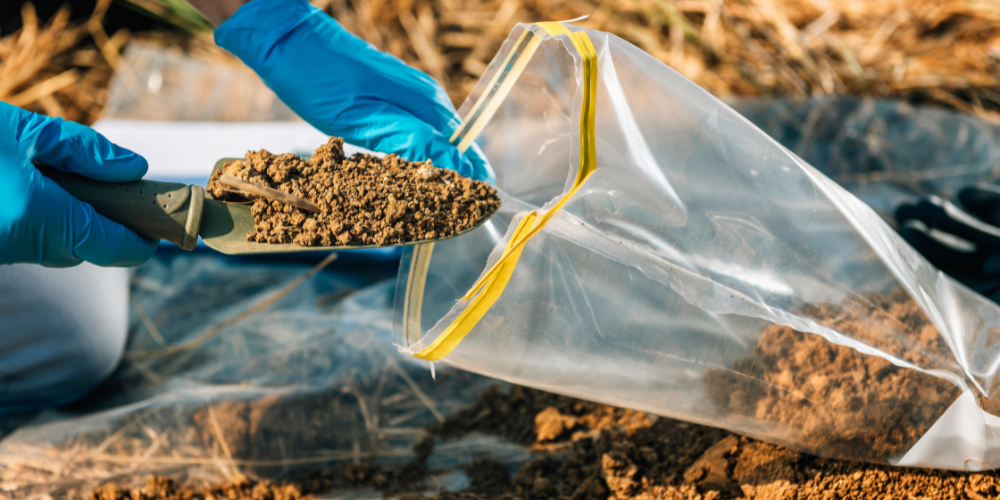
If you’d like more precise information about your soil, testing can tell you exactly what you’re working with. It gives you insight into soil deficiencies and pH, which you can then correct with amendments, if necessary. We offer complimentary soil pH testing for the home gardener. Bring us a 1/4 cup of completely dry soil and we can test while you wait!
- Why is soil pH important? It influences how plants access the soil nutrients.
- The more information you have about your soil, the more targeted you can be with soil amendments.
- In the long run, healthy soil reduces plant pests and diseases, making your work as a gardener much easier!
Soil stewardship is about patience, curiosity, and small improvements made consistently over time. When we care for soil, we support thriving ecosystems, stronger food systems, and the quiet underground life that makes every garden possible. For beginners and experts alike, choosing the best soil is really about honoring soil as the foundation of life. If you’re gardening in Glenside, PA, or greater Philadelphia, our experts at Primex Garden Center are always willing to provide more tips in person and help you grow something beautiful from the ground up.