Repurposed & Reimagined: Creative Gardening with Everyday Items
December 8, 2025
Like a tree that grows more beautiful with age, we can shape our gardens—and our lives—to appreciate the character and depth that older things bring.
Repurposed garden ideas make any outdoor space feel more personal, soulful, and eco-friendly. Instead of tossing everyday objects into the abyss of your basement or the recycling bin, you can turn them into useful or decorative pieces for your garden. This approach saves money, reduces waste, and adds artistry to your yard.
Why Repurposing Matters in Today’s Garden
Old objects have a rustic charm that simply can’t be manufactured in something new. Giving them a new purpose preserves that quality, enhances bonds to the past, and gives your garden more depth. It also allows you to take creativity into your own hands, using your DIY skills to build something, rather than always relying on ready-made objects.

Old Boots, New Blooms!
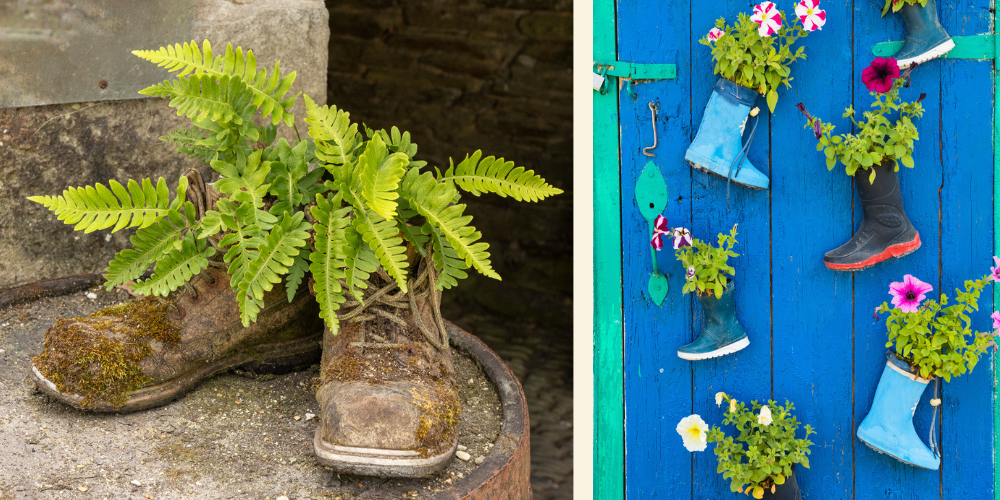
Old boots practically beg for a second career as planters, especially those with charming cracks and scuffs. Their shape naturally holds soil, and their quirky appearance gives gardens a new personality. Whether worn-out work boots or old knee-highs, their rugged style adds instant character. Just make sure to drill a hole or two in the sole so your plants don’t drown during the first rainstorm.
How to Make Boot Planters
- Line the inside with a bit of mesh to keep soil from spilling out.
- Choose plants that don’t mind a compact space, such as herbs or small annuals.
- Place the boots somewhere they can be admired—on porches, steps, or tucked playfully into garden beds.
Buckets With New Purpose
Metal and plastic buckets often become distorted from heavy use, but that doesn’t mean they’re done serving you. These containers make fantastic planters, soil-mixing vessels, or rustic accents in the garden. Their wide mouths are perfect for trailing plants, herbs, or bold flowers that like a bit of room. With a coat of paint, even a dented bucket becomes a charming showpiece.
Vertical Gardens From Pallets
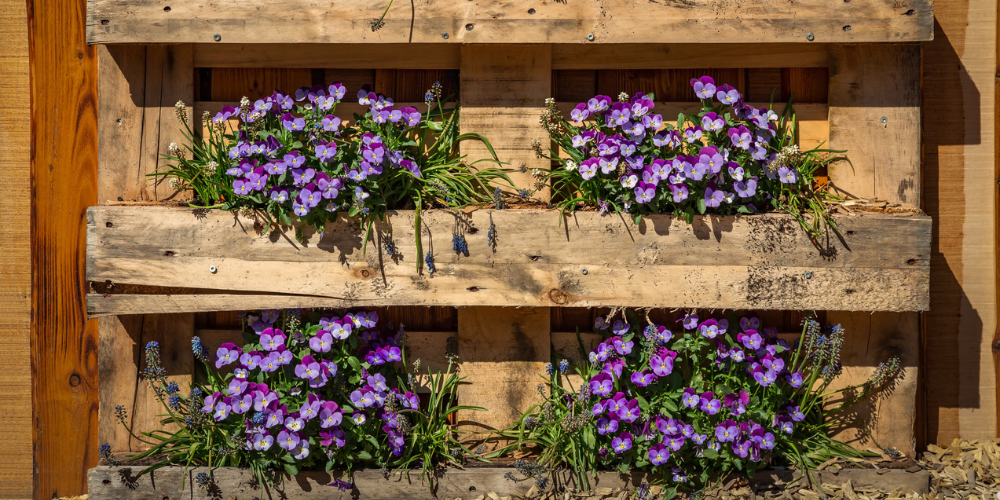
Wooden pallets give gardeners an affordable way to grow upward instead of outward. Their slats create natural pockets for soil or potted plants, making them easy to transform into lush walls of foliage. When leaned against a fence or hung securely, pallets help maximize space in small yards or patios.
Key Tip: Make sure your pallets are clean and untreated to avoid chemicals creeping into your plants.
Pallet Ideas You’ll Love:
- Fill the gaps with landscaping fabric and soil to create a living wall.
- Use pallets as shelves for small potted plants like succulents or herbs.
- Hang lightweight tools from the slats for extra storage.
Jars for Propagation and Beyond
Those glass jars sitting in your pantry or clinking around in recycling bins? They’re propagation gold. Jars make ideal vessels for rooting cuttings because you can visibly monitor progress—like slow, leafy magic. They also work beautifully as mini terrariums, candle holders, or decorative lanterns. A simple ribbon or twine can transform even a pickle jar into something elegant.
Broken Terracotta: A Treasure, Not Trash
Broken pots often feel like a heartbreaking waste, but they can be surprisingly useful. The shards make excellent drainage material for the bottoms of pots where soil tends to compact over time. They also double as lightweight mulch that warms soil and helps protect roots. Terracotta pieces can even be arranged around plants as charming, crumbly edging.
Furniture Finding New Legs
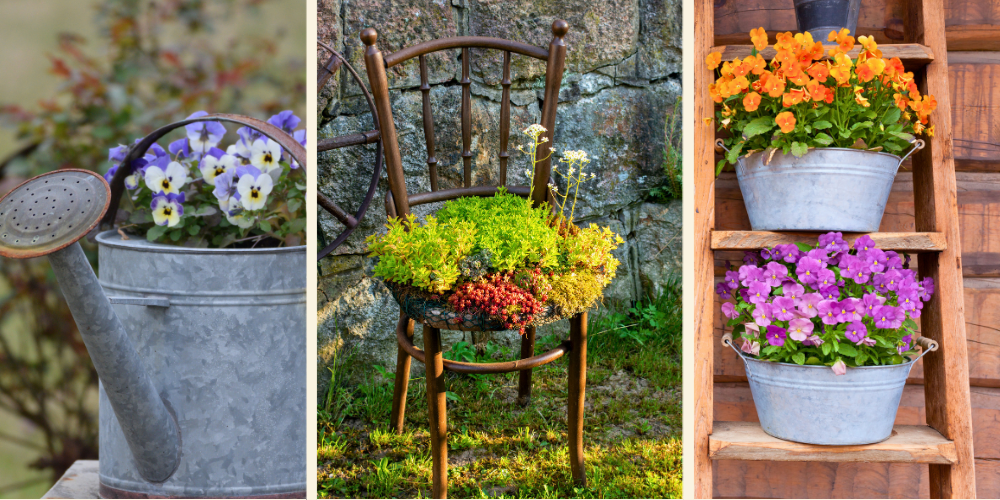
When a chair is too wobbly for sitting but too pretty to toss, give it a new job. A seat with a missing bottom becomes an instant planter frame for overflowing flowers or cascading vines. Even a broken table can be refinished into a potting bench, tool stand, or plant display. It’s amazing what a little imagination and a sunny corner can do.
Repurpose-Friendly Furniture Ideas
- Remove the seat of an old chair and insert a planter for a cottage-style look.
- Turn a nightstand into a miniature greenhouse for seed trays.
- Convert a broken dresser drawer into a portable herb garden box.
Tin Cans With a Twist
Tin cans are the unsung heroes of the recycling world—sturdy, stackable, and wildly versatile. Cleaned and painted, they become adorable hanging planters or organizers for small tools. Larger cans can serve as stylish herb containers or lanterns with punched-in designs. Their uniform size makes it easy to create tidy rows or colorful clusters on shelves.
Reinvented Watering Solutions
Watering cans, milk jugs, and soda bottles can all live a second life as clever garden tools. Poke holes in a plastic jug lid to create a makeshift watering can that’s gentle on seedlings. Cut the bottoms off bottles and use them as mini cloches to protect tender plants from cold snaps. Even cracked watering cans can shine again as planters overflowing with flowers.
Smart Water-Saving Upcycles
- Transform large jugs into drip irrigation by poking small holes near the base.
- Use old bottles as watering spikes buried next to thirsty plants.
- Repurpose metal watering cans as focal points in garden beds.
Repurposed Pathways and Borders
Stones, bricks, and broken household items can be reimagined into charming garden pathways. Old plates can be embedded into steppingstones for a mosaic effect, while leftover bricks create warm, rustic walkways. Colorful tiles can edge small flower beds with flair. With a steady hand and some patience, these designs become standout features.
Life After Use: How to Find Creativity in Old Things
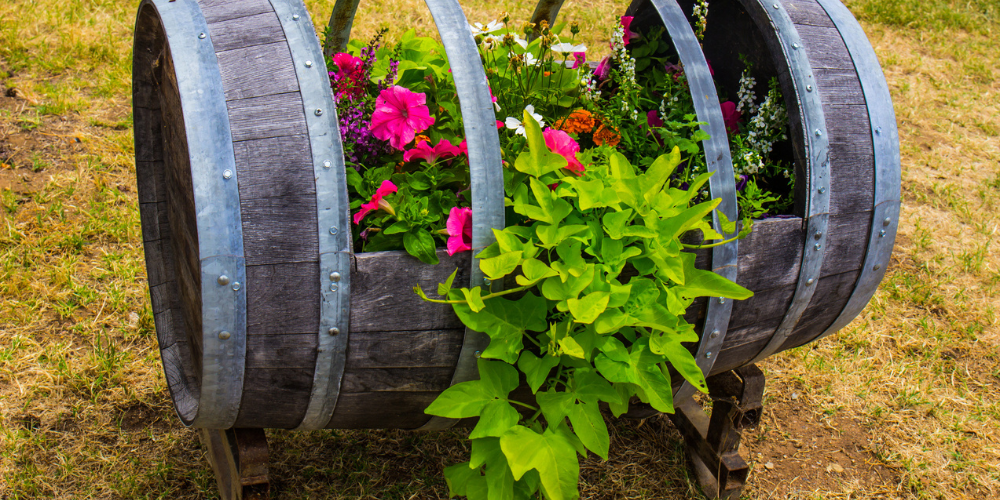
If you think about it, all human-made objects have a life that both precedes our use of them and carries on after they’ve served our purpose. Take, for instance, a wooden chair. Long before it was a chair, it was nothing less than a living tree. Then, it became lumber, and finally, someone shaped it into a chair. After we’re done with it, it will slowly decay into something that is not a chair, but is still something. It’s that mysterious something that we can appreciate and repurpose in our homes and gardens.
The Magic of Seeing Objects Differently
Repurposing blends creative problem-solving with the satisfaction of giving everyday objects a fresh purpose. It’s one of the easiest ways to enjoy DIY garden projects without needing deep pockets. A splash of paint, a little soil, and a few rescued materials can turn any backyard corner into a remarkable piece of the Glenside gardening community. The joy of it lies in the transformation of perspective.
Finding Personal Style in Repurposed Objects
Repurposing objects lets your personality shine throughout your outdoor spaces. Whether you lean rustic, modern, or delightfully chaotic, there’s a project to match your style. These aren’t just tips for sustainable gardening—your creations can become conversation starters that make gardens feel warm and lived-in. Your personal objects tell a story that is unique to you.
Stringing it Together: The Big Picture of Old Objects
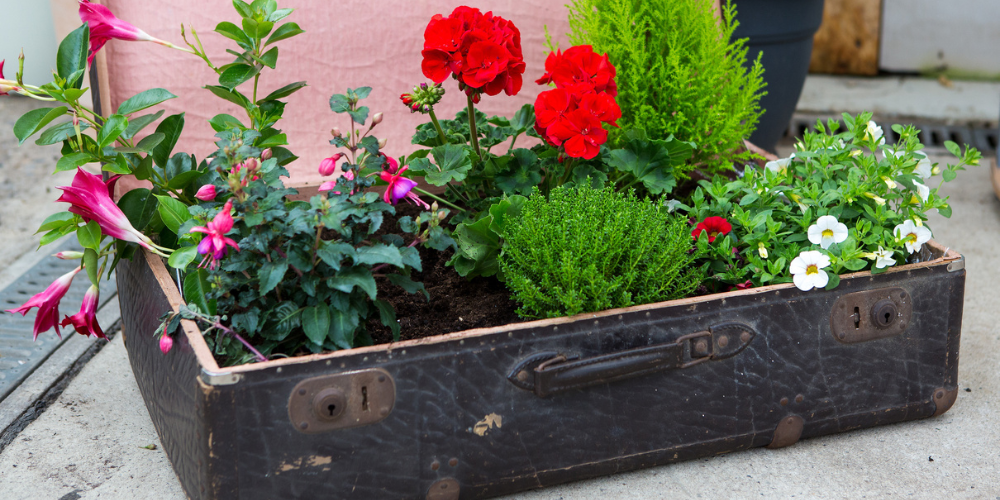
Repurposing materials is as rewarding as it is eco-friendly, blending creativity with practical benefits. It reduces waste, supports sustainability, and gives gardeners a chance to craft unique displays that reflect who they are. These ideas are simple, approachable, and kind to the wallet, making them perfect for gardeners of all experience levels. In the end, these repurposed garden ideas help us nurture outdoor spaces that feel meaningful, personal, and wonderfully inventive. For more inspiration for your artistic journey, come visit our garden center in Glenside, PA!