Gardening in Harmony: Yards for People & Wildlife
November 18, 2025
Through strategic designs, plant choices, and barriers, we can discourage deer from browsing in our yards, while still enjoying their presence in our communities.
It’s wonderful to share our yards with wildlife, but without any resistance, a deer can undo months of plant growth in a single night. The challenge is to learn how to live in harmony with our animal friends without driving them away or sacrificing our gardens.
A Mindset for Harmonious Living
As human-created spaces have expanded over the last century, we have left fewer spaces for our beloved wildlife to live in. To reverse the trend, we can begin to welcome native plants, bees, butterflies, insects and songbirds back into our gardens, farms, and even cities. A challenge arises when large animals, like deer, start to compete with our own interests.
When deer visit our yard, it’s a reminder that our garden is part of a living landscape that supports more than just us. At the same time, we may want to protect our vegetable plots, fruit trees, and ornamentals so our garden can continue to support us too. Instead of blocking deer out with fences, we can learn to live harmoniously through strategic plant selection and smart garden design.
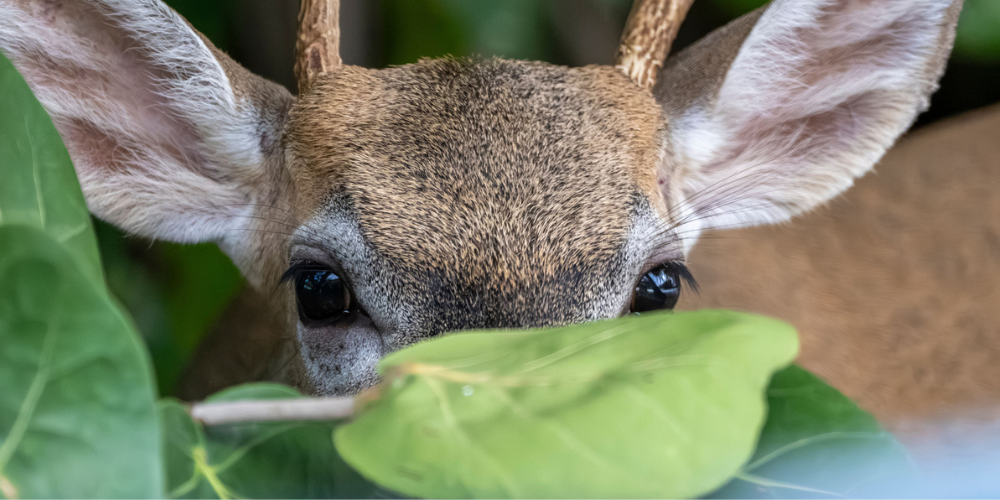
Who is Eating my Garden? Signs of Deer Damage
Deer tend to yank or tear vegetation rather than snip it cleanly, leaving shredded edges on twigs and missing buds on shrubs. So look for ragged, torn leaves and unevenly chewed stems, usually starting at ground level and reaching as high as six feet. You may also notice hoof prints in soft soil, small oval droppings, or bark stripped from trees during winter feeding.
Is My Deer Damage a Problem?
Before you feel outraged by signs of garden damage, it’s best to first step back and ask yourself—is the deer damage really a problem? As you’ll see below, deer often only eat particular plants and won’t munch everything in your garden. If the deer impact is significant, you can take more steps that are outlined below—but if you can tolerate sharing your plants with deer, then maybe their presence is more of a gift than a problem.
Deer Pathways and Habitat: Key Steps to Understanding
Deer are drawn to forest edges, where food is plentiful and escape routes are close at hand. Often, our suburban yards mimic the forest edges that deer love. Observing the deer paths into your yard can be a key step to living harmoniously with them. Spend a day looking for tracks and watching how deer move through your space.
If there is a particular trail they are using, try blocking it with obstacles, scented repellent, or new plantings. If the source of food in your yard remains attractive, deer may still jump the barriers to get that food.
Deer Behavior in Your Garden: Learn Their Routine
Deer are crepuscular animals who are most active in the late evening and early hours of the morning. Observing when they visit your yard can be another first step to developing a resistance plan. If they visit in the early morning, turn on your sprinklers or allow your dog out as a deterrent.
Repeated efforts can cause them to create a new routine elsewhere. Motion-activated lights or noisemakers also work to scare them away from your yard.
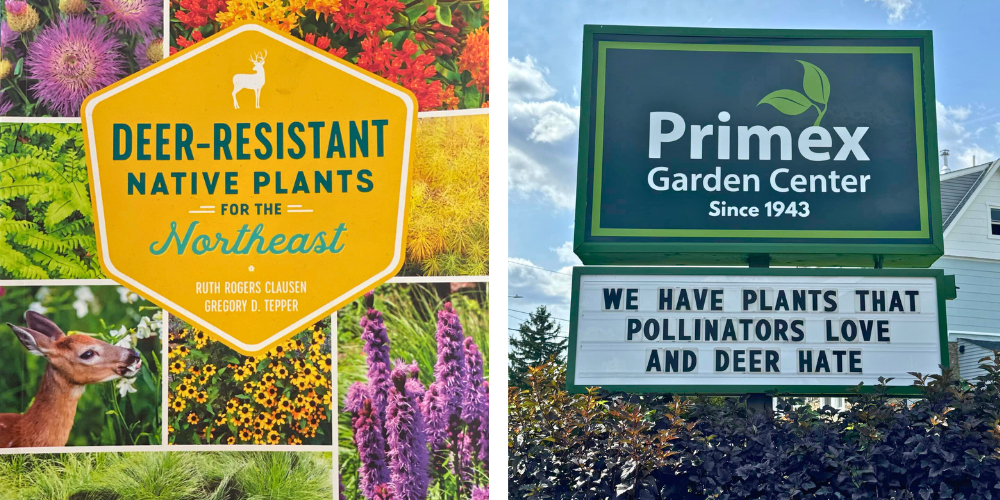
Elements of the Deer Diet: Learning What They Eat
During the spring and summer, deer love to eat herbaceous plants, while in the fall they turn to acorns, fruit, twigs, and bark, which they continue to browse through the winter. They’re especially fond of:
- Vegetables: peas, carrots, beans, and lettuce.
- Ornamentals: hibiscus, impatiens, roses, daylilies, hostas, tulips, and dahlias.
- Fruit Trees: apple, pear, and persimmon.
Look at the plants that deer are eating in your garden. Often, they target one or two species while leaving the rest. Shifting the location of these plants, growing defense plants around them, or removing them may be enough to stop the damage. If your garden is full of plants that deer love, it’s wise to consider different plantings altogether.
Plant Selection for Deer Resistance
Creating a garden that deer prefer to pass by begins with smart plant selection. Choose varieties that naturally deter browsing—plants with strong scents, fuzzy textures, or bitter sap:
- Scented Plants: Perennials like lavender, catmint, Russian sage, alliums, marigold, thyme, oregano, and yarrow release aromas that deer find overwhelming.
- Textured Plants: Plants such as lamb’s ear and sedum offer unappealing textures.
- Toxic or Irritating Plants: Daffodils, hellebores, foxgloves, and milkweeds have irritating sap, making them undesirable and inedible for deer.
- Deer Repellent Shrubs: Prickly and rough shrubs like boxwood, barberry, holly, viburnum, and living fences provide reliable structure and year-round color, all while sending the message that this garden buffet is closed.
The theory behind deer-resistant plants is simple: deer eat what feels and smells safe. Their sensitive noses and tongues quickly reject coarse or pungent foliage, so combining these defensive characteristics throughout your landscape builds layers of deterrence. The result is a garden that delights humans but confuses hungry visitors.
Deer Repellent Garden Designs
Design layout is just as important as plant choice. Start by placing the most tempting species—like hostas or daylilies—closer to your home or patio, where your activity and scent discourage deer.
Surround the outer edges of your garden with tough, unappetizing plants and textured hedges to create visual and physical depth. Include pathways, trellises, or low stone walls to break up long sightlines, since deer favor open views that allow for quick escapes. A well-layered, varied garden not only looks lush and intentional—it quietly tells deer to dine elsewhere.
Key takeaways:
- Hide the Treats: Hide what deer like to eat near your home or out of reach behind repellent plants.
- Plant Repelling Borders: Surround your perimeter with strong scented, fuzzy, and irritating plants and shrubs.
- Use Rough Foliaged Shrubs: Block access to your yard by planting deer-repellent shrubs or a living fence.
- Create Obstacles to Preferred Deer Habitat: Instead of open meadows, open sight lines, and hiding spots, which make deer feel safe—place obstacles in sightlines or clear away hiding spots to make deer more uncomfortable in your yard.
- Plant Sacrifice Plants: On the outside of your property, plant a gift to the deer so they won’t venture further inside.
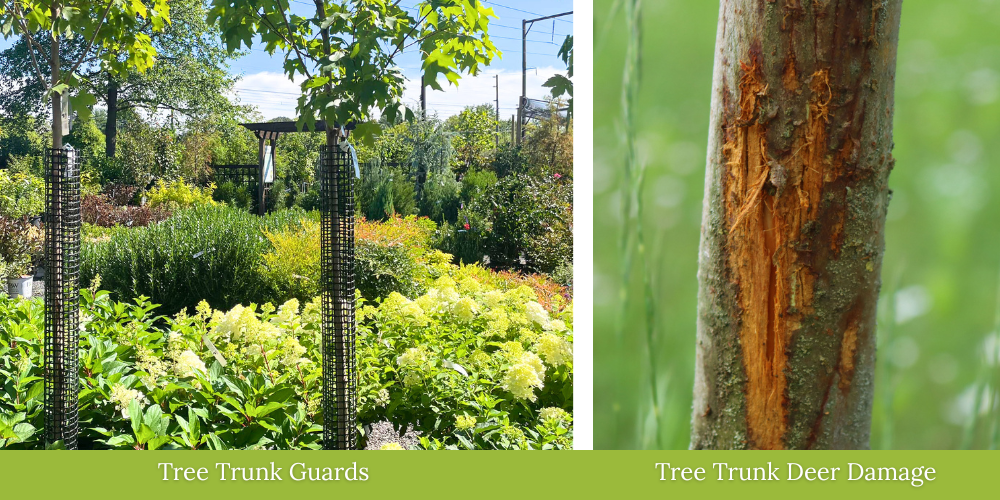
Caging Young Trees
In the winter, deer shift from browning vegetation to eating bark and twigs, often from young trees and shrubs. Rabbits and mice also nibble young bark in the winter, when other food sources are scarce. Protect your new plantings with plastic wrap or cages around the base, so wildlife doesn’t girdle your new investments.
Measuring Your Success
You may not be able to deter deer from your yard all at once, but you can measure your progress. What are the signs that your deer strategy is working?
- Incidents of new damage decrease week to week.
- Regrowth of damaged plants.
- Deer footprints and tracks shift away from your yard.
Using Deer Sprays
Scented deer sprays are sometimes effective for deterring deer, but the challenge is that they also make your yard stink. In contrast, scented plants like salvia and mint are pleasing to our noses, while unpleasant for deer. They also make good additions to low-maintenance native garden ideas.
If you have to use deer spray, try to use it at the entry and exit points on your property to stop deer from trafficking the area. Remember to reapply it every 2-3 weeks.
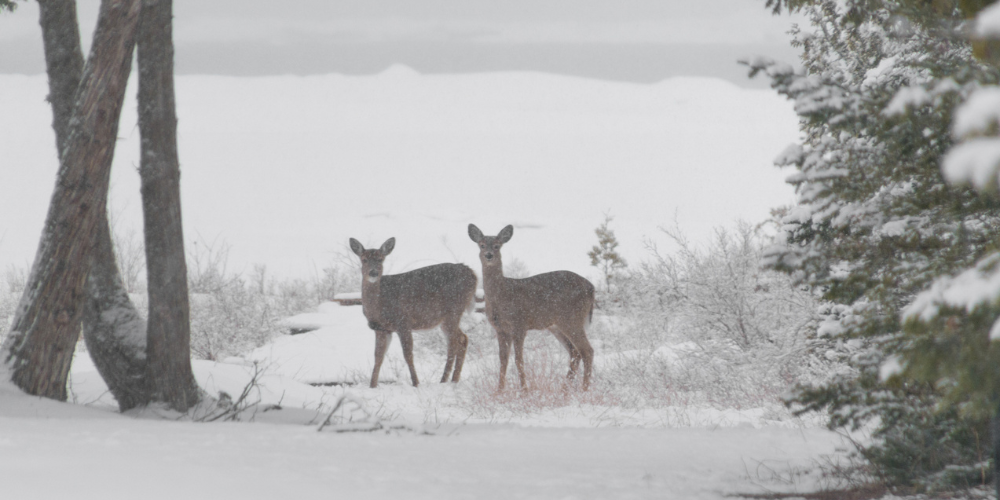
Coexistence with Wildlife in the Garden
Once we understand how deer travel, eat, and use our yards, we can become skilled in coexisting with deer. Deer-resistant plants and landscaping can encourage deer to nibble on plants elsewhere. If you have more questions on wildlife-friendly landscaping and native plants for suburban Philadelphia gardens, don’t hesitate to visit our garden center in Glenside, PA!