From Fall to Frost: Keep Gardening with a Cold Frame
October 14, 2025
Cold frame gardening is a way to enjoy fresh produce even through the frosty nights of fall. Like a miniature greenhouse, it protects veggies from the cold. They’re easy to make yourself, easy to use, and don’t require any extra space outside your normal garden. Read on to learn how this simple structure can extend your season!
What is a Cold Frame?
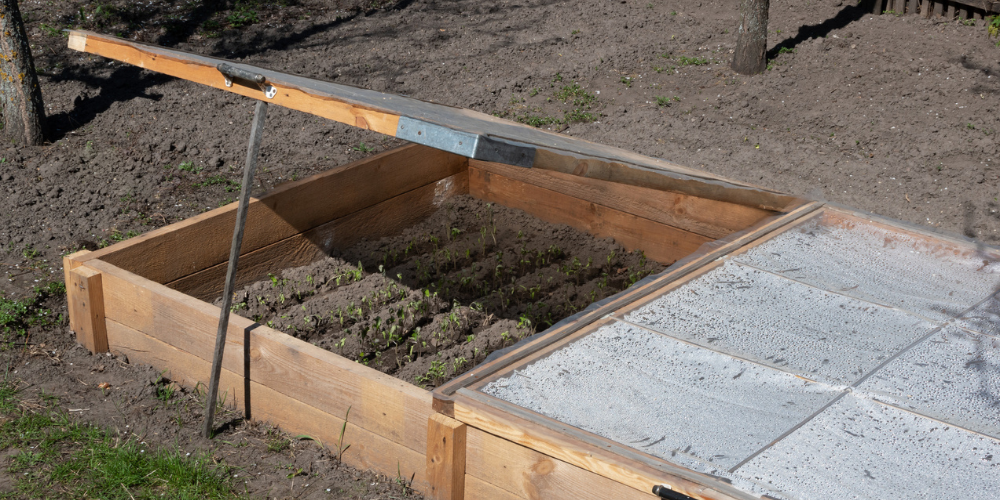
A cold frame is a gardener’s quiet secret, simple yet powerful. Picture a wooden box with no bottom, topped by a clear lid of glass or plastic. During the day, sunlight pours through the lid, warming the soil and air inside. At night, the lid holds that warmth in, creating a microclimate that shelters your plants from frost. It’s like giving your garden bed its own protective blanket, soft but strong enough to withstand the chill.
One of the best qualities of a cold frame is how naturally it fits into small spaces. If your backyard is modest or your growing area is a raised bed, a cold frame rests neatly on top, turning that space into a season-stretching powerhouse. For container gardeners, even smaller versions can be built, allowing you to grow greens and herbs on patios or decks. It’s gardening at its most efficient—compact, effective, and endlessly rewarding.
Why Cold Frames Are Game-Changers
A cold frame transforms the way you garden by extending the season, protecting your crops, and opening the door to new possibilities. The benefits can be enjoyed by every kind of gardener.
Appropriate For Small Spaces: A cold frame lets you extend your harvest without demanding more yard. Fresh salads in late November are suddenly within reach, even in small backyards!
An Accessible Project for Any Skill Level: Building a cold frame is approachable, budget-friendly, and doesn’t require specialized tools. It’s an ideal introduction to gardening, showing quick results that inspire confidence.
Useful in the Spring and Fall: Cold frames can extend your season on both sides of winter. They lengthen the amount of frost free days in fall and give you a makeshift greenhouse to start plants early in the spring. More weeks of fresh garden food mean a healthier, happy family.
How to Build a Cold Frame
Creating a DIY cold frame is refreshingly simple, and you don’t need a workshop full of tools. A few materials and an afternoon of effort will leave you with a structure that serves you year after year.
Materials to gather:
- An old window or a sheet of clear acrylic for the lid
- Four sturdy boards (2×6 or 2×8 lumber works well)
- Hinges
- Nails or screws
- Optional handles for easy lifting
Steps to build:
Form the frame: Attach the boards into a rectangular box. Make the back slightly taller than the front so the lid slopes forward, catching the sun and shedding rain.
Add the lid: Attach your window or acrylic sheet to the back with hinges. This creates a simple top you can open and close for watering and ventilation.
Choose the spot: Place your cold frame on a garden bed or a level patch of soil in the sunniest corner of your yard. South-facing positions capture the most warmth.
Insulate the edges: In colder weeks, mound soil or straw around the sides of the box to keep out any icy drafts.
Up-cyclers might find satisfaction in repurposing old storm windows or reclaimed lumber. The beauty of a cold frame is that it doesn’t need to be perfect—as long as the plants receive sunlight and protection from frost, the box is working.

The Best Crops for Cold Frames
Not every plant loves cooler weather, but many flourish when tucked into the protective shelter of a cold frame. Below are the best vegetables for cold frames—plants that thrive in crisp air and deliver harvests long after the first frost.
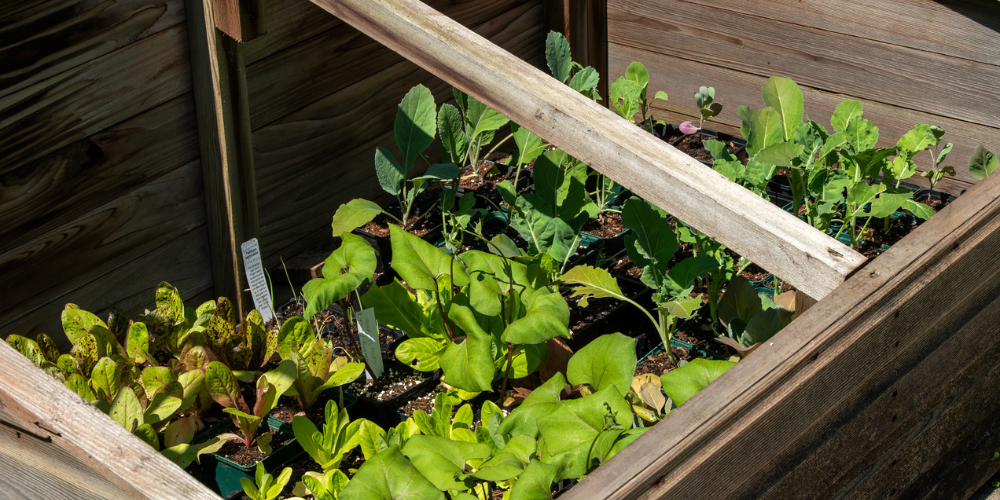
Spinach: A reliable cold-weather green, spinach grows quickly and tolerates low temperatures, rewarding you with sweet, tender leaves.
Kale: Hardy and resilient, kale improves in flavor as the temperatures drop. A light frost can make its leaves even more delicious.
Carrots: When grown under a cold frame, carrots keep their crunch and sweetness well into winter. Many gardeners find that the chill of fall deepens their flavor.
Lettuce: Loose-leaf and butterhead varieties thrive in cool weather. With protection, you can continue harvesting soft, vibrant leaves weeks longer than usual.
Radishes: Quick to mature and easy to grow, radishes are perfect for children eager to see fast results.
Parsley and cilantro: These herbs not only endure cooler weather but also brighten cold-season meals with their fresh flavors.
For fall gardening in Glenside Pennsylvania, timing is important. Plant seeds in late summer or early fall so that they’re established before frost arrives. Once settled under the cold frame, these crops will continue producing as temperatures drop. And when spring returns, the same frame can help you start seedlings weeks before the soil is ready outdoors, giving you a jump on the growing season.
Cold Frame Care and Quick Tips
A cold frame is easy to maintain once you know the basics. Like any tool, it works best with a little care and attention.
Vent on sunny days: Even in December, sunlight can quickly turn your cold frame into a greenhouse sauna. Prop the lid open slightly to prevent overheating.
Mind the moisture: Plants need less water in cool weather, but the soil should never dry out completely. Check the moisture with your hand—if the soil feels dry an inch below the surface, water lightly.
Add insulation: On especially cold nights, cover the lid with a blanket, old rug, or layer of autumn leaves to keep warmth inside.
Watch for pests: While the frame offers protection, small insects can still sneak in. Keep an eye out and gently brush them away if needed.
Learn from experience: Each season teaches new lessons. Keep a simple journal of planting dates, crop successes, and adjustments so your next season is even better.
Opening your cold frame in the early morning is like lifting the lid on possibility. Where the yard is frosty and frozen, inside is still green, fragrant, and alive. Caring for a cold frame is more than a chore; it’s a ritual that brings peace and joy in colder months.
Comparing Alternatives to Cold Frames
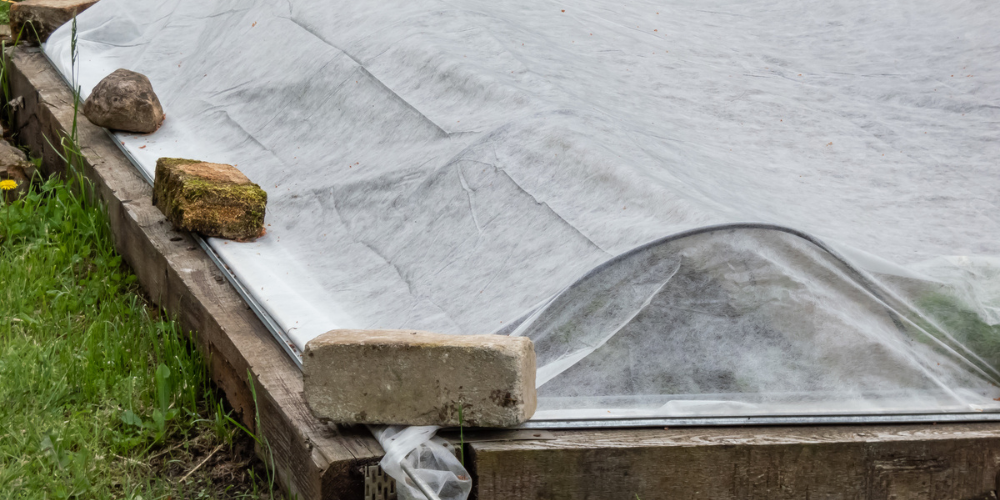
Covering Your Plants: Covering your plants with a sheet is another way to extend the growing season, but a cold frame makes this process a lot easier. The design allows for a simpler opening and closing of the lid, rather than trying to get your blanket fitting just right. With thicker walls, cold frames are also warmer and hence can provide growing space for longer into the fall.
Greenhouses: Greenhouses are another excellent option for extending the growing year. The difference is that they need a bigger investment and more space. Cold frames can be placed on top of existing plants, raised beds, or patio gardens as needed. They require less space, cost and are mobile.
Extend the Joy of Gardening
The first frost doesn’t have to signal the end of fresh harvests. With a cold frame, your garden can continue to provide crisp greens, tender herbs, and sweet root vegetables even as the frost comes nightly. This simple structure brings warmth, resilience, and delight to any yard, no matter the size. Visit our garden center for seeds, supplies, and inspiration to begin your own journey with cold frame gardening!