Plants for Shade Gardens: Perennials, Annuals, and Groundcovers That Love Low Light
July 7, 2025
If you’re working with limited sunlight, don’t worry—plants for shade gardens can turn even the darkest corners of your yard into lush spaces. Pennsylvania is packed with plants that adore the dappled, dim, or downright dark corners of your yard. Let’s shed some (dappled) light on how to make the most of your shade and turn it into a thriving garden!
Know Your Shade (and Why It Matters)
Before you grab your trowel and head into the shadows, it’s helpful to know what kind of shade you’re actually working with. Is your garden bathed in soft morning light but grows dim with shade by lunchtime? That’s partial shade. Does it look like someone turned down the brightness in your yard all day long? That’s full or deep shade. And if sunlight filters through the trees in shifting patterns, you’ve got lovely dappled shade.
Time of day matters too. Morning sun tends to be gentler and easier on sensitive plants, while hot afternoon sun can dry out soil quickly, even in spots that seem shady. If your yard feels like it’s stuck in a permanent late-afternoon nap, you might be dealing with full shade—and we’ve got just the plants for you.
Shady Superstars – Hardy Perennials
Perennials are the loyal best friends of the garden—they return year after year and ask for little in return. And yes, some of them absolutely adore the shade. Check out these shade-tolerant perennials:
Hostas
Hostas are the shade kings of any garden. Their bold, textured leaves come in hues of green, blue, and gold, and they thrive in tucked-away corners with little sunlight. Best of all, they’re practically indestructible in Pennsylvania soil and only get more beautiful with age.
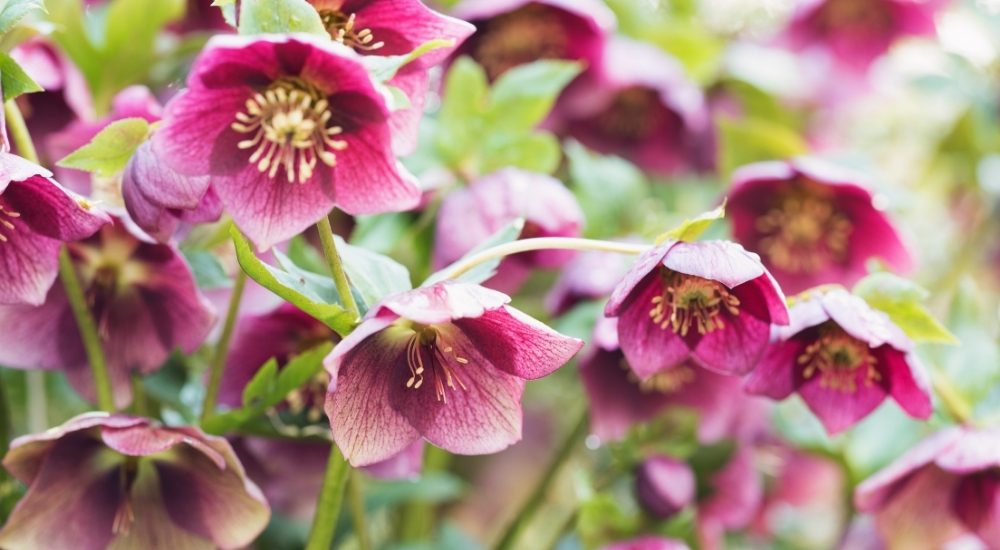
Hellebores
These early bloomers push up through frozen ground in late winter, showing off their elegant, nodding flowers when the rest of the garden is still snoozing. Hellebores love partial to full shade and are deer-resistant, making them a smart and stylish choice for woodland beds. With colors ranging from pale green to deep plum, they add grace and grit to your shady areas.
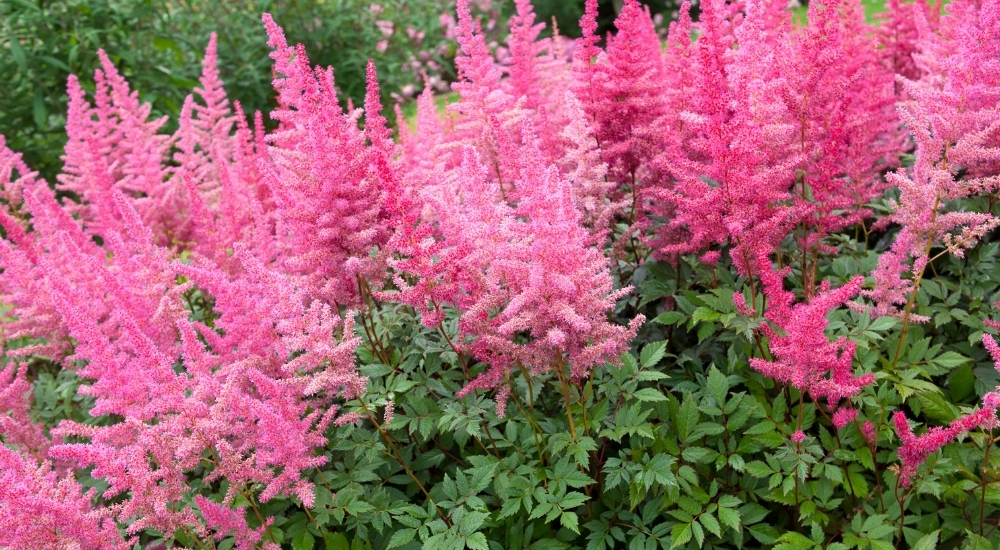
Astilbe
Astilbe is the fashion queen of the shade—feathery plumes in shades of pink, white, and red rising above finely cut leaves. It prefers moist, rich soil and a break from the afternoon sun, making it perfect for shaded Pennsylvania borders. Once established, astilbe puts on a real show, especially when planted in groups.
Ferns
Ferns are the unsung heroes of shade gardening. With their lacy fronds and prehistoric charm, they thrive in even the deepest shade, especially when the soil stays moist, and they exhale rich oxygenated air to your property. Native Pennsylvania varieties like Christmas fern or sensitive fern bring timeless texture to woodland borders or shady paths.
Solomon’s Seal
Elegant and arching, Solomon’s seal adds a graceful curve to your shade garden with its dangling, bell-shaped flowers in spring. It’s a native favorite in Pennsylvania and performs beautifully under trees or along fences. Come fall, its foliage turns golden yellow—a quiet little encore before winter.
Annuals that Bring Color to the Shade
Need some instant gratification? These annuals are here for a good time, not a long time—but they’ll brighten your shade all season long.
Impatiens
Impatiens are classic shade bloomers, beloved for their nonstop flowers in every color from bubblegum pink to coral red. They love moist, shady spots and fill containers or borders with cheerful color until frost. Bonus: they’re super low-maintenance, perfect for busy or beginner gardeners.
Begonias
With waxy leaves and soft, ruffled blooms, begonias bring elegance to your shady corners. They tolerate partial to full shade and do well in containers or garden beds. Try pairing them with ferns or coleus for a soft, layered look.
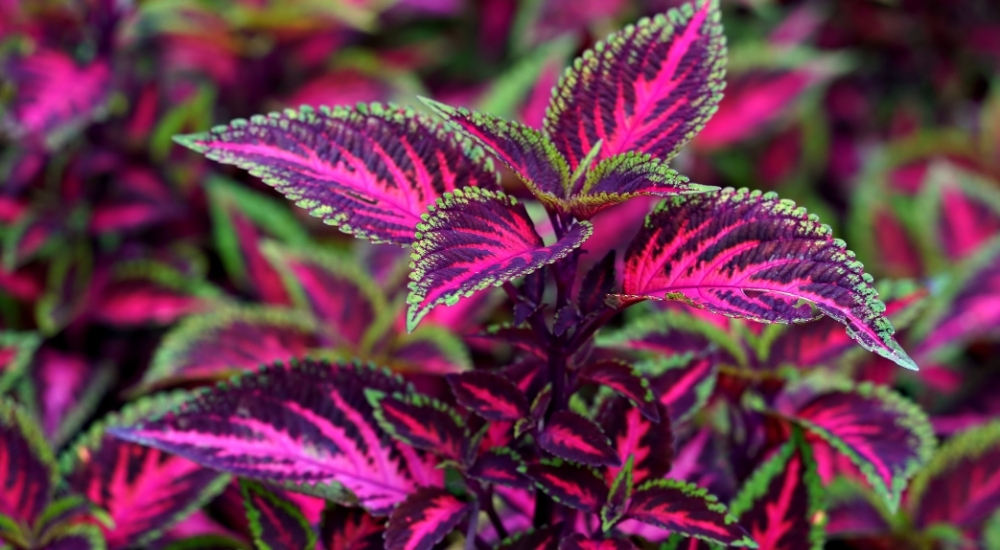
Coleus
Coleus is a foliage superstar, with colors so bold you’ll forget it doesn’t flower much. From lime green to burgundy velvet, its leaves paint your garden like a living mosaic. Mix coleus like you’re painting with foliage—no sunlight needed.
Torenia
Also called the wishbone flower, torenia thrives in full to partial shade and offers delightful trumpet-shaped blossoms in purple, pink, and yellow. It’s a hummingbird magnet and fills containers or shady ground with color and charm. Think of it as your garden’s happy little secret.
Shade-Loving Groundcovers That Fill and Flourish
Shady ground doesn’t have to be bare or boring. These groundcovers spread gently and beautifully, covering soil with a living tapestry.
Lungwort (Pulmonaria)
Lungwort is a mouthful, but don’t let the name fool you—this plant is gorgeous. It has spotted leaves and early-spring blooms in shades of pink, violet, and blue, often all on one plant. It thrives in shade, resists deer, and looks great mingling with hostas and ferns.
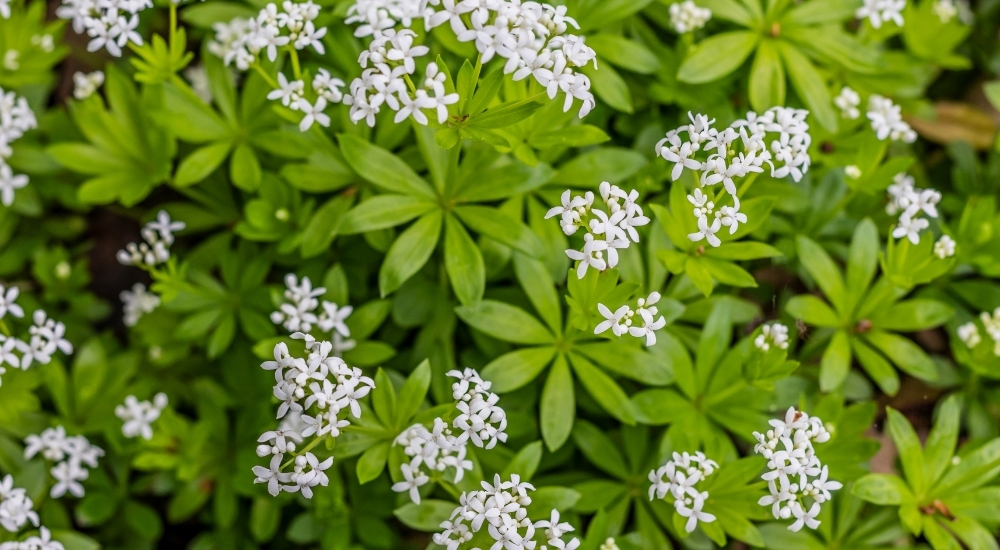
Sweet Woodruff
Sweet woodruff is as charming as its name suggests, forming a fragrant, starry-green carpet under trees or along shady paths. It produces tiny white flowers in spring and grows best in moist, rich soil. It’s perfect for that enchanted woodland vibe.
Japanese Spurge (Pachysandra terminalis)
This evergreen groundcover is as tough as it is tidy. Japanese spurge spreads reliably in dry shade, making it ideal under thirsty trees where little else will grow. Its glossy green leaves and tiny white flowers provide year-round interest.
Wild Ginger (Asarum canadense)
Wild ginger is a native gem with heart-shaped leaves and quirky little flowers hidden beneath the foliage. It thrives in full to part shade and makes a beautiful understory plant for woodsy gardens. Plus, it attracts native pollinators and suppresses weeds naturally.
Native Shade Plants for Glenside, PA
Want to plant with purpose? These Pennsylvania natives are built for shade—and they give back to the ecosystem while looking fantastic. Check out these low light native plants for your backyard garden:
Virginia Bluebells (Mertensia virginica)
Virginia bluebells are springtime showstoppers with their pink buds that open into sky-blue blooms. They thrive in rich, moist shade and die back in summer, making room for other shade lovers. Pollinators love them, and your woodland beds will too.
Foamflower (Tiarella cordifolia)
Foamflower offers frothy white blooms in spring and heart-shaped, sometimes mottled, foliage that lasts all season. It forms low-growing clumps, making it a great native groundcover. It’s perfect for adding brightness to dark corners while supporting local insects.
Mayapple (Podophyllum peltatum)
Mayapples look like little umbrellas, spreading across forest floors with charm and shade-loving vigor. Hidden beneath the leaves are white flowers that turn into golden fruit in late summer. They’re whimsical, native, and absolutely lovable.
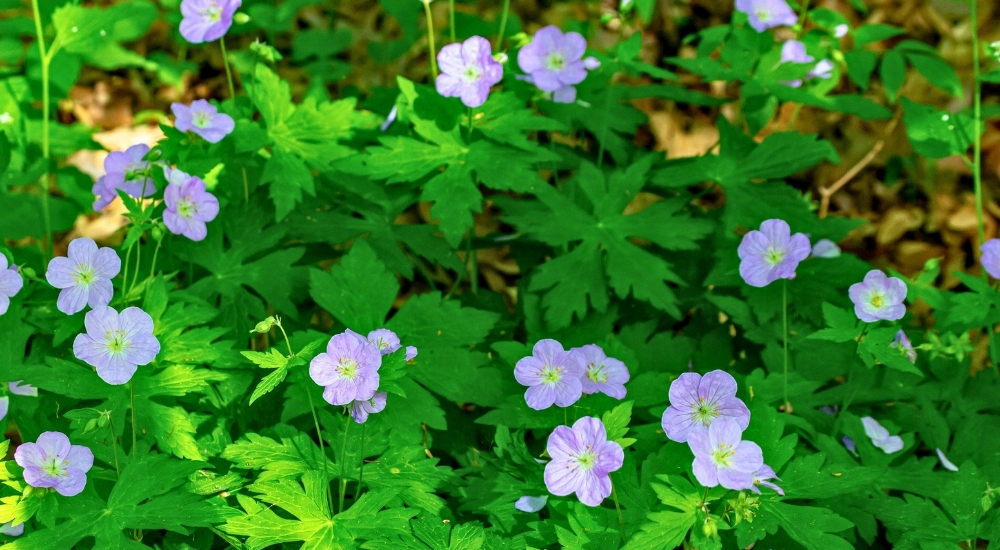
Wild Geranium (Geranium maculatum)
This hardy native blooms in soft lavender-pink from spring into early summer and attracts pollinators galore. It prefers part shade and well-drained soil and makes a wonderful addition to borders or wildflower gardens. Plus, it plays well with others—always a bonus.
Design Tips for a Stunning Shade Garden
Shade gardening isn’t just about the plants—it’s about creating a cool, inviting space that makes the most of limited light. Mix textures like broad hosta leaves with fine ferns or foamflower to create visual interest. Add vertical layers with shrubs or tall perennials like astilbe and don’t forget to carve out paths or seating nooks with decorative mulch or stone.
Play with contrast! A variegated hosta next to deep green ferns, or burgundy coleus beside bright pink impatiens, can light up even the shadiest spot. A shady corner can become your favorite garden retreat with just a few thoughtful design choices.
Embrace the Shade
Shade isn’t a flaw—it’s the perfect setting for something beautiful to grow. With the right plants, shade gardens can be as vibrant and full of life as any sunny border. So instead of cursing that tree or wall for blocking the sun, treat it as the beginning of your next garden adventure. Visit us at Primex Garden Center, explore the shade-lovers’ section, and start imagining what your cool, quiet, plant-filled oasis could become. You’re not stuck with shade—you’re empowered to make it shine with color and texture.