Bee There or Bee Square: Morris Arboretum’s Pollinator Paradise Event
September 8, 2025
Without pollinators, our agricultural and food systems would suffer severe losses and possibly even collapse.
At Morris Arboretum, visitors of all ages can enjoy Bees, Butterflies & Blooms: A Pollinator Paradise, an event that runs through September. It combines gardens, art installations, and hands-on exhibits to teach the importance of pollinators in Pennsylvania. Families, gardeners, and educators will all find practical lessons and inspiration to bring back to their homes, classrooms, and communities.
Pollinator Gardens in Full Bloom
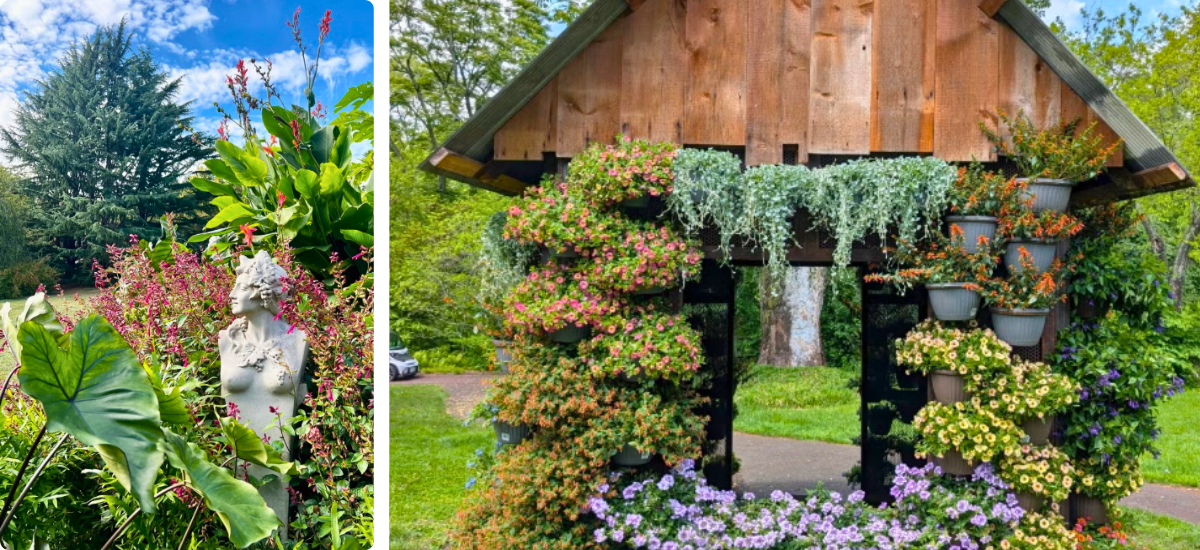
Explore pollinator gardens carefully designed with native plants that support our local bees, butterflies, and other beneficial insects. These displays are more than beautiful—they demonstrate the role of plant diversity in creating healthy habitats. Families can stroll the paths, while gardeners gather ideas to replicate similar designs in their own landscapes. Teachers will find living examples that connect directly to science lessons about ecosystems and plant life cycles.
Highlights of the gardens include:
- Milkweed, essential for monarch butterflies during their migration
- Coneflowers and goldenrod, which feed pollinators late into the season
- Native shrubs and grasses, providing shelter and year-round support
By focusing on native plant gardens in Pennsylvania, the Arboretum emphasizes sustainable landscaping choices that anyone can apply at home.
The Role of Art in Environmental Learning
Alongside the gardens, the Arboretum integrates art installations that help explain pollination in creative ways. Large sculptures and interactive displays encourage children to engage visually and physically with ideas that might otherwise feel abstract. These pieces help translate science into accessible stories, making the topic approachable for young learners.
Art here serves as both an educational and emotional bridge. It shows that conservation is not only a matter of science but also of creativity and cultural appreciation. Families leave with a stronger sense of connection to pollinators, and educators gain new strategies for teaching science through visual and experiential methods.
Hands-On Activities for Families & Educators
The Pollinator Paradise event includes interactive exhibits that encourage active participation. Children can try age-appropriate activities that explain pollination through exploration and play. Parents and teachers benefit from seeing complex ideas presented in simple, memorable ways.
Some examples of activities include:
- Pollinator scavenger hunts, helping children identify different insects and flowers
- Craft workshops, where kids create bee hotels or butterfly art to take home
- Educational demonstrations, such as flower dissections or live pollinator talks
For families searching for things to do with kids near Philadelphia, the Arboretum provides a balanced outing—both enjoyable and educational. For teachers, the event offers inspiration and ready-made lesson connections for science, art, and environmental studies.
Why Pollinators Matter in Pennsylvania
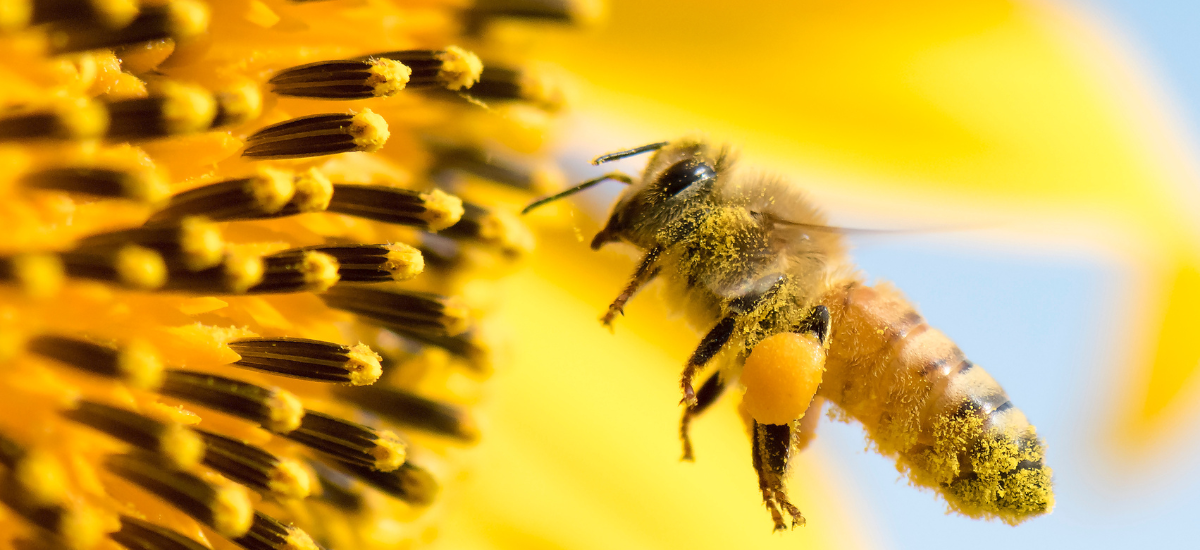
The event places a strong emphasis on why pollinators are essential to both ecosystems and food production. Bees, butterflies, and other pollinating insects are directly linked to the growth of fruits and vegetables. They provide an essential ecosystem service. Without them, our agricultural and food systems would suffer severe losses and possibly even collapse. The pollination of wild insects accounts for billions of dollars of free services, which are not accounted for in our GDP.
Pollinators are also essential to our forests, grasslands, wildlands, and ecosystems that support life in our region. Native flowering plants have evolved in a relationship to pollinators, who are necessary to help plants in reproduction. An estimated 75% of plants on Earth are pollinated by insects and animals. So, without pollinators, many local plants wouldn’t be able to reproduce. Genetic diversity would decline. Our ecosystems would degrade and collapse.
The Morris Arboretum brings these lessons home in a local way. As the season shifts into fall, pollinators in Pennsylvania prepare in unique ways:
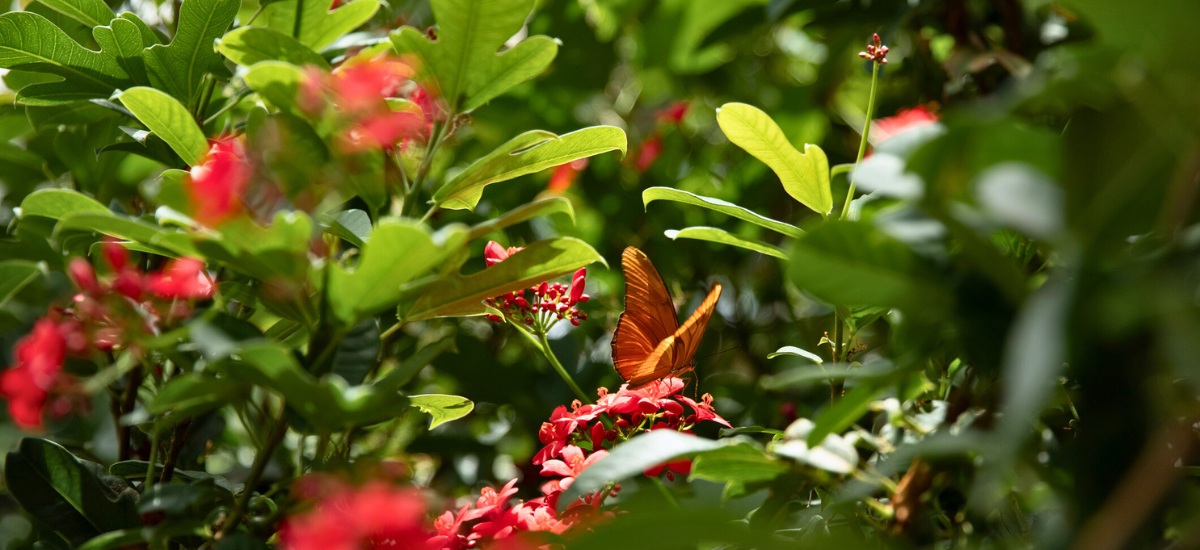
- Monarch butterflies begin their long migration south to Mexico.
- Bees build up resources for overwintering, storing food within hives or nests.
- Late-blooming flowers like asters and goldenrod provide crucial food during this transition.
By teaching these seasonal cycles, the Arboretum helps families, gardeners, and educators see how all parts of the ecosystem connect. It reinforces the message that even small actions—like planting native flowers—can support pollinator populations.
Everyday Actions to Support Pollinators
Visitors are encouraged to take lessons from the Arboretum back to their own communities. Simple steps can make a meaningful difference in supporting pollinator health.
Practical takeaways include:
- Planting native species with varying bloom times throughout the growing season, so bees always have nectar and pollen for food
- Avoiding pesticides, which harm beneficial insects as well as pests
- Providing water sources, such as shallow dishes with pebbles for bees to rest on
- Leaving natural areas in gardens for nesting sites and overwintering
Families can try starting small garden projects at home, while schools can incorporate pollinator-friendly spaces into their grounds. Together, these local actions build healthier ecosystems.
Why the Arboretum Is an Ideal Setting
Morris Arboretum of the University of Pennsylvania is uniquely suited for hosting events like this. Established as a public garden and research center, it combines horticulture, science, and education in a welcoming setting. Its 92 acres of gardens and landscapes are designed to inspire both appreciation of plants and understanding of ecological systems.
The Arboretum regularly offers seasonal programs, workshops, and exhibitions that highlight the connections between people and nature. The Bees, Butterflies & Blooms event is part of the ongoing mission to use public gardens as living classrooms. Visitors leave not only with pleasant memories, but also with actionable knowledge.
Family & Community Benefits
Events like this reach beyond the Arboretum itself. They encourage families to spend quality time together in nature while reinforcing environmental awareness. For parents looking for family activities in Glenside, PA, the Arboretum provides an experience that is enriching for children and adults.
The community also benefits. When families, teachers, and gardeners adopt pollinator-friendly practices, the results are stronger, healthier local ecosystems. Small actions spread outward—one yard at a time—creating connected corridors of habitat that support pollinators across the region. They teach us why it’s important to invest in pollinator infrastructure throughout our cities, state, and country.
Planning Your Visit
The Pollinator Paradise event continues through the end of September, giving visitors time to experience late-summer and early-fall blooms. The Arboretum recommends visiting during the morning or late afternoon hours, when pollinators are most active.
Tips for a successful visit:
- Wear comfortable walking shoes to explore the grounds.
- Bring water, snacks, or plan a picnic to extend your stay.
- Carry a notebook or camera to capture ideas for your own garden.
- Check the Arboretum’s website for program schedules and updates.
This combination of practical preparation and thoughtful planning ensures families, educators, and gardeners make the most of their experience.
Bees, Butterflies & Blooms: A Pollinator Paradise shows how gardens, art, and education can come together to highlight pollinators’ importance. Families, teachers, and gardeners all leave with ideas for supporting pollinators in their own communities. A visit to Morris Arboretum this September is an opportunity to learn, enjoy, and contribute to a healthier environment. To apply the lessons you learn there at home, visit us at Primex Garden Center. We provide many native perennials, shrubs, trees, and other resources to boost pollinators in your home garden.