Pruning Evergreen Ferns: Timing, Tips & Techniques
September 1, 2025
Evergreen ferns are the quiet heroes of a shade garden. In the summer, they bring lush leaves and drafts of fresh air. In winter, they remain green, keeping some color in the garden, and keeping our hopes alive for the spring.
As summer turns to fall, many deciduous ferns turn brown and need pruning before the winter. It may leave you wondering—should I prune my evergreen ferns as well? As you’ll see below, evergreen ferns require different care and pruning practices than their deciduous cousins.
What are Evergreen Ferns?
These are the ferns that keep their leaves throughout the winter. Like evergreen trees, they retain their foliage year-round, rather than losing it in the fall and regrowing in the spring. In Pennsylvania, popular evergreen ferns are the Christmas fern and Autumn fern. Several native species such as Marginal wood fern and Spleenwort also thrive in Pennsylvania’s woodlands, adding to wildland greenery throughout our winter. Even though many shrubs and trees get the spotlight, evergreen ferns deserve just as much attention for the year-round texture they bring to shady garden beds.
The Best Time to Prune Ferns in Pennsylvania
The best time to prune your ferns all depends on the type of fern in question: either deciduous or evergreen.
- Prune Deciduous Ferns in the Fall: Deciduous ferns need to be pruned in the fall after their leaves turn brown. Pruning the dead leaves as a pre-winter task reduces the risk of fungi and disease spreading during the cold months. It also prepares them for the spring, so that new fiddleheads can rise without obstacles.
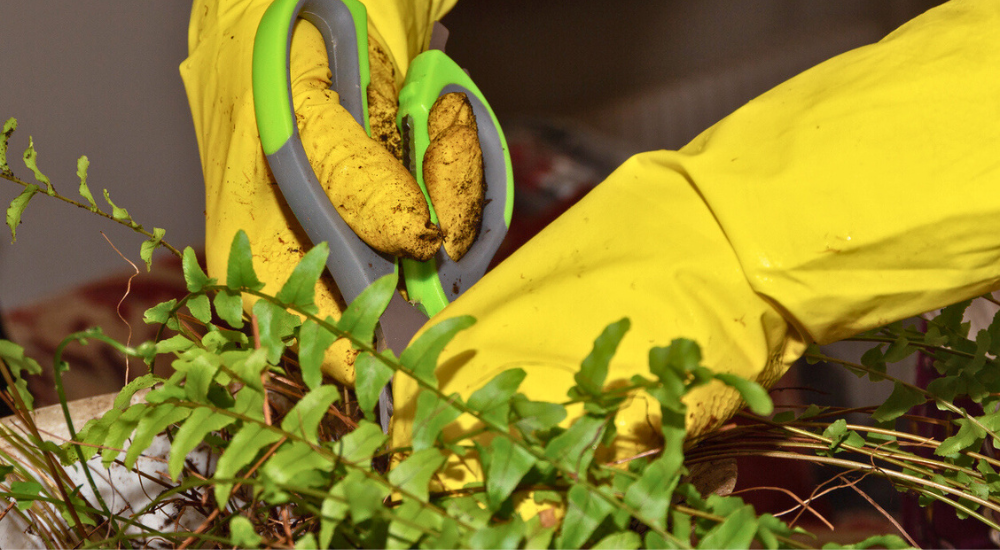
- Prune Evergreen Ferns in Late Winter or Early Spring: Evergreen ferns shouldn’t be pruned in the fall, because you absolutely want to keep those green fronds through winter. However, you can cut back any brown fronds that you see, which are part of the ongoing dying and regeneration of leaves. Instead of fall pruning, it’s a good idea to cut back evergreen ferns in the late winter or early spring.Aim to prune in the window after the cold of winter has passed, but just before the awakening of spring. Look for local cues: when snowdrops begin to bloom, it’s time to pull out the pruners. Another tip? Don’t wait until the fiddleheads (those cute, curled-up baby fronds) start unfurling. Cutting them risks snipping your fern’s future. As a rule, aim for late February to early March, and you’ll be in sync with your fern’s natural rhythm.
Why Do You Need to Prune Evergreen Ferns?
Cutting back evergreen ferns helps clear away old, tattered fronds that can smother fresh spring growth. Removing this buildup also prevents damp, decaying foliage from harboring pests or fungal diseases during the seasonal thaw. Pruning at the right time—late winter to early spring—gives new fiddleheads space and sunlight to unfurl without competition!
The result is a tidier, healthier plant that anchors your shade garden with fresh, vigorous growth each season.
How Much of the Evergreen Ferns Should You Prune?
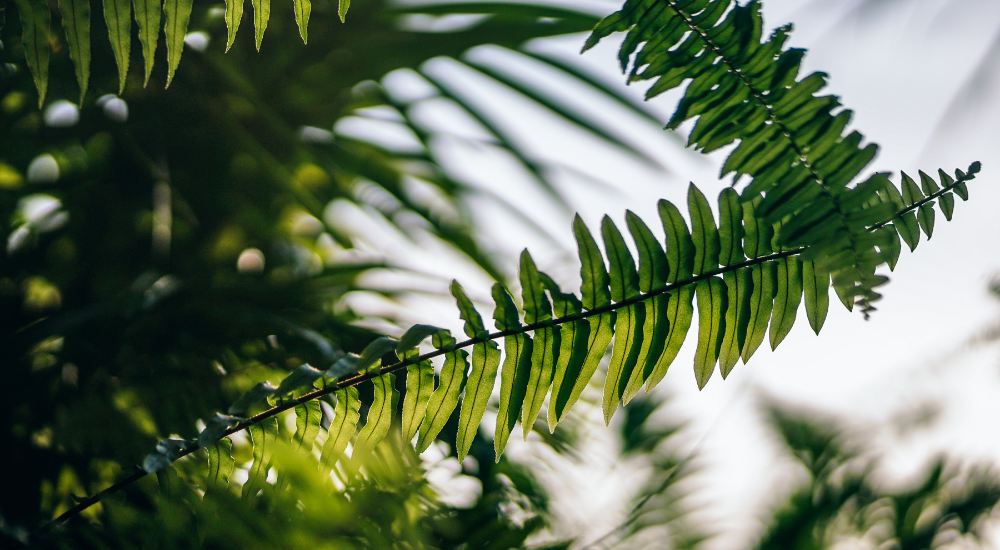
When pruning evergreen ferns, you should remove only the old, tired fronds from the previous season while leaving the crown and any new growth untouched. Cut the old fronds close to the soil line, but be careful not to slice into the plant’s central base where fresh fiddleheads emerge. Typically, this means taking off about 70–90% of the visible foliage if it’s looking ragged after the winter.
The goal isn’t to give the fern a buzz cut—it’s to clear the stage so the new fronds can shine.
Step-by-Step: How to Cut Back Evergreen Ferns Without Fear
If you’ve ever hesitated with pruners hovering above a fern, you’re not alone. Here’s the breakdown:
- Spot the old fronds. These usually look brown, floppy, or just plain tired—last season’s leftovers.
- Snip close to the base. Cut near the soil line, but avoid slicing into the central crown. That’s the fern’s heart!
- Protect the new curls. The tight little spirals peeking through? Those are the showstoppers of spring. Don’t touch them.
- Clear out debris. Old leaves, sticks, and soggy matter love to hide under ferns. Sweep them away for airflow.
- Step back and admire. You’ll instantly see a tidy, refreshed plant ready to shine.
What not to do: Don’t prune evergreen ferns in the fall just because the fronds look tired—that greenery helps protect the crown in winter. And don’t panic if your fern seems sparse post-trim; lushness always returns.
Special Notes for Common Fern Types
Not all ferns behave the same, so let’s highlight two favorites you’ll likely see in Glenside gardens.
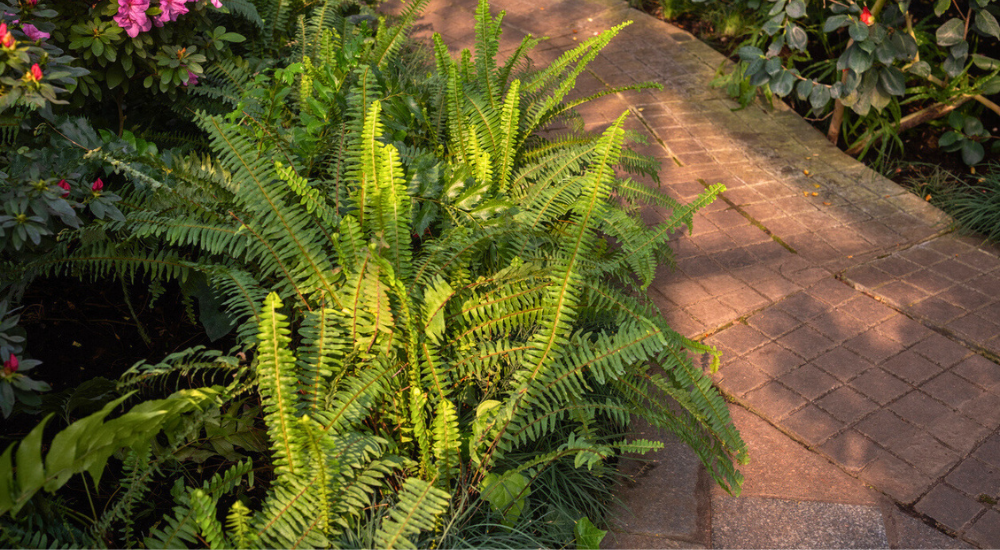
- Christmas Fern: True to its name, this fern often stays green even in December. Old fronds will flatten against the soil, making them easy to spot. Trim them away carefully so the new spring growth has room to rise.
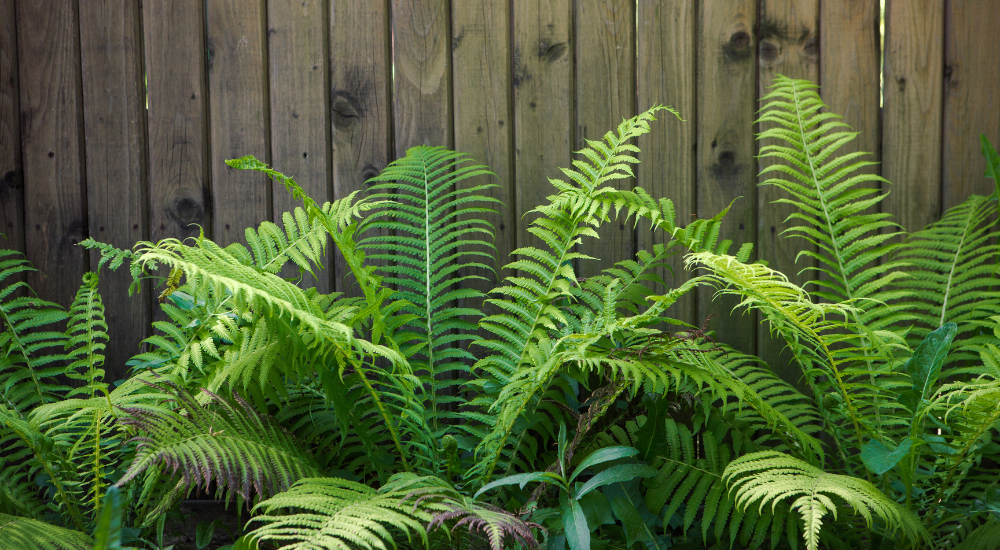
- Autumn Fern: This one plays tricks—it shifts to copper and bronze tones before fresh green fronds appear. Don’t mistake this natural color change for damage. Pruning away old foliage will let those striking spring fronds take center stage.
Both types are hardy, forgiving, and a joy once you know their quirks.
What to Expect After Pruning
Within weeks of your trim, you’ll notice tight little fiddleheads unfurling into flowy fronds. Ferns respond to pruning with fresh vigor, so expect them to fill in beautifully by late spring. Plus, the cleared ground helps reduce pests and allows neighboring plants to breathe.
There’s something satisfying about walking past a newly-pruned fern and seeing the new growth shining brightly from the shade—it’s a gardener’s reward for seasonal effort!
While many gardeners opt for boxwood or juniper in containers, evergreen ferns can also bring year-round texture and softness to shady patio corners or entryways.
Fun Facts About Ferns & Other Benefits
- They predate dinosaurs! Ferns are among the oldest plants on Earth, with fossil records dating back over 300 million years.
- Natural air filters: In addition to being ornamental, ferns help filter pollutants from the air, making them great outdoor and indoor companions.
- Wildlife helpers: Their dense fronds create shelter for small critters and overwintering insects, supporting backyard ecosystems.
- Seasonal color shifts: Varieties like the Autumn fern can surprise gardeners by turning copper or bronze before greening up again in spring.

Conclusion: A Little Snip Goes a Long Way
Ferns may look effortless, but they thrive on a bit of seasonal care. By knowing when to cut back evergreen ferns, you’re giving them a boost while also keeping your garden tidy and intentional. If you’re nervous about timing or technique, remember that ferns are forgiving. Even a slightly late trim won’t stop them from bouncing back with new fronds.
So go ahead, grab those pruners, and give your shade-loving friends a spa day. Whether you’re following Glenside gardening tips or looking for general shade garden plant maintenance, the process is simple and rewarding. With a few mindful snips, you’ll keep your evergreen ferns healthy, handsome, and ready to anchor your garden all year round. For all tools, plants, supplies, and more tips, come visit our garden center in Glenside, PA!