How to Grow Trendy with Herbs
July 15, 2024
Outdoor herbs have countless benefits for you and your garden, whether it’s their many health benefits, their versatility in companion planting, their knack for managing pests and attracting pollinators, or the simple flavor-boosting pleasure they bring to your meals. Indeed, herb gardens are a staple of our personal landscapes, and we want to help you grow a patch of these amazing little plants all for yourself! With these top tips and tricks in herb garden design, planting, harvesting, and preservation, you’ll be on your way to making fresh herbs a staple in your kitchen, garden, and life!
Glenside Herb Garden Trends
Herb gardens—both indoor and outdoor—have surged in popularity over the past few years, as people turn increasingly towards sustainable, home-grown food sources. While mainly used for cooking, this recent popularity has also given rise to a growing trend of using herbs beyond the kitchen, such as in herbal teas, natural remedies, and even homemade skincare products.

Best Herbs to Grow in Glenside, PA
Let’s kick things off with some culinary stars that are as easy to grow as they are indispensable in the kitchen:
- Basil: Basil is a staple in Italian cuisine, perfect for homemade pestos, caprese salads, or as a delightful addition to pizzas and pasta dishes. It loves full sun and well-drained soil and grows as an annual, meaning you’ll need to replant it each year. Pinch off the flowers to keep them producing their tender, flavor-packed leaves.
- Parsley: This herb is incredibly versatile; a key ingredient in many traditional Mediterranean and Middle Eastern dishes, it adds a fresh, flavor-packed punch to sides, salads, and main courses alike. It thrives in full sun to partial shade and rich, moist soil.
- Mint: Mint adds a refreshing kick to beverages, desserts, and savory dishes like lamb. It is a vigorous perennial that thrives in partial shade to full sun and is best grown in containers to prevent it from spreading uncontrollably.
- Thyme: Wonderful for seasoning meats, soups, and stews, thyme pairs especially well with chicken and fish. This perennial herb loves full sun and well-drained soil. It’s also drought-tolerant and requires minimal maintenance, making it a great ground cover for your garden.
- Rosemary: Rosemary is perfect for roasting meats and vegetables and adds a lovely earthy flavor to breads and marinades. It prefers full sun and well-drained soil. It is hardy down to -15F to -23F, so it may need protection during Glenside’s cold winters. We recommend growing it in a pot that can be brought inside when the colder weather hits.
- Sage: Sage is a classic herb for stuffing, sausages, and rich dishes like brown butter sauces. It grows best in full sun and well-drained soil and, as a hardy perennial, can handle a bit of neglect once established.

Lesser-Known Herbs to Grow
One of the joys of growing your own herb garden is that you can cultivate varieties not commonly found in your local supermarket. Experiment with your cooking this summer and discover new flavors with these lesser-known picks:
- Lemon Balm: This perennial herb has a mild lemon flavor, perfect for teas, salads, and desserts. It prefers partial shade and well-drained soil and has a tendency to spread, so consider planting it in a container.
- Lovage: This much-loved perennial herb of ancient Rome has a flavor similar to celery leaf with a tangy hint of licorice. It can be used in soups, stews, and salads and makes an excellent substitute for parsley. It thrives in full sun to partial shade and can grow upwards of six feet, so plant it in the back of your garden bed for best results.
- Anise Hyssop: This native herb has a sweet, licorice-like flavor, great for teas and baking. Plus, it’s a perennial flower that attracts many of our favorite local pollinators to your garden! Anise hyssop loves full sun and well-drained soil.
- Borage: Borage leaves and flowers have a cucumber-like flavor that makes them excellent for salads and garnishes. This annual herb prefers full sun and well-drained soil and self-seeds easily, so you’ll likely see it return year after year. It’s also another great pollinator attractor!
- Sorrel: Sorrel has a tangy, lemony flavor, perfect for soups, sauces, and salads. It thrives in full sun to partial shade and rich, moist soil and can be harvested from early spring through fall. This perennial is sure to bring a burst of new flavor to your kitchen!
While these selections are a good starting point, don’t forget about other tasty favorites like marjoram, tarragon, dill, summer savory, nasturtiums, lavender, and chives! Is your mouth watering yet?

Herb Garden Design Ideas
Designing a herb garden is a fun and creative process. Start by selecting a sunny spot, as most herbs prefer at least six hours of sunlight daily. You’ll also want to grow your garden in an accessible area close to your door, so you can easily harvest herbs for daily cooking. Incorporating a pathway around your herbs is another great way to add both practicality and aesthetic appeal to your garden, making it easier to harvest. Place highly scented plants like lavender and sage close to pathways to enjoy their scents as you move past them.
Next, arrange taller herbs like lovage and rosemary at the back, medium-sized ones like sage and thyme in the middle, and shorter herbs like parsley and basil at the front to give your garden a more dynamic appearance. Finally, consider incorporating a few container plants, especially for those herbs that like to spread, like mint and lemon balm.

Function and Flavor: Mixing Herbs with Vegetables
Integrating herbs into your vegetable beds is a smart gardening practice as many of them act as natural pest repellents, protecting your veggies from unwanted visitors. For example, basil planted near tomatoes can deter aphids, while rosemary can ward off cabbage moths. Herbs also attract beneficial insects like bees and butterflies, which help with pollination. Plus, the mix of textures, colors, and fragrances creates a more diverse and visually appealing garden.
Benefits of Mixing Herbs with Garden Perennials
Mixing herbs with other garden perennials is another shrewd gardening hack. A mixed garden is more resilient to diseases and environmental stressors, and increasing the diversity in your garden helps create a balanced ecosystem, reducing the likelihood of pest infestations. Herbs can also improve soil health by attracting beneficial microorganisms and insects.
Harvesting and Preserving Herbs 101
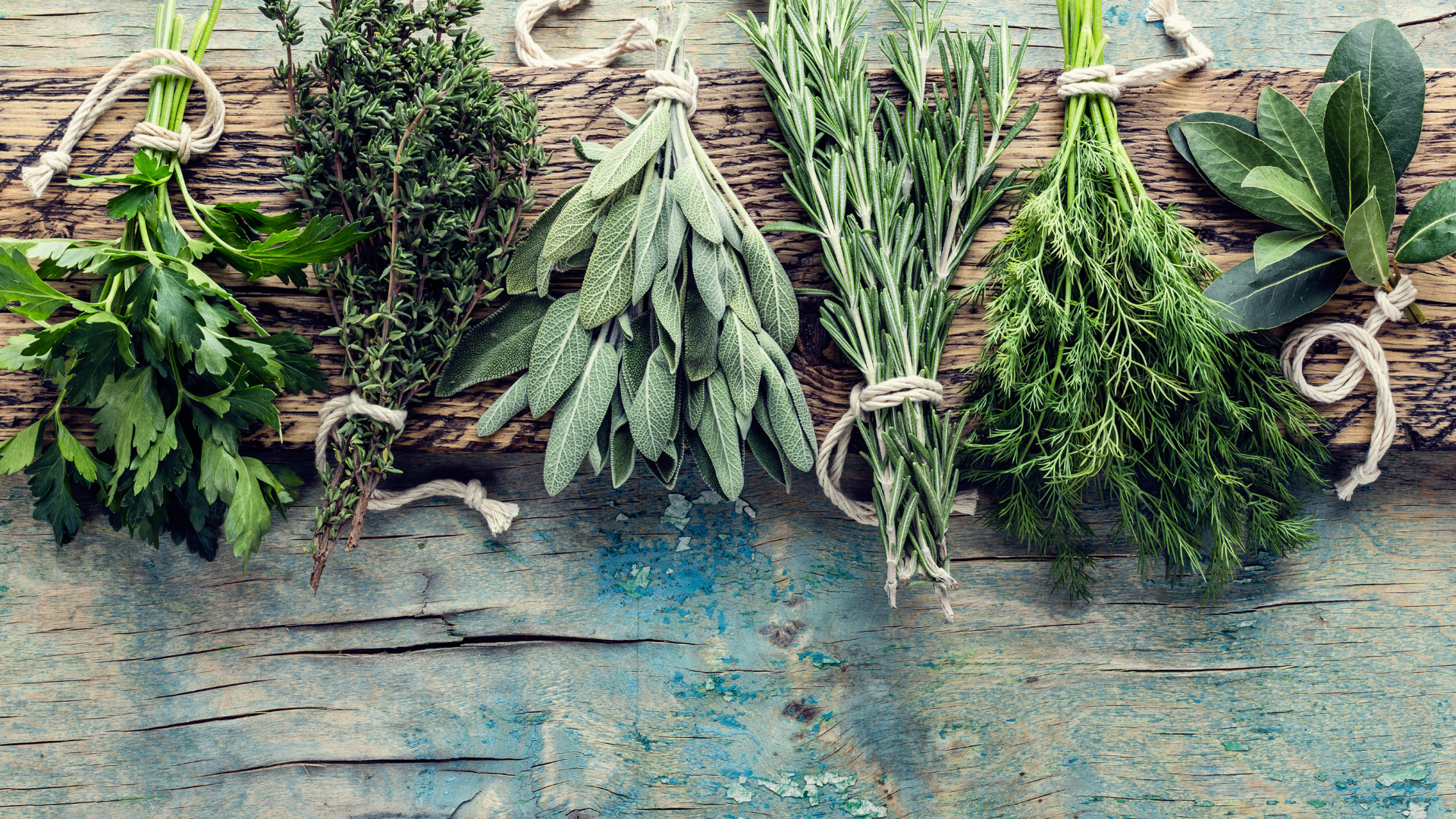
When it comes to harvesting herbs, timing is key. The best time to harvest is in the morning after the dew has dried but before the sun is too intense, as this is when their essential oils are at their peak. Use sharp scissors or pruning shears, taking care not to remove more than one-third of the plant at a time.
To preserve your herbs, dry them by hanging bundles in a cool, dry place or by using a dehydrator. Freezing is another excellent method: simply chop up your herbs and freeze them in ice cube trays with a bit of water or olive oil. This way, you’ll have fresh-tasting herbs all year round!
Whether you’re a seasoned gardener or a home cook looking to try something new, growing your own outdoor herb garden offers an ecosystem of benefits for your kitchen, garden, taste buds, and quality of life! As every chef knows, fresh herbs are a secret to bringing your cooking to another level. They’re also packed full of nutrients that boost your health and mood. What’s more, they’re often easy to grow and incredibly drought-tolerant. Come get to know garden herbs a little better in person at our local garden center, and fall in love with these fragrant plants today!