A Guide to the Winter Shift in Houseplant Care
December 4, 2023
A few changes in your care go a long way to helping your houseplants thrive during the winter—when you give your plants more gifts, they have more gifts to offer you.
While all the trees outside are enjoying their relaxing winter hibernation, our house plants are busy picking up the slack, literally breathing life into our homes and giving us fresh air, beauty, and peace of mind. However, just like all other plants, they’re not immune to winter’s seasonal changes, and keeping them happy, healthy, and vibrant during Pennsylvania’s colder months requires making a few tweaks to their usual care routine. Here’s everything you need to know about adjusting your houseplants’ humidity, light, water, and feeding care to help them thrive this winter!
Winter Rest: Understanding Dormancy in Houseplants
Like the trees outside, many indoor plants also go dormant during the winter; the lack of sunlight and drier air tell them to stop growing and instead focus their energy on strengthening their roots and trunks. During this rest period, you don’t need to water your plants as much or fertilize them at all, as they’re quite content snoozing the winter away, waiting until the sun returns in late February or early March. This care rule doesn’t apply to all houseplants, however, as some low-light plants, like Snake Plants or Prayer Plants, don’t mind the dimmer conditions and keep growing in their slow, steady way. Likewise, holiday plants, like the Christmas cactus, put on their finest displays during the winter, requiring steady care.
The key takeaway here is that dormancy doesn’t happen to all plants, so if you want your houseplants’ winter care to be truly tailor-made, make sure you research their individual seasonal patterns. After all, time spent getting to know your plants is always worthwhile!
Winter Lighting Strategies for Indoor Plants
With winter comes more darkness, leaving our houseplants with less of the sun’s vital energy. Northern windows become even dimmer, and what may have been a prime plant location with full sun may suddenly become spotty, offering nothing more than dappled light. Fortunately, there’s an easy care solution: simply move your plants to a brighter spot. This could be as simple as scooching them closer to the window, or it could involve moving them to a new, sunnier south, east, or west-facing view. If necessary, you can also boost your houseplants’ intake of rays with an indoor grow light. Yellowing leaves and leaning are both ways your plants tell you they need more sunshine, so pay attention to what they’re saying and adjust as needed.
Water Care for Houseplants During Winter
We all know how important it is to regularly water our houseplants, and that importance doesn’t change when the temperature drops. However, winter does change our indoor climate in certain ways, forcing us to adjust our plants’ care accordingly.
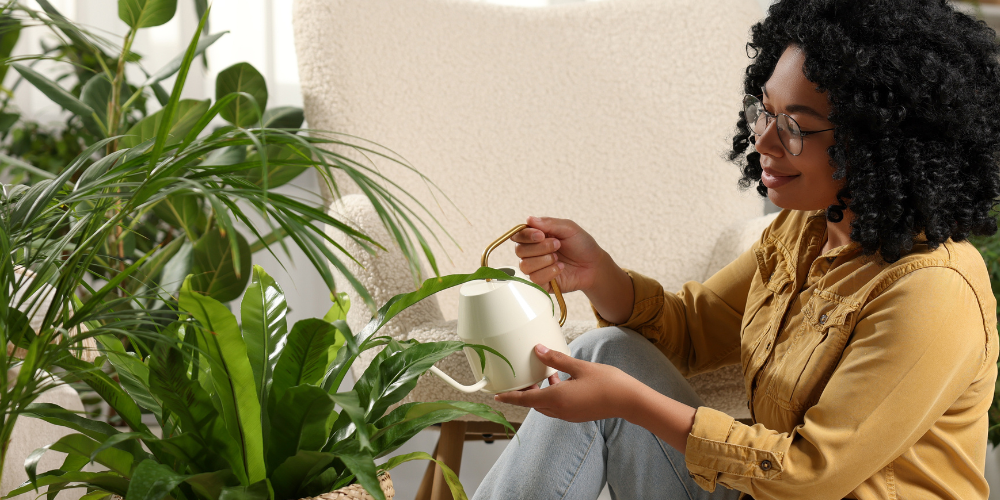
Simply put, houseplants generally need less water in the winter. Less sunlight—plus a natural dormant period—means they grow less during the winter, meaning they don’t need as much water. However, our increased use of indoor furnaces during the colder months and the extra heat they bring complicate things slightly; indoor heat dries plants out more easily, adding a small stitch to our seasonal shift.
The way around this watering conundrum is to simply pay attention to your plants. Even if their soil’s surface looks dry, there may be sufficient water below, so probe it regularly with your finger and establish a new watering routine based on your houseplants’ winter drinking habits. By and large, you can expect to water most of them less frequently, but do your homework and be a good plant parent by adjusting your care according to your plants’ unique needs.
Fertilizing Indoor Plants During the Winter Months
Fertilizing your plants during the winter isn’t generally necessary since they’re not growing as much. As a result, we recommend holding off on the fertilizer until you begin noticing changes as the sunlight starts to return in late February and March. When you see new growth on their leaves or notice they’re getting thirstier, it’s a sign that your plant is starting a new season of growth and that it’s time to resume your regular fertilizer care.
Humidity Changes During the Winter
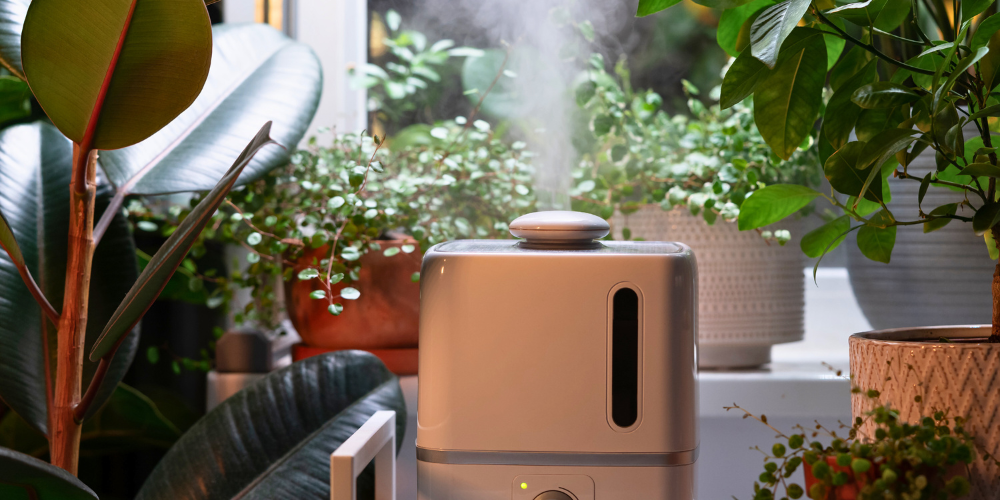
Once the furnace kicks in, the humidity inside our homes can drop by 50 percent or more, quite a dramatic shift for tropical houseplants accustomed to the dewy air of rainforests. If you notice dry edges on any of your plants’ leaves, it’s a cue to boost their humidity. To do this, group them together so they can share each other’s transpiration, place them on top of a tray of pebbles and water, mist them daily, or buy a humidifier for your home.
Do’s and Don’ts of Winter Houseplant Care in Pennsylvania
Here are a few more quick care tips to help your houseplants through our quickly approaching Pennsylvania winter:
Do: Look for signs of lack of light and move them to a sunnier spot if needed.
Don’t: Neglect the seasonal changes of the winter sun.
Do: Adjust your watering routine to account for less growth and drier air during the winter months.
Don’t: Overwater your plants while they are dormant.
Do: Wait to fertilize your houseplants until they start growing again in the spring.
Don’t: Fertilize them while they are resting during the winter.
Do: Boost your plants’ humidity levels with pebble trays, misting, or a humidifier.
Don’t: Let your plants dry out unnecessarily due to winter dryness.
Do: Take the time to understand your plant’s unique winter needs.
Don’t: Assume all your plants have the same seasonal care patterns or needs.
At the end of the day, many houseplants are resilient and will survive even when faced with less-than-ideal conditions. With that said, a few simple changes in your care go a long way to helping your houseplants thrive during the winter months. When you give your plants more gifts, they have more gifts to offer you.
For more advice on winter houseplant care for specific plants, please stop by and visit us at our garden center in Glenside, PA!