Playing It Cool: How to Protect Your Garden From Frost
September 21, 2023
Don’t let the frost sneak up on you!
As autumn temperatures continue to steadily cool, it doesn’t take much for dew to turn into frost, and a change of just a few degrees overnight can spell disaster for any fall garden. However, with the following tips and tricks, we can protect our plants and prolong our gardening season well into winter!
When Does the First Frost Usually Hit Glenside?
In Glenside, our first frost typically occurs around October 25th, so keep an eye on the weather forecast as temperatures drop in October. Pay particularly close attention to overnight lows and frost advisories. If you find the cold air biting at your skin, it’s a pretty good sign that Jack Frost will be paying you a visit sometime soon.
Which Garden Plants Need Protection from Frost?
Before you can start protecting your garden from frost, you need to know which of your plants need protecting in the first place. After all, many perennials, shrubs, trees, and even some vegetables won’t be affected by frost. Here are the plants in your garden that will require special attention as the temperature drops:
- Tender Annuals: Plants like marigolds, zinnias, impatiens, and petunias are so susceptible to frost that even a light glaze can kill and damage these annuals. If you want them to keep blooming in your fall pots, you’ll need to cover them or move them inside overnight.
- Tropical Plants and Tender Bulbs: Any plants native to tropical regions, such as hibiscus, bougainvillea, or banana plants, should be protected from frost, as well as plants that are not hardy to our growing zone, including dahlias and cannas.
- Tender Herbs: Many herbs, including basil, cilantro, and parsley, are sensitive to frost. If you want to enjoy a fresh herb garden past October, protect these plants by moving them indoors.
- Frost Tender Vegetables: Warm-season vegetables like tomatoes, peppers, cucumbers, and squash are not friends with frost. A light touch from Jack can easily kill them and ruin their fruit.
Which Vegetables Can Withstand Frost
On the flip side, these are the plants you don’t need to worry about when Jack Frost comes to town:
- Semi-Frost Hardy Vegetables: Some vegetables can withstand a light frost without suffering damage, including carrots, beets, radishes, cauliflower, lettuce, chard, spinach, onions, and peas. They survive a few degrees below freezing, but need protection when overnight lows reach 28ºF.
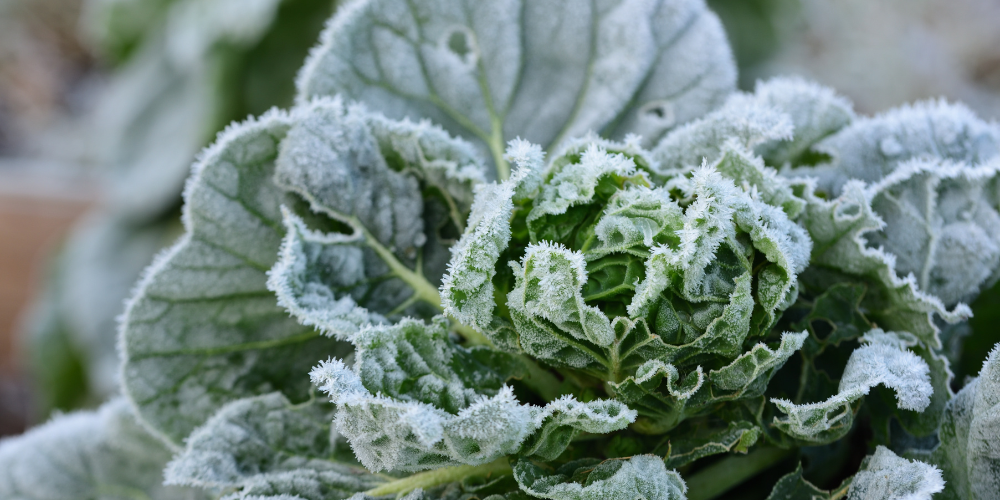
- Frost-Hardy Vegetables: Tougher, cool-season vegetables, including cabbage, Chinese cabbage, broccoli, Brussels sprouts, kale, kohlrabi, and turnip, are incredibly comfortable staying outside on frosty nights. In fact, frost causes them to send sugar to the leaves, making them extra sweet after a cold night. They’ll remain intact as long as temperatures stay above 24F.
How to Protect Your Garden from Frost
Protecting your garden from frost requires many preparations and key tasks that need to be carried out well in advance. To help you out, here’s a checklist of everything you’ll need to do to keep your vulnerable plants safe and warm on chilly nights:
Harvest Vulnerable Vegetables in Advance
Prepare for frost by harvesting whatever garden bounty you already have. Make sure to pick all your ripe tomatoes, cucumbers, peppers, and green tomatoes if you’re not planning on covering them. Even if you do cover your crops, it’s still a good idea to pick what’s ripe to reduce the risk of loss.
Transition Your Houseplants Back Inside
Any plants you brought outside for a summer vacation need to be moved back inside before temperatures dip below 50ºF. Start your transition early to give them an appropriate adjustment period, like hardening off, but in reverse.
Cover Vulnerable Plants Overnight
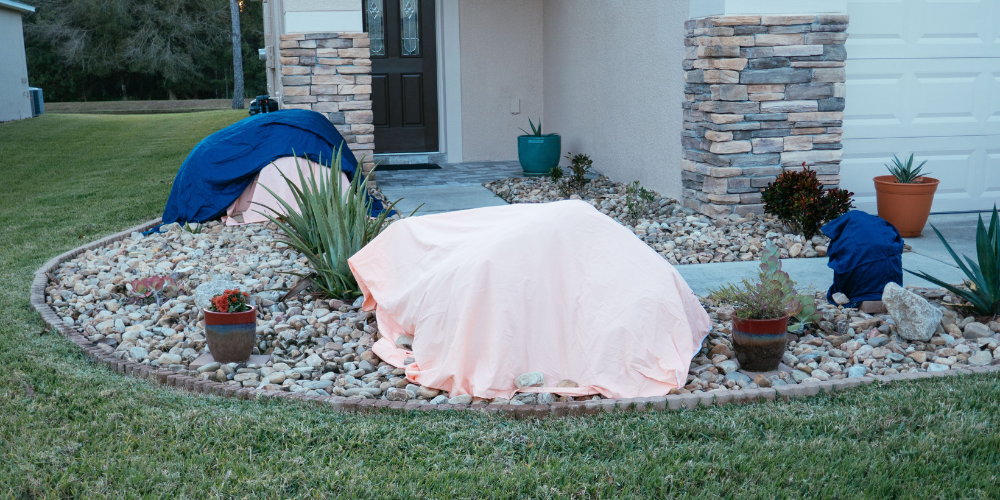
If you want to extend the lifespan of your tender vegetables and annuals, cover them overnight with a tarp or bed sheets. Raise the covering so no part of the plant is touching them, and secure the bottoms to the ground so no frost can enter underneath.
How to Dig Up and Store Tender Bulbs
You can overwinter tender tuberous plants and bulbs—such as dahlias, cannas, and colocasia—inside by digging them up after frost kills their foliage but before the ground freezes. Here’s how to do it right:
- Dig up tubers, brush off the dirt, and discard any damaged parts.
- Cure them by air-drying for a few days in a cool, dry place like a garage or shed.
- Place them in a cardboard box full of sawdust, peat moss, or vermiculite for insulation and moisture retention. Ensure that no bulbs are touching.
- Store your box in a cool, dark, unheated basement or root cellar, checking them periodically for signs of excess drying or rotting. Adjust moisture as needed.
- Replant in the spring, right around the last frost date.
More Frost Protection Methods for Pennsylvania Gardens
Here are a few more ways you can extend your garden’s growing season this fall:
- Row Covers: Row covers are like miniature hoop houses low to the ground. Consisting of hoops and a plastic or fabric covering, they are a semi-permanent garden cover that extends your growing season beyond the first frost.
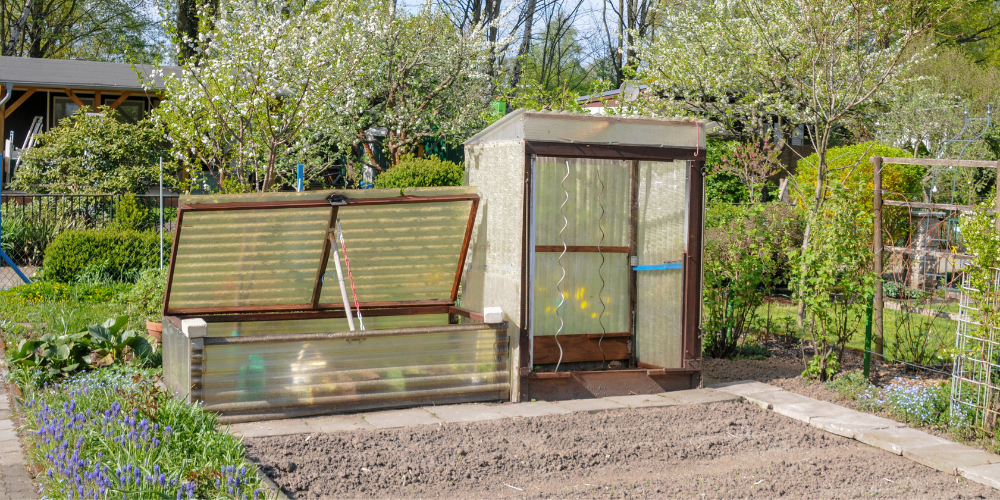
- Cold Frames: Cold frames are small wooden boxes that you build on top of your beds or in a separate bed of their own. Their glass or plastic windows act like a miniature greenhouse to keep your vegetables cozy and extend your growing season.
- Greenhouses: You don’t have to be a serious gardener to use and enjoy a greenhouse in your yard. These simple structures extend the growing season in the spring and fall, protect your vegetables against storms, and give you more vegetables to enjoy.
- Warm Water Jugs: On those extra chilly nights, you can place warm jugs of water inside your row covers, tarps, or greenhouses as a radiate heat source for your plants.
By following these methods, you can keep snacking on tomatoes, fresh salads, and herbs well past the first frost. Just remember to remove the coverings in the morning when the sun heats up your garden again. For more advice on protecting your garden from frost, don’t hesitate to come by our independent garden center in Glenside, PA!