Meet the Houseplants Getting All the Hype at Primex
January 5, 2026
These plants have become cherished companions thanks to their striking looks, forgiving nature, and unique personalities.
If you’re looking for easy-care houseplants, come notice the buzz around our staff-picked favorites. We’re grateful for our skilled, hard-working staff who nurture these beauties with constant care, and we want to share their top plant picks with you!
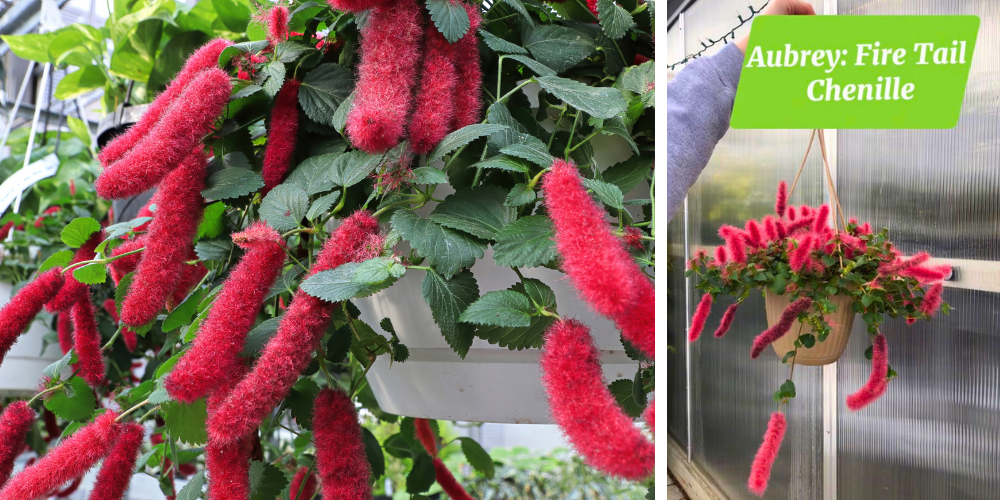
Aubrey’s Favorite: Fire Tail Chenille
What is a Fire Tail Chenille?
A Fire Tail Chenille (Acalypha hispida) is a tropical houseplant known for its long, fuzzy red flower “tails” that hang from lush green foliage. Those fuzzy blooms are technically catkins, and they look like red pipe cleaners dangling off the stems. This plant thrives when given warmth, moisture, and bright filtered light. In the right conditions, it blooms heavily and becomes a real showstopper.
What Makes This Plant So Loveable?
People fall hard for this one because it looks like it belongs backstage at a Broadway production—bold, dramatic, and loaded with flair. It’s not shy and definitely doesn’t blend into the background. Its plush red tails seem almost alive, like miniature creatures caught mid-swish. If you love a plant that sparks conversation, Fire Tail Chenille is ready for you.
Care Tips and Tricks
Keep the soil consistently moist but never swampy; think of it as a thirsty performer who hates soggy shoes. Provide bright, indirect sunlight to support bloom production—direct sun scorches, but low light disappoints. It loves humidity, so bathrooms or pebble trays make it extra happy. A monthly fertilizer feeding during the growing season keeps those dramatic blooms coming.
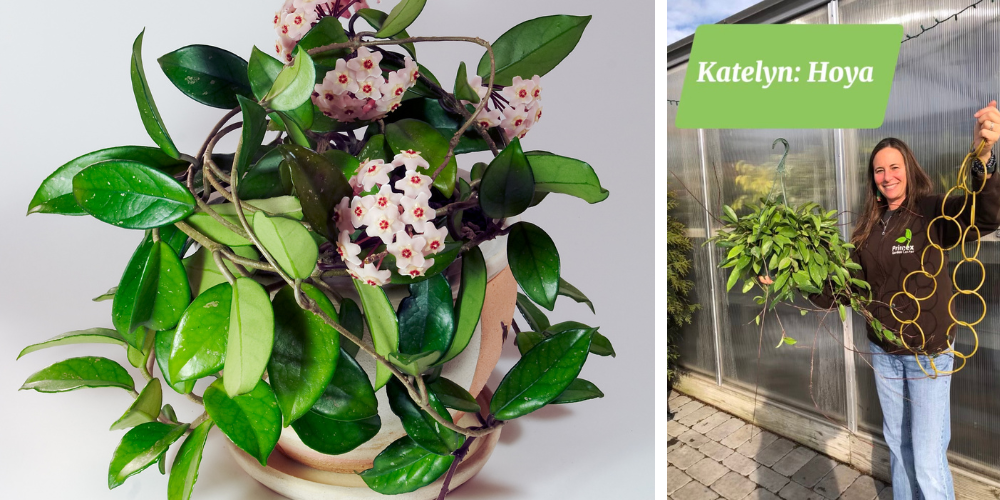
Katelyn’s Top Pick: Hoya
What is a Hoya?
Hoya, also known as Wax Plant, is a slow-growing vine with thick, waxy leaves that store water. Some varieties produce clusters of star-shaped flowers that look like candy crafted from porcelain. Hoyas are epiphytes, meaning they cling to trees in nature rather than soil, which explains why they love well-draining mixes. They can live for decades, sometimes passed down through generations.
What Makes This Plant So Sought-After?
Collectors adore Hoyas because each species feels like its own delightful surprise—some leaves curl, some splash with silver, some form twisted ropes. Waiting for a bloom can feel like watching a mystery unfold. Once those blooms appear, the fragrance alone makes the journey worth it. And the plant’s slow growth means it stays manageable without constant pruning.
Care Tips and Tricks
Let the soil dry between waterings because the thick leaves act like built-in water bottles. Give the plant bright filtered light and a pot with good drainage to avoid root rot. Resist the temptation to repot frequently—Hoyas like being a little root-bound. If you want blooms, provide consistent light and stable temperatures to keep the plant from sulking.
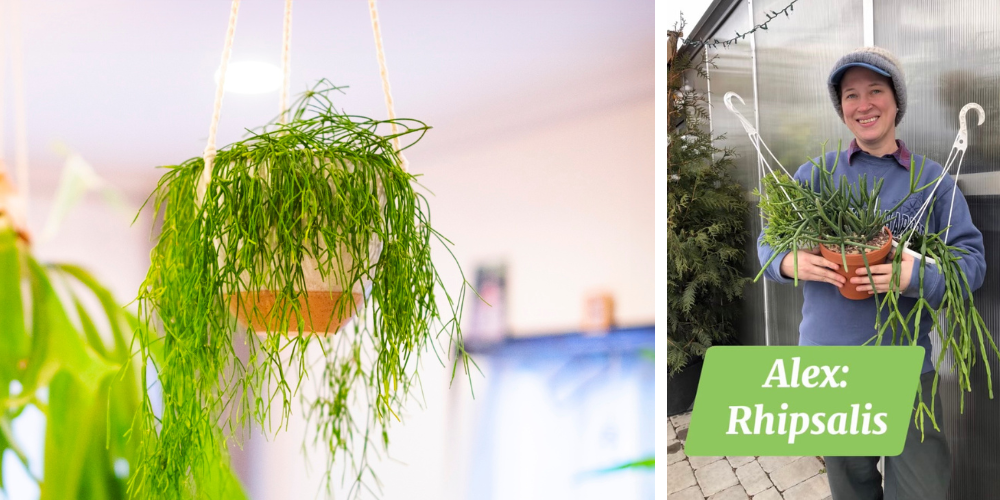
Alex’s First Choice: Rhipsalis
What is a Rhipsalis?
Rhipsalis is a type of tropical cactus with long, trailing stems that resemble strands of green spaghetti. It naturally grows on trees in rainforests rather than in hot, sandy deserts. Instead of sharp spines, its stems are soft to the touch and subtly segmented. When it matures, it may produce tiny berries or flowers that look delicate and ethereal.
Why Is This Plant Turning Heads?
This cactus has a big personality without the sharp edges—literally. It brings effortless cool to a windowsill with its cascading structure, but it doesn’t shout for attention. It pairs perfectly with modern, minimalist, or boho interiors while adding a touch of natural movement. And it’s different enough to impress guests who think they’ve seen every houseplant trend.
Care Tips and Tricks
Avoid direct sunlight because the stems sunburn faster than a tourist on the first day of vacation. Provide a well-draining potting mix since the roots need air circulation. Water lightly when the surface feels dry, and increase humidity if the stems look shriveled. A hanging basket or high shelf gives it space to stretch and dangle freely.
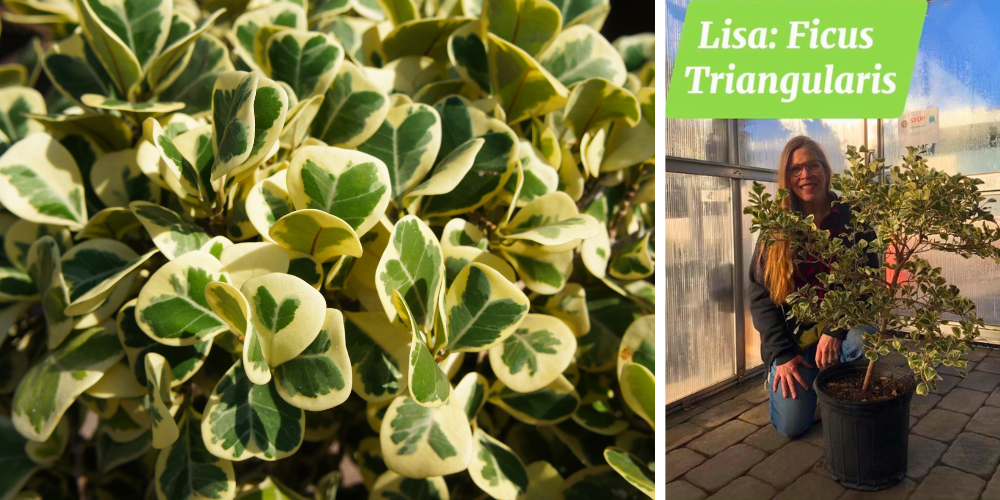
Lisa’s Top Plant: Ficus Triangularis
What Is a Ficus Triangularis?
This striking houseplant is named for its glossy, triangle-shaped leaves. Native to tropical Africa, it grows as an upright shrub or small tree indoors, developing woody stems and a structured, architectural look. The leaves are thick and slightly waxy, often edged with creamy variegation that adds brightness without overpowering the plant’s clean lines.
Why Ficus Triangularis Is So Popular
People are drawn to the Ficus triangularis for its sculptural presence and refined appearance. It adds height and structure to a room, making it a favorite for corners, entryways, and statement planters. The unique leaf shape feels modern and distinctive, while the plant itself remains calm and uncluttered—perfect for those who love greenery with a polished, design-forward feel.
Care Tips and Tricks
Ficus triangularis prefers bright, indirect light and consistent care. Water when the top few inches of soil feel dry, and avoid sudden changes in light or temperature, as ficus plants appreciate stability. A well-draining potting mix and good drainage are essential. Once settled in the right spot, this plant rewards patience with steady growth and long-term beauty.
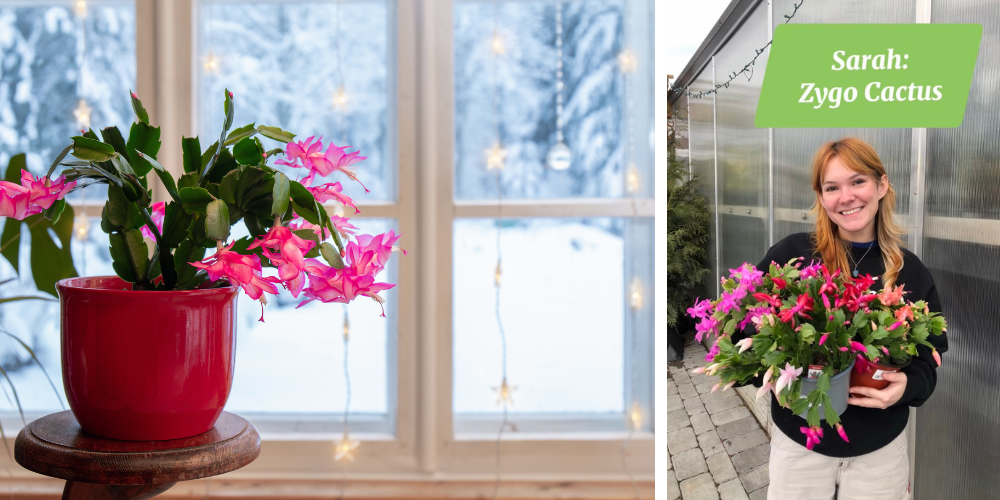
Sarah’s Best Plant-Friend: Zygo Cactus
What is a Zygo Cactus?
Zygo cactus, also known as Christmas or Holiday Cactus, is a winter-blooming succulent with segmented stems and bold, tubular flowers. Unlike desert cacti, it evolved in humid forests and appreciates moisture and humidity. Its blooms appear when daylight shortens, making it a seasonal star in many homes. Families often pass down cuttings for generations.
Why is This Plant So Desirable?
Few plants deliver midwinter cheer like a Zygo exploding with jewel-toned blooms. It’s a sentimental favorite because it shows up during the holidays—right when people crave color and warmth indoors. Watching buds form and open feels like a countdown to celebration. And with a little patience, it blooms reliably year after year.
Care Tips and Tricks
Place in bright indirect light and water when the soil dries slightly; think “moist but not mushy.” To encourage blooming, provide cooler nighttime temperatures and shorter daylight hours starting in early fall. Avoid moving the plant after buds form or it may drop them in protest. A little fertilizer in spring and summer supports the next season’s floral fireworks.
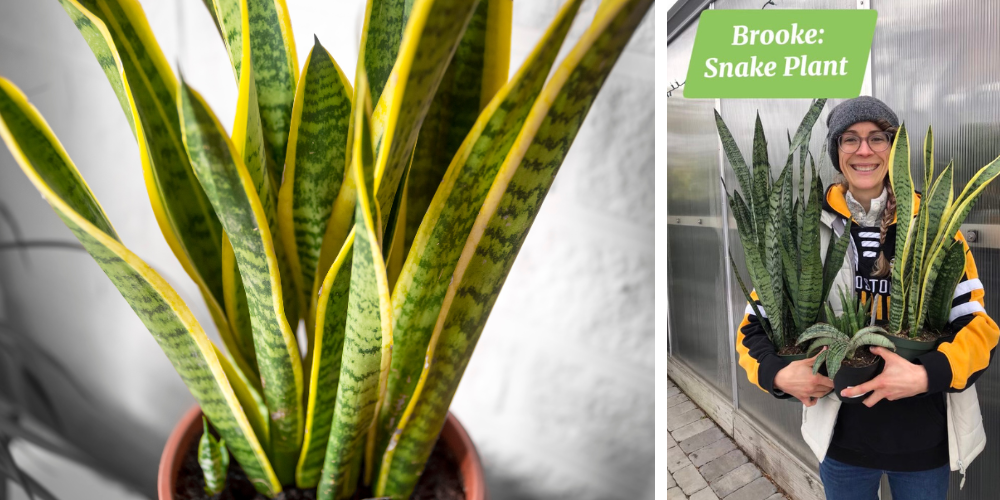
Brooke’s Favorite: Snake Plant
What is a Snake Plant?
The Snake Plant features tall, upright, sword-shaped leaves lined with graphic variegation. It’s one of the most iconic low-maintenance indoor plants in the world thanks to its tolerance for low light, drought, and neglect. Snake Plants grow in clumps, slowly adding new shoots and spreading outward. Some varieties have wide green leaves, while others twist into spear-like shapes.
Why Do People Love Snake Plants?
If plants had personalities, the Snake Plant would be the no-nonsense friend who always shows up on time and never complains. It looks refined without needing constant attention, making it great for people who travel or forget to water regularly. The upright form makes a striking contrast with trailing or leafy plants. And it’s excellent for offices, bedrooms, and apartments.
Care Tips and Tricks
Water sparingly—seriously, less than you think. This plant stores moisture in its leaves, so wet soil leads to rot faster than you can say “overwatered.” Allow the soil to dry fully between waterings and provide moderate to bright indirect light. In low light, growth slows but doesn’t stop entirely, which is why it’s considered one of the best beginner-friendly houseplants.
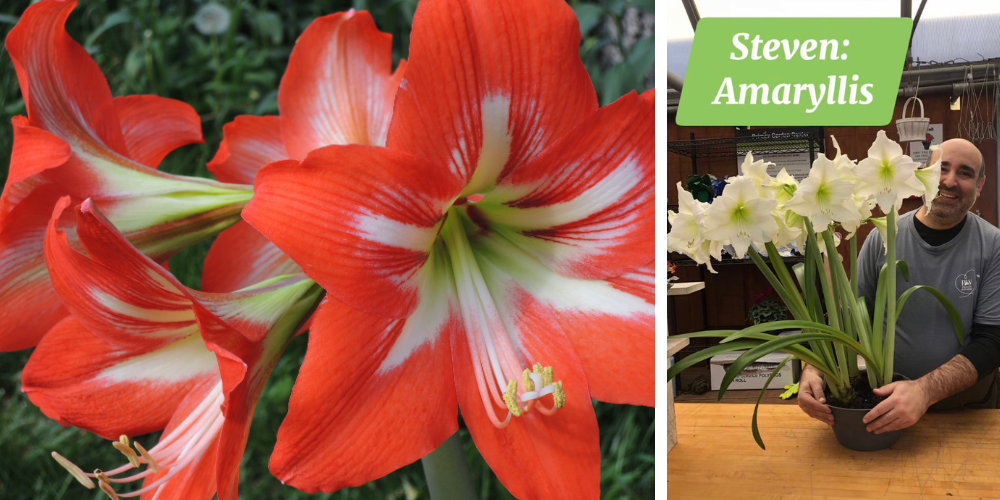
Steven’s Stand-Out Plant: The Amaryllis
What is an Amaryllis?
This bold, bulb-grown houseplant is known for its large, trumpet-shaped blooms and dramatic presence. Each sturdy stem rises straight from the bulb, topped with oversized flowers in shades of red, white, pink, coral, or striped combinations. Despite its show-stopping look, amaryllis is surprisingly simple, growing and blooming indoors with minimal effort.
Why Amaryllis’ are So Popular
Amaryllis is loved for the way it transforms a space almost overnight. Watching the thick stalk emerge and stretch taller each day feels exciting, especially during the darker months when color is scarce. Its blooms are long-lasting, eye-catching, and elegant, making it a favorite for brightening homes, gifting, and creating a statement without a lot of upkeep.
Care Tips and Tricks
Place your Amaryllis in bright, indirect light and rotate the pot occasionally to keep the stem growing straight. Water sparingly at first, increasing slightly once growth appears, and always allow excess water to drain. After blooming, keep the leaves growing to recharge the bulb—this sets the stage for future flowers. With proper care, amaryllis can bloom again year after year!
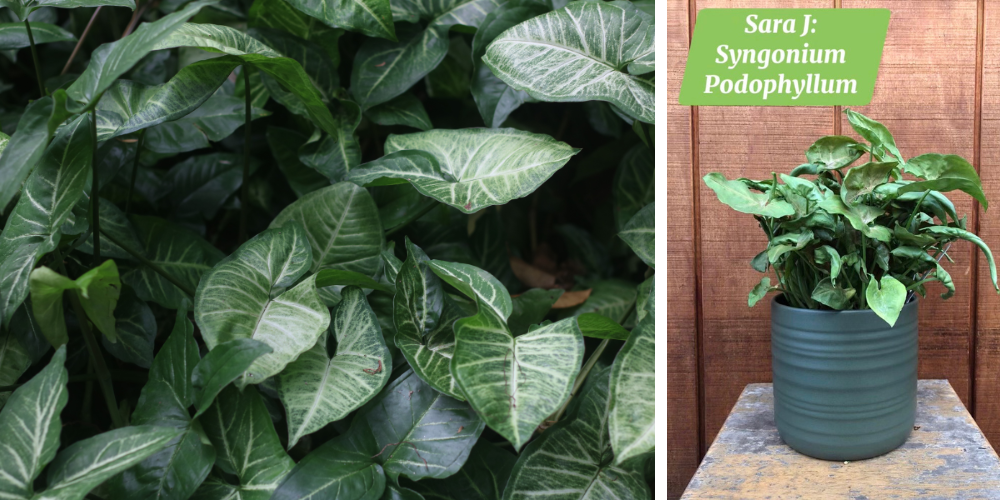
Sara J’s Preferred Plant Pick: Syngonium Podophyllum
What is a Syngonium Podophyllum?
The Syngonium podophyllum is a versatile tropical houseplant known for its arrow-shaped leaves and adaptable growth habit. Native to Central and South America, it begins as a compact, bushy plant and can eventually trail or climb as it matures. Leaves range from soft green to variegated blends of cream, pink, or silver, making each variety feel a little different from the next.
Why Staff Love This Plant
Syngonium earns high praise from our team because it’s both stylish and forgiving. It brings instant life to shelves, desks, and plant stands without demanding constant attention. The changing leaf shape as the plant matures adds a sense of movement and personality, and the wide range of colors means there’s a Syngonium for nearly every home and design style.
Care Tips and Tricks
This tropical plant prefers bright, indirect light but adapts well to medium light conditions. Water when the top inch of soil feels dry, and avoid letting the plant sit in standing water. It appreciates higher humidity but does just fine in average household conditions. Occasional pruning helps maintain a fuller shape, and a well-draining potting mix keeps roots healthy and happy.
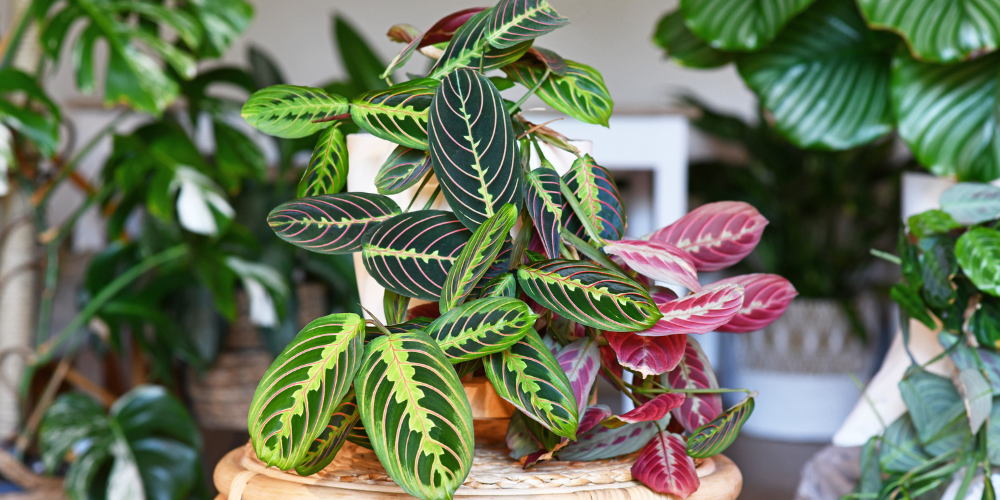
Finding Your Own Houseplant Treasure
Choosing a houseplant isn’t like picking up an ordinary item on your shopping list. It’s more like meeting new friends who you’ll get to know over time. Each one has a unique character, special care requirements, and comes from distinct regions around the world. As you care for them, you form a relationship and gain a new appreciation for the diverse, beautiful world these plants come from.
Whether you’re drawn to a dramatic bloomer or a stoic succulent, these favorites show how delightful the world of houseplants can be. They’re reliable companions, suitable for new growers seeking easy care houseplants, seasoned collectors, or anyone looking to brighten their space. Come visit us at Primex Garden Center in Glenside, PA, explore these low-maintenance indoor plants, and bring home a leafy friend that inspires you!