Best Shade Plants for Pennsylvania
August 26, 2024
Although they may seem challenging at first, low-light gardens give you the chance to bring many wonderfully unique shade plants into your landscape. Like the lush ferns and wildflowers on a Pennsylvania forest floor, shade plants make highly textured, colorful, and impressive additions to any garden space. Ultimately, the challenge of low-light gardens isn’t gardening in the shade but discovering the amazing plants that love to grow there and learning how to make them thrive, and we’re here to help!
Embracing the Shade
In Pennsylvania, a shady garden may mean anything from dappled light filtering through tree canopies to full shade where sunlight barely penetrates. Each type of shade creates its own microenvironment, and understanding this is the first step to embracing the shade. In general:
- Part shade is anywhere that receives between four to six hours of sunlight daily.
- Full-shade areas receive less than four hours of sunlight per day.
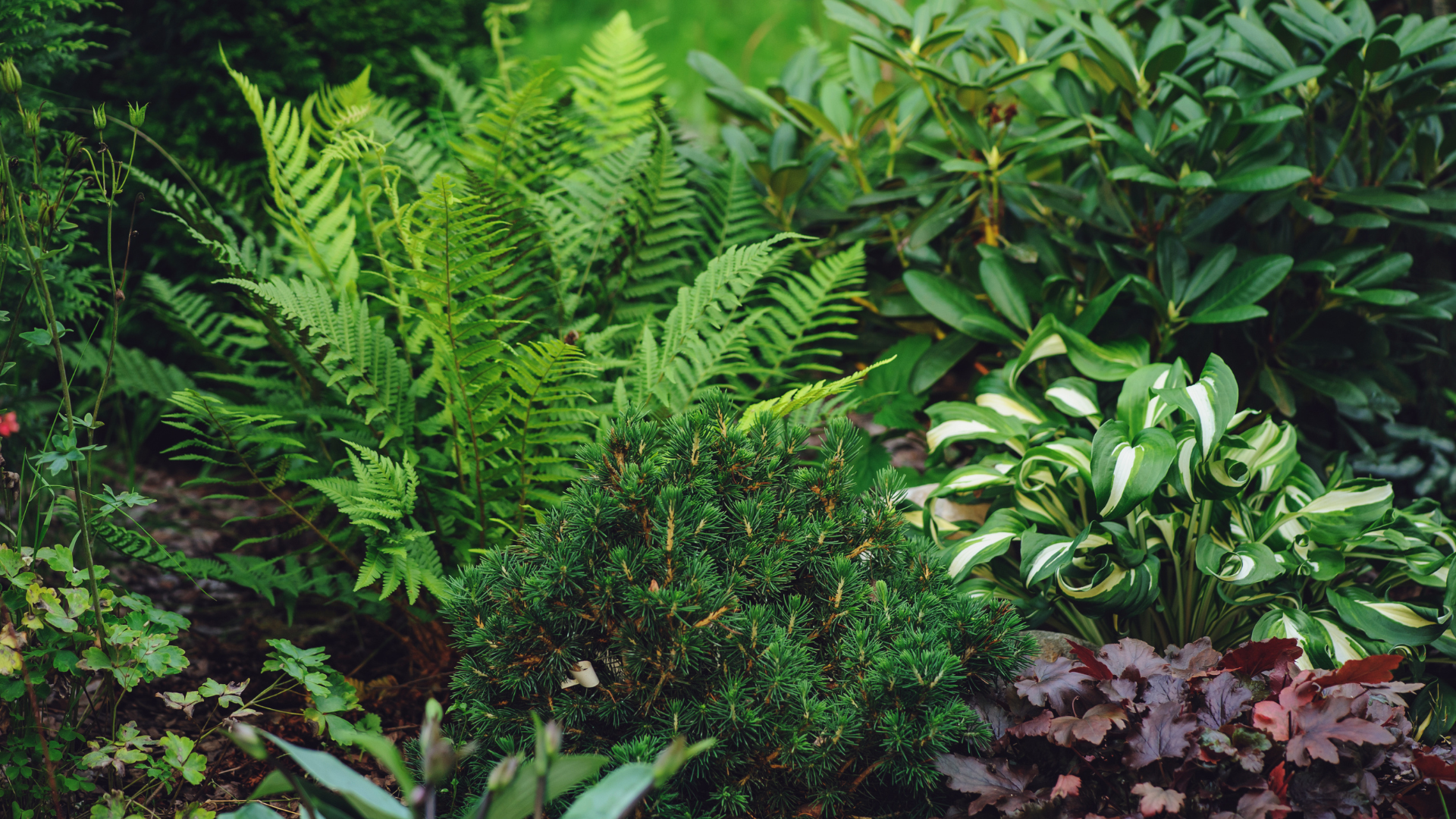
Top Shade Plants for Pennsylvania Gardens
Pennsylvania’s climate is well-suited to a variety of shade-loving plants that can transform your garden into a vibrant, multi-layered space. Here are some of our top picks:
- Ferns: Ferns are the quintessential shade plants. Their delicate, feathery fronds add a lush, almost tropical feel to shaded areas, while boosting oxygen levels in your yard. Ferns are incredibly low-maintenance, thriving in moist, well-drained soil with minimal sunlight.
- Rhododendrons: Known for their spectacular spring blooms, rhododendrons are a must-have in any shade garden. These adaptable shrubs grow well in Pennsylvania’s acidic soils, providing vibrant color to your garden when many other plants are still waking up.
- Bugleweed: Bugleweed, or ajuga, is a fantastic ground cover for shady spots. Its deep green or burgundy leaves create a dense carpet, sending up spikes of blue flowers in spring. It’s tough, spreads easily, and is perfect for filling in gaps between other plants.
- Heuchera: Also known as coral bells, heuchera is prized for its striking foliage in colors ranging from deep purples to bright greens. It’s a versatile plant that adds texture and color to shaded garden beds.
- Hostas: Hostas are the workhorses of shade gardens. They come in a dizzying array of sizes, shapes, and colors, making them incredibly versatile. Whether you’re looking to create a border or fill in under trees, there’s a hosta for every spot.
- Pennsylvania Sedge: This native grass-like plant is perfect for creating a natural woodland look in your garden. Pennsylvania sedge is low-maintenance and forms soft, flowing mounds that are ideal for filling in around larger plants.
- Eastern red columbine: A native perennial, columbine is a versatile, colorful and showy, long blooming flower on tall spikes that naturalizes and self seeds easily. It features a delicate pale green foliage that contrasts nicely against the broad leaves of hostas. It also attracts hummingbirds and insects, and is drought tolerant once established.
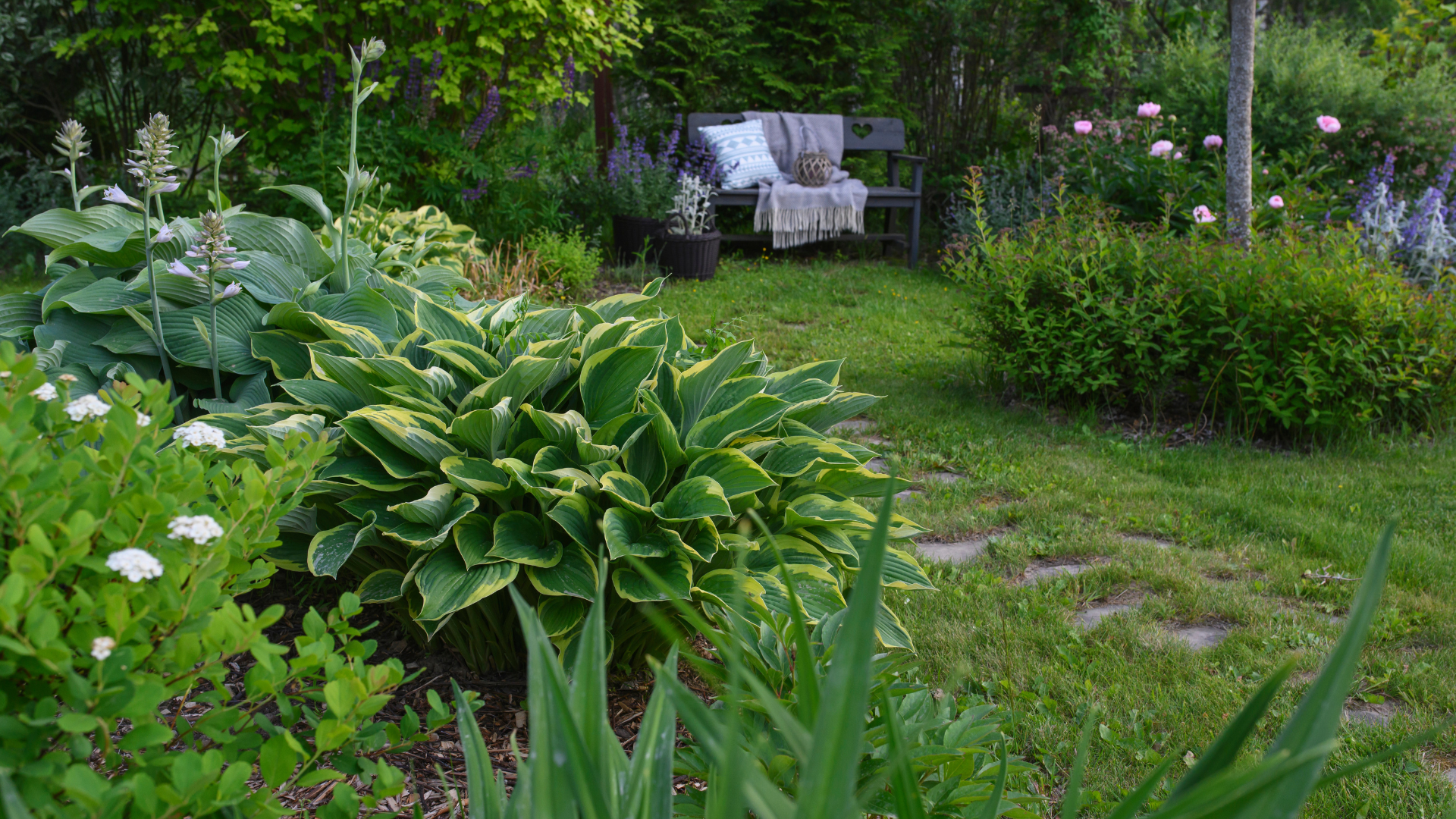
Designing Your Shady Oasis
Designing with shade plants in Glenside, Pennsylvania, is all about maximizing the potential of your space while creating a lush, inviting environment. Start by considering your garden’s layout and how your plants will interact with each other in the following ways:
- Shade with Character: Think about how you want to use your garden. Do you want to create a serene retreat, a vibrant garden bursting with color, or a natural-looking woodland area? Plan your space accordingly, grouping plants with similar needs and placing taller plants at the back or center to create depth.
- Layering and Texture: One of the keys to a successful shade garden is layering. Use plants of varying heights and textures to create a dynamic, visually interesting space. For instance, mix the broad leaves of hostas with the feathery fronds of ferns and the delicate spikes of bugleweed to create a stunning, texture-rich garden.
- Seasonal Interest: To keep your garden looking great throughout the year, choose plants that offer interest in different seasons. Rhododendrons and heuchera provide spring and summer color, while the foliage of hostas and ferns keeps things lively in the fall. For winter interest, add evergreens like boxwood or holly for a refreshing burst of color amongst the snow.
Tips for Thriving Shade Gardens
One of the great benefits of shade plants is that they generally require less maintenance. Unlike sun-loving plants that may wilt or scorch under intense heat, shade plants often thrive with minimal intervention. However, while shade gardens may require less maintenance than their sun-loving counterparts, there are still some essential care tips to follow if you want to keep your plants thriving:
- Soil and Watering: Shade plants often prefer moist, well-drained soil, but shady areas can be dry and compacted thanks to the surrounding trees absorbing moisture with their powerful roots and sheltering the area from rain. To improve soil and moisture retention, amend your soil with organic matter like compost, water deeply and consistently in the first year after planting, and mulch around the bases of your plants.
- Maintenance: While shade gardens are generally low-maintenance, they do require some upkeep to stay healthy. Regularly check for pests like slugs and snails, which can be more prevalent in shady areas, and mulch to suppress weeds and stabilize your soil’s temperature.
Gardening in the shade is an opportunity to create a unique, vibrant space filled with plants that thrive where others might struggle. Whether you’re working with a small urban garden or a sprawling yard, the best plants for your Pennsylvania garden’s shady spots will instantly transform your outdoor space into a lush, inviting oasis. With the right planning, plant selection, and our low-light gardening tips, your shade garden will flourish year-round. Start exploring the world of shade plants at our local garden center today and see how they can bring new life and beauty to your garden!