Top Tips for Starting a Greenhouse
June 23, 2025
You don’t need to be an expert to learn how to start a greenhouse, yet doing so is one of the most exciting steps a gardener can take. Whether you’re dreaming of juicy heirloom tomatoes in April or want to overwinter your favorite lemon verbena, a greenhouse opens up new gardening adventures that go beyond the typical backyard bed. You don’t need to be a botany professor or a farmer either. All you need is a little knowledge, a few supplies, and a willingness to embrace the warm, humid world of a greenhouse.
Why Choose a Greenhouse in the First Place?
- Longer Growing Season: Greenhouses extend your growing time well beyond Pennsylvania’s frosty fall and unpredictable spring. They let you start seeds earlier, grow heat-loving veggies longer, enjoy earlier harvests, and even grow crops that normally wouldn’t survive our winters.
- Protection from Adverse Weather: With more and more unusual weather, greenhouses give your vegetables extra protection. Your precious veggies can remain safe from sudden cold snaps, heavy rains, and hail. Greenhouses also protect against deer, rabbits, and other hungry friends.
- Expand Your Growing Options: With a greenhouse, you can also overwinter tender perennials that wouldn’t survive outside, and experiment with rare and unusual plants for our climate. Perhaps most importantly, greenhouses let you act like a miniature garden center, starting seeds and propagating plants with greater ease, taking your personal gardening skills to the next level.
Types of Greenhouses: Which One’s Right for You?
Greenhouses come in all shapes and sizes, from a “tiny home for tomatoes” to “I could host a wedding in here.” Choosing the right one depends on your goals, your space, and how deep you want to dive into this greenhouse life.
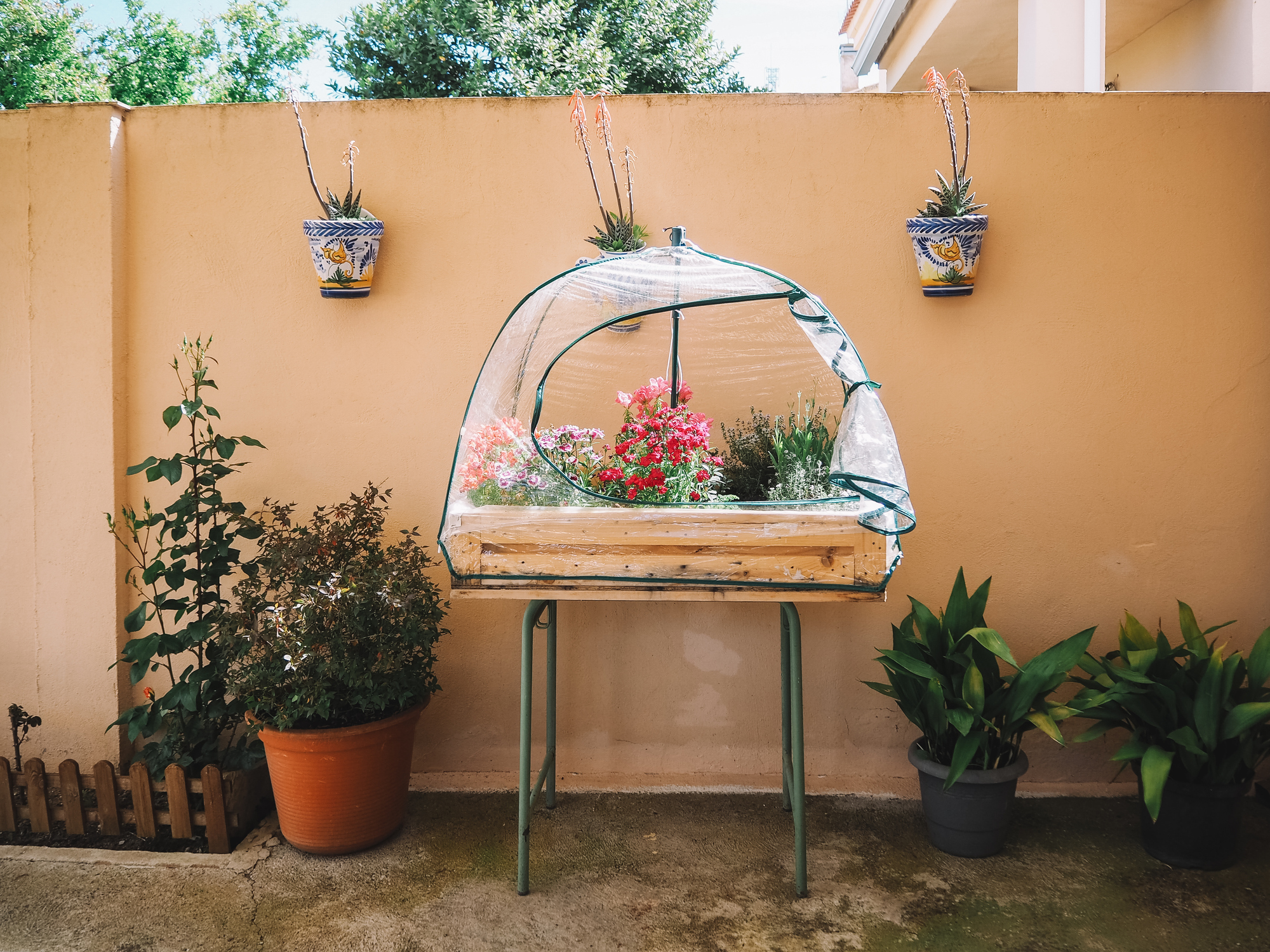
- Mini Greenhouses
These are perfect if you’re tight on space or just want to dip your toes in. They’re usually shelf-sized or small tunnel structures, ideal for starting seeds, hardening off young plants, or keeping herbs alive through a chilly spring night. Think of them as the starter pack for greenhouse gardening. - Lean-To Greenhouses
Attached to the side of your house or garage, lean-tos are great for convenience and saving space. They share a wall with your home, which helps regulate temperature and gives you easy access to water and electricity. It’s like adding a little plant wing to your house—no building permit required in most cases. - Walk-In Greenhouses (6×8 feet and up)
Now we’re talking room to roam! These structures give you space to grow full-sized crops, store supplies, and maybe even place a comfy chair in the corner to sip tea among your tomatoes. A walk-in greenhouse is perfect for serious home growers in Glenside who want to produce vegetables well into fall—or even winter with the right insulation. - High Tunnels or Hoop Houses
These larger, arched greenhouses are popular with homesteaders and small farms. They’re made from flexible piping and plastic sheeting—affordable, efficient, and scalable. You can grow rows of veggies and even fruit trees with proper planning, but they’ll need some extra TLC to stay warm during Pennsylvania’s coldest months.
Beginner Greenhouse Setup: The Right Size
Before you buy or build, be honest with yourself about how much space you really need—and how much time you’ll devote to greenhouse care. A 4×6-foot structure might be the perfect greenhouse idea for a small space, or simply for those interested in herbs and seedlings. At the other extreme, an 8×12-foot greenhouse lets you grow enough greens to feed your next-door neighbors—and possibly your entire block.
Don’t forget to factor in walking space, storage, and ventilation needs. You’ll want to move around comfortably without stepping on squash vines or knocking over trays of lettuce. Start with what fits your lifestyle, not just your wishlist.

Materials: Glass, Polycarbonate, or Plastic
You’ve got choices when it comes to greenhouse walls, and each one has pros and cons.
Glass Greenhouses are elegant and long-lasting. They offer great light transmission but are pricier and more fragile—think “Victorian elegance meets modern heating bill.” They work best for permanent structures that you’ll use year-round.
Polycarbonate Panels are the middle ground—durable, energy-efficient, and more affordable than glass. They provide diffused light, which helps prevent plants from getting sunburned (yes, that’s a thing). These panels are ideal for Pennsylvania winters, holding in heat like a champ.
Plastic Film (Polyethylene) is the budget-friendly option. It’s used in hoop houses and high tunnels and is great for covering large areas inexpensively. It does need replacing every few years, though, especially after a few run-ins with Glenside’s spring windstorms.
How to Start a Greenhouse in Glenside: Location Matters
The best greenhouse in the world won’t help your plants thrive if it’s stuck in the shade. Place your structure where it gets at least 6 hours of direct sunlight a day, ideally with southern exposure. Morning light is especially important—it helps warm things up after chilly nights.
Avoid low spots in your yard where cold air settles or water pools after rain. Good drainage and access to electricity and water will make your greenhouse experience much smoother—and drier. Bonus points if you place it somewhere visible from your kitchen window so you can gaze lovingly at your plants while doing the dishes.
Ventilation: Let It Breathe
Even in Glenside’s cool climate, a greenhouse can overheat fast—especially during sunny spring days. That’s why ventilation is key. Roof vents, side vents, and even a simple fan setup will help regulate temperature and prevent fungal diseases from crashing your garden party.
Automatic vent openers are a nice upgrade if you’re forgetful (or if you just like gadgets). And make sure you leave space to prop open doors or roll up sides, especially in the summer. Your tomatoes will thank you for the breeze.
Heating and Insulation for Pennsylvania Winters
For winter growing or seed starting in February, you’ll need to keep that greenhouse toasty. Small greenhouses can often be warmed with a space heater and thermal mass like water barrels or stone pathways. Larger structures may need a propane heater or even radiant heat—fancy, but worth it if you want fresh kale when it’s snowing.
Insulate with bubble wrap, straw bales, or extra layers of plastic. A little creativity goes a long way in keeping the heat in and the frost out. Remember, even cool-season crops like spinach and arugula still need protection when it dips into the single digits.
What to Grow in a Greenhouse (Especially in Glenside)
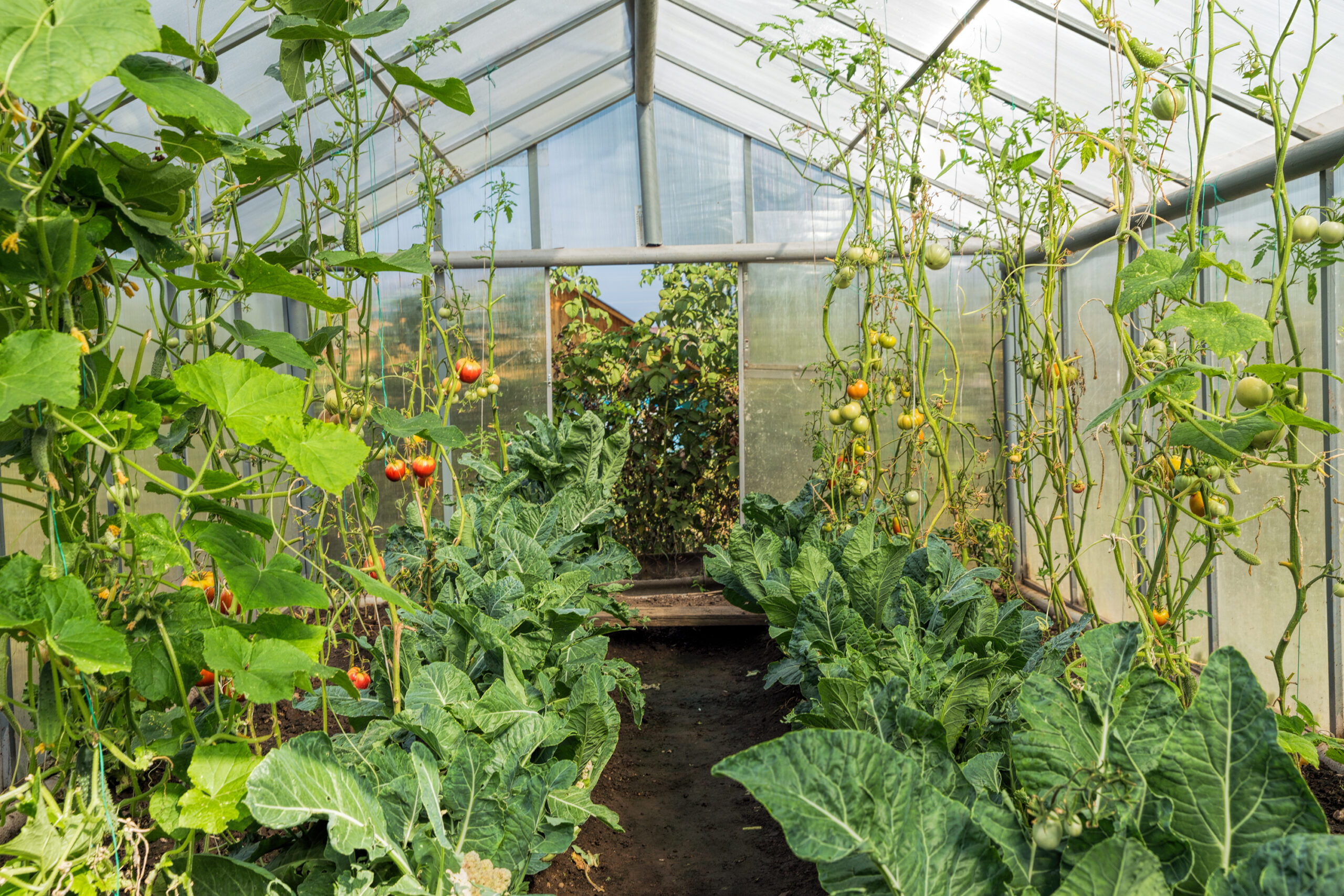
You can grow just about anything in a greenhouse, but some crops really shine. Tomatoes, cucumbers, peppers, and eggplants all love the heat and humidity. Herbs like basil, cilantro, and parsley thrive in containers and do well with consistent warmth.
In fall and winter, switch to cold-hardy greens like kale, spinach, Swiss chard, and mache. Start spring seedlings early—think broccoli, onions, and lettuce—and get a jumpstart on the season while your neighbors are still scraping ice off their windshield.
Care and Feeding of Your Greenhouse
Greenhouses aren’t set-it-and-forget-it (sorry!). They need regular watering, temperature checks, and a watchful eye for pests and diseases. Aphids, spider mites, and whiteflies love the cozy greenhouse life, so inspect your plants regularly.
Rotate crops, keep things tidy, and don’t overcrowd. Healthy plants need airflow just like people do, and a little breathing room can go a long way toward preventing problems. Keep a simple notebook or calendar for tracking what you planted and when—and celebrate every tiny sprout like it’s a personal victory.
Let the Greenhouse Adventure Begin!
Starting a greenhouse in Glenside opens the door to year-round gardening—and harvests! It’s a project that takes your gardening to a new level, leading to more veggies, healthier food, and ultimately a happier family. For more ideas on how to start a greenhouse, come visit our independent Garden Center in Glenside, PA!