Terrarium Season: Mini Indoor Gardens for Cooler Days
October 10, 2026
Learning how to make a terrarium is a fun way to keep your hands in the garden as cooler weather shifts more of your growing indoors. If you have ever wondered how to make a terrarium, fall is a charming time to give it a try, especially when cooler weather starts nudging your garden to its seasonal nap. As the garden quiets down, terrariums invite you to keep planting, arranging, and experimenting with miniature tropicals, soft moss, smooth stones, and glass containers. Suddenly, a shelf or windowsill can become a tiny green world that keeps the growing season alive.
Why Fall Feels Like Terrarium Season
A terrarium brings greenery to your home without asking for a sunny backyard or seasonable weather. For gardeners accustomed to tending large beds outside, creating a miniature landscape can be a satisfying change of scale, turning familiar plant care into something more intimate and imaginative.
Terrariums are also especially well suited to apartments and smaller homes, where every square foot has a job to do. A compact glass container can add texture and color to a bookshelf while taking up less room than a traditional plant collection, and its transparent sides make the growing process part of the decoration.
For winter gardening enthusiasts searching for houseplants in Glenside, PA, terrariums offer a beautiful way to enjoy greenery, bringing nature into everyday living spaces with a personal, intentional touch. Learning how to make a terrarium is even more fun with step by step guidance, the right plants, and plenty of room to add your own creative, seasonal touch.
 Closed or Open? Choosing Your Terrarium Style
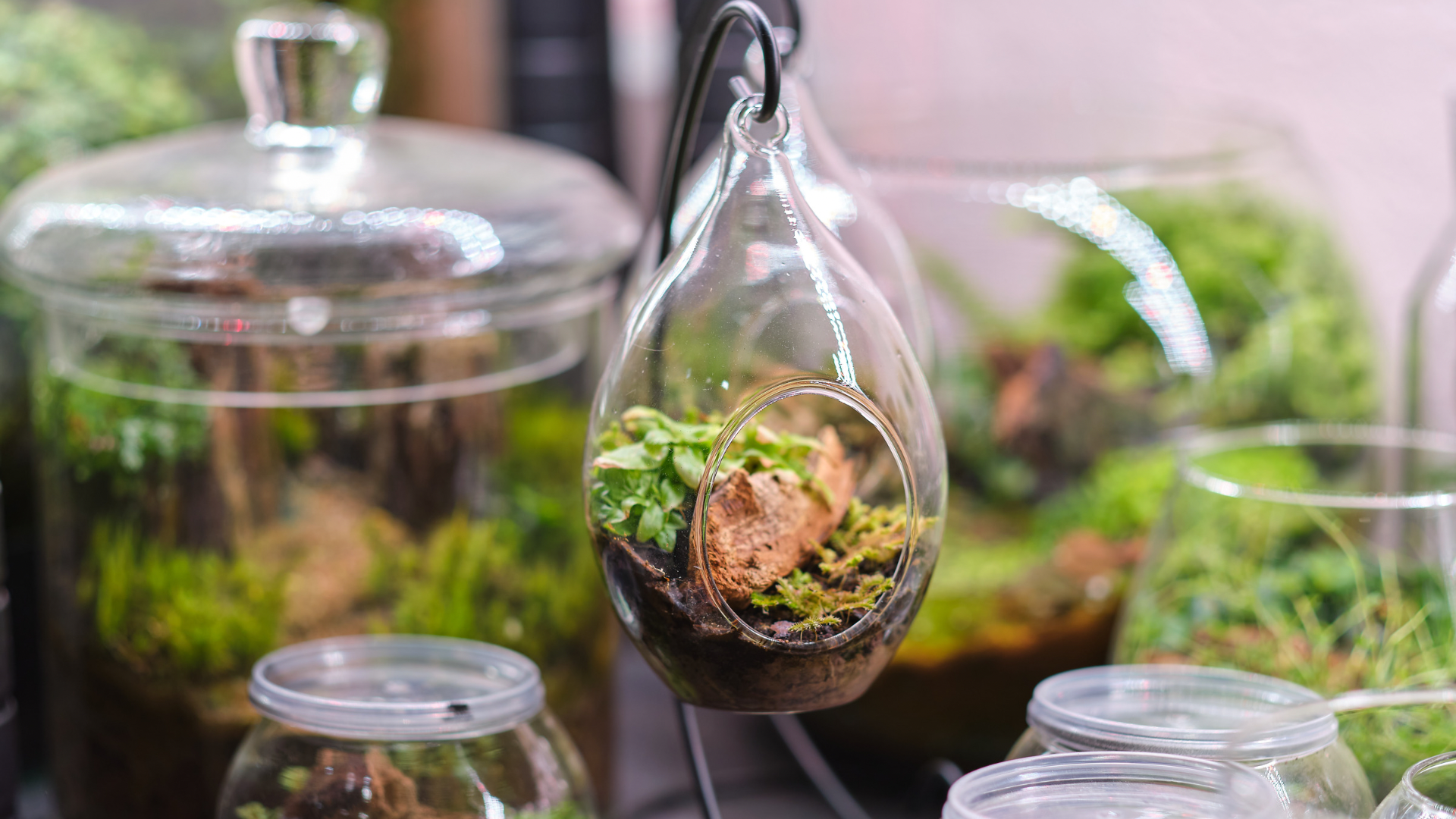 Closed or Open? Choosing Your Terrarium Style
The first decision about terrariums is wonderfully simple: open or closed?
- A closed terrarium has a lid that helps retain humidity, creating a moist environment that suits many small tropical plants and mosses.
- An open terrarium allows more airflow and moisture to escape. Think of the two styles as different little climates because the container you choose will influence watering, humidity, airflow, and which plants are likely to feel comfortable.
When choosing, start with the plants rather than the prettiest jar you spot. Humidity-loving tropicals generally appreciate a more enclosed environment, while plants that prefer drier conditions may be happier in an open container. Your available space matters too, so consider whether the terrarium will live on a bright desk, a shaded shelf, or somewhere else entirely. The goal is to create a miniature habitat that looks lovely and also makes sense biologically.
Choosing Plants That Actually Belong Together
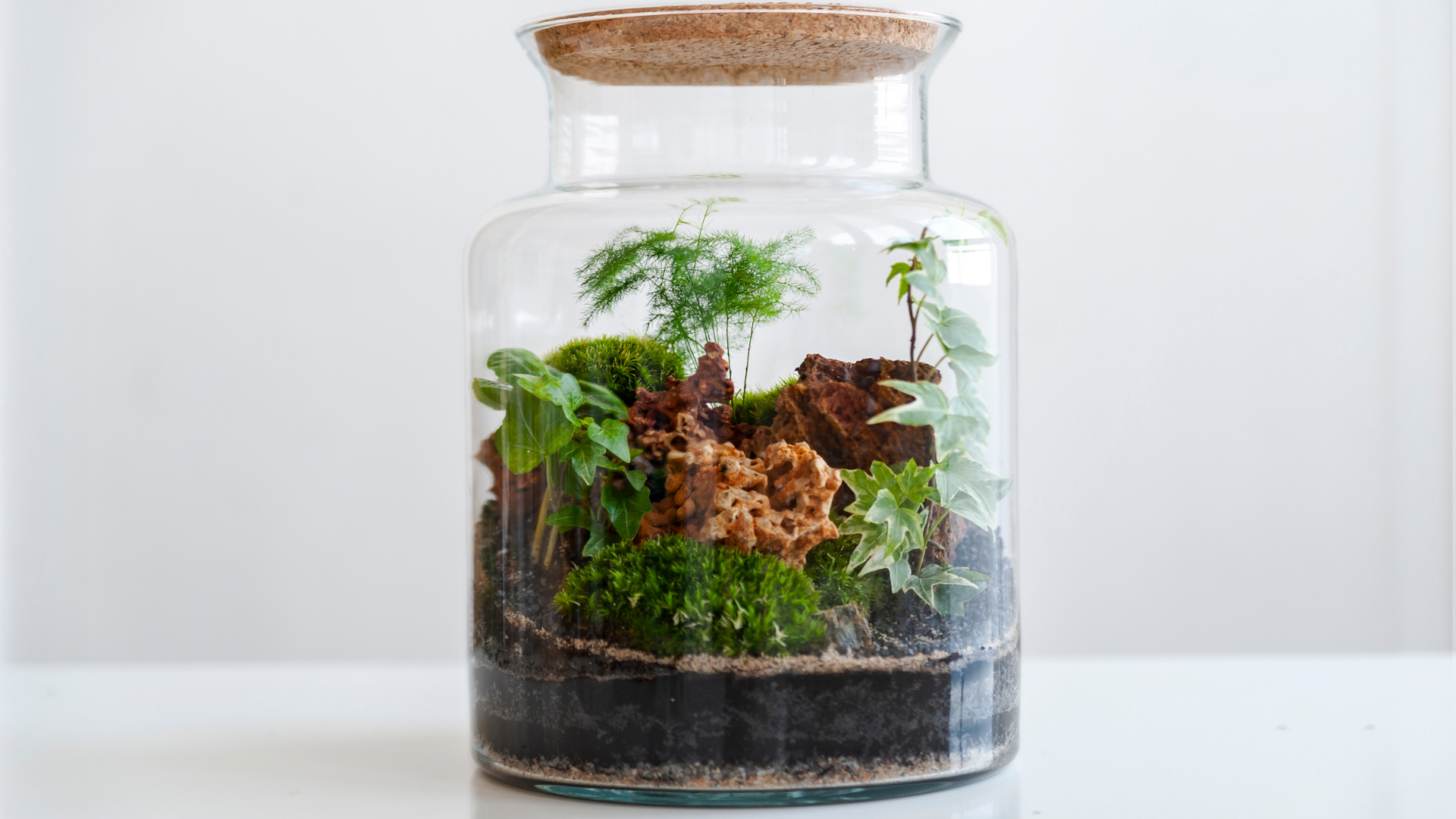 Choosing Plants That Actually Belong Together
Terrarium plants may be small, but they still have opinions about their living arrangements. Miniature ferns, fittonia, peperomia, pilea, and mosses can work beautifully in terrariums when their light, humidity, and moisture preferences overlap, creating a collection that grows together rather than competing for completely different conditions. When researching the best plants for terrariums, resist choosing solely by color or shape and instead look for companions with similar care requirements.
This is especially important when mixing plant types that seem visually appealing but prefer different environments. Succulents generally want bright light and drier conditions, while many tropical terrarium plants prefer humidity and consistently moist growing conditions, making them an awkward pairing in one container. A succulent beside a tropical fern may look like a charming botanical friendship at first, but their care needs can quickly turn that friendship into a very complicated group project.
Building Your Mini Indoor Garden
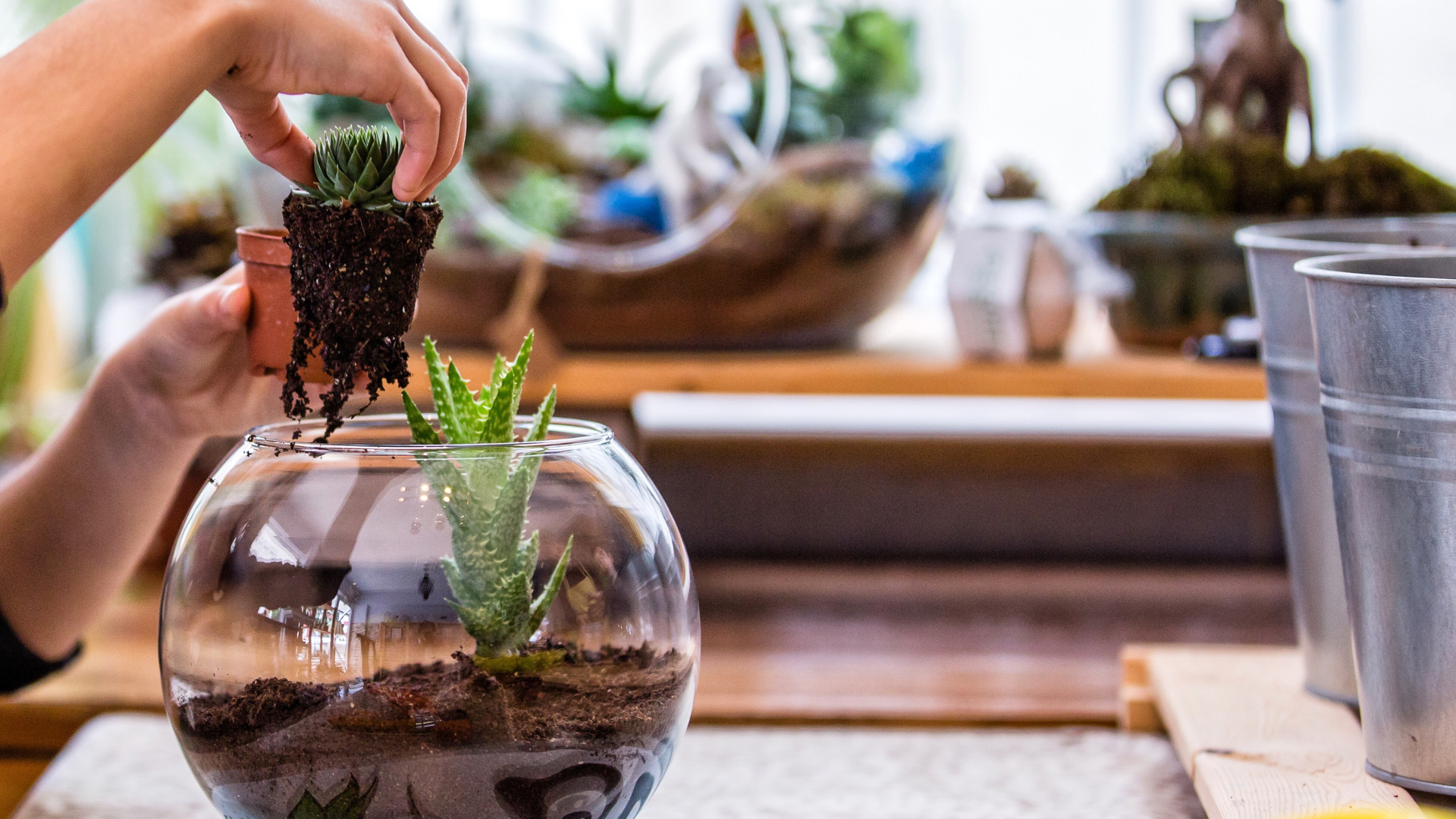 Building Your Mini Indoor Garden
Building a terrarium does not require a mysterious green thumb or a laboratory full of equipment. Start with a suitable glass container, then create a foundation with drainage material, followed by an appropriate growing medium, before adding plants and finishing touches such as moss, stones, or other natural elements. Because excess water has nowhere to travel in a sealed container, using appropriate layers and avoiding overwatering are important parts of keeping the miniature ecosystem comfortable.
Once the basic structure is ready, have fun with the arrangement. Place taller plants toward the back or center, use lower-growing plants to create transitions, and experiment with stones or natural textures to give the landscape a sense of depth. A DIY terrarium can be neat and symmetrical or delightfully wild, and there is no requirement that every pebble stand at attention; natural-looking arrangements often feel more like tiny gardens than collections of objects.
Give Your Terrarium Some Personality
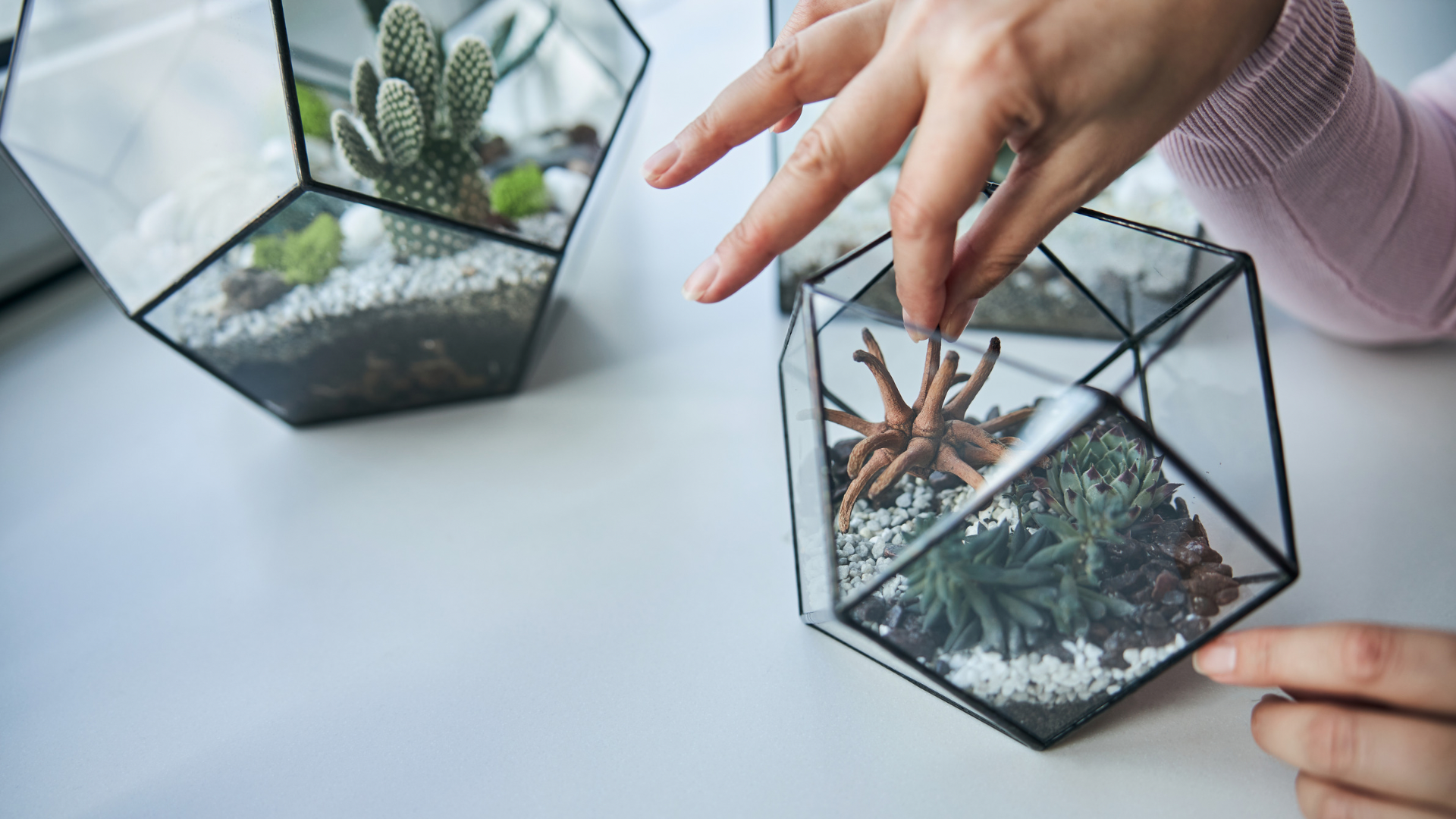 Give Your Terrarium Some Personality
The most enjoyable part may be deciding what little world you want to create. You might imagine a misty woodland with moss and stones, a lush tropical scene filled with layered greens, or a simple modern arrangement where a few carefully chosen plants become living sculptures. Thinking of the container as a tiny landscape, rather than simply a jar containing plants, encourages you to consider height, texture, negative space, color, and the way each element relates to its neighbors.
This is where personal style gets to stretch its legs:
- Smooth river stones can create a calm, natural feeling.
- Textured bark or interesting pieces of wood can add a woodland character, provided every decorative material is clean and appropriate for a humid environment.
- Glass shape contributes to the mood, so take your time choosing a container that complements the room and makes the plants inside feel like they belong there.
Keeping a Terrarium Happy Through Fall and Winter
Once your miniature garden is assembled, caring for it is mostly about observation and keeping tabs on key conditions:
- Light: Bright, indirect light is generally helpful, while direct sunlight through glass can become surprisingly intense and may overheat the container. Lighting needs will depend on what kind of plants you choose—cacti have different needs than moss. Remember to choose plants with similar light and water needs from the beginning.
- Water: Watering should be modest because enclosed environments recycle moisture. In a closed terrarium, a little condensation can be normal, but persistent heavy condensation, soggy soil, yellowing leaves, or a musty appearance can signal that moisture levels are too high.
- Seasonal Changes: As daylight decreases through fall and winter, keep an eye on how your plants respond. Leggy growth can indicate that plants are reaching for more light, while consistently wet soil may mean watering should pause and airflow should increase, particularly in an open container.
- Keep it Clean: Remove damaged leaves and trim plants when necessary, and remember that a terrarium is a living arrangement rather than a set-it-and-forget-it decoration. A little attention goes a surprisingly long way.
Keep the Season Growing
Outdoor gardening may be winding down, but the urge to nurture something green does not have to fade when the temperature drops. For Glenside gardeners, a miniature indoor landscape can bring tropical foliage, moss, stones, and creative energy into smaller spaces while offering a relaxing project for cooler days. Primex Garden Center in Glenside is a natural place to explore plants, containers, and materials for the idea taking shape in your imagination. Our friendly staff is ready to help you create a miniature indoor oasis you’ll enjoy all winter long.