How to Grow Strawberries in Pennsylvania
April 7, 2025
Sweet Success: How to Grow Strawberries in Pennsylvania
Growing strawberries is a bit like bottling sunshine—you know that first bite into a sun-warmed berry, the sweet juice trickling down your fingers, and the immediate grin that follows? That’s what we’re after. Whether you’re a first-time grower or a green-thumbed veteran, there’s something deeply satisfying about plucking fresh berries from your own patch. And in Pennsylvania, with its rich soil and friendly climate (well, most of the time), you’ve got just the right canvas to grow your own ruby-red treasures.
In this guide, we’re diving headfirst into the strawberry field: choosing the right varieties, figuring out the perfect time to plant, preparing your garden beds or containers, and making sure your berry babies thrive all the way to harvest. So grab your trowel, throw on your sunhat, and let’s get those strawberries started!
Why Strawberries? The Sweet Appeal
There’s a kind of magic in growing strawberries. Maybe it’s because they’re the candy of the garden—bright, cheerful, and bursting with flavor. Or maybe it’s because they make you feel like a gardening rock star with surprisingly little effort. One well-tended patch can yield bowl after bowl of sweet goodness from spring into early summer and beyond, depending on your varieties.
Plus, they’re versatile. Bake them into pies, blend them into smoothies, toss them on salads, or eat them right off the plant (we won’t judge). And let’s not forget the bragging rights—when your neighbors are stuck with store-bought berries, you’ll be serving up your own homegrown delights.
Choosing Your Strawberry Heroes
Let’s meet the stars of your berry cast. Think of these as your garden’s superheroes, each with a unique personality and role in your fruity production.
- June-Bearing: The Showstoppers
These are the big performers. June-bearing strawberries give one large, concentrated harvest—typically in June (shocker, right?). They produce lots of fruit all at once, which is perfect if you’re into jam-making or hosting berry-filled brunches.
Ideal for: Garden beds and raised beds where you want a big early-summer payoff. - Everbearing: The Reliable Friends
Everbearing varieties produce two main crops—one in early summer and another in early fall. They’re the steady friends who check in just when you need them.
Ideal for: Small families who like a more spread-out harvest or container gardening setups.

When and Where: Planting in Pennsylvania
Ah, Pennsylvania spring—where it can be sunny shorts weather on Monday and frostbite Friday by the weekend. Timing is everything. You’ll want to plant your strawberries in early spring, around mid to late April, after the soil has thawed and the danger of a hard frost has passed. If the ground feels like a wet sponge or your fingers go numb digging, give it a bit more time.
Now, let’s talk about real estate. Strawberries need full sun—at least 6-8 hours a day—to become the sweet gems you’re dreaming of. And they’re picky about their soil. The best soil for strawberries in Pennsylvania is well-draining, slightly acidic (pH 5.5–6.5), and loaded with organic matter. Think of it as a cozy bed with a soft mattress and perfect airflow—ideal for roots to spread and breathe.
Planting Party: How to Set Up Your Strawberry Garden
Think of this as hosting a garden party where the guests are juicy little berry plants. Here’s how to roll out the red carpet:
- Prep the Site: Loosen the soil to at least 8 inches deep. Mix in compost or well-rotted manure for that nutrient boost.
- Spacing Matters: Give your strawberries about 12–18 inches between plants. This promotes airflow (no one likes a crowded party) and reduces the risk of fungal diseases.
- Mulch Like a Boss: After planting, lay down straw or shredded leaves around your plants. It keeps the weeds down, conserves moisture, and protects berries from soil splashes.
- Containers? No Problem: For patio growers, raised beds or hanging baskets work wonders. Just make sure there’s good drainage.
Remember to remove the first flowers for newly planted strawberries. It feels wrong, we know—but this lets the plant focus on root development for better yields next season.
Caring for Your Garden: Water, Feed, and Protect
Strawberries are like cheerful little friends—they’re fun, but they still need looking after.
- Water: Aim for 1–1.5 inches per week. Water deeply, ideally in the morning, and keep the leaves dry to avoid rot.
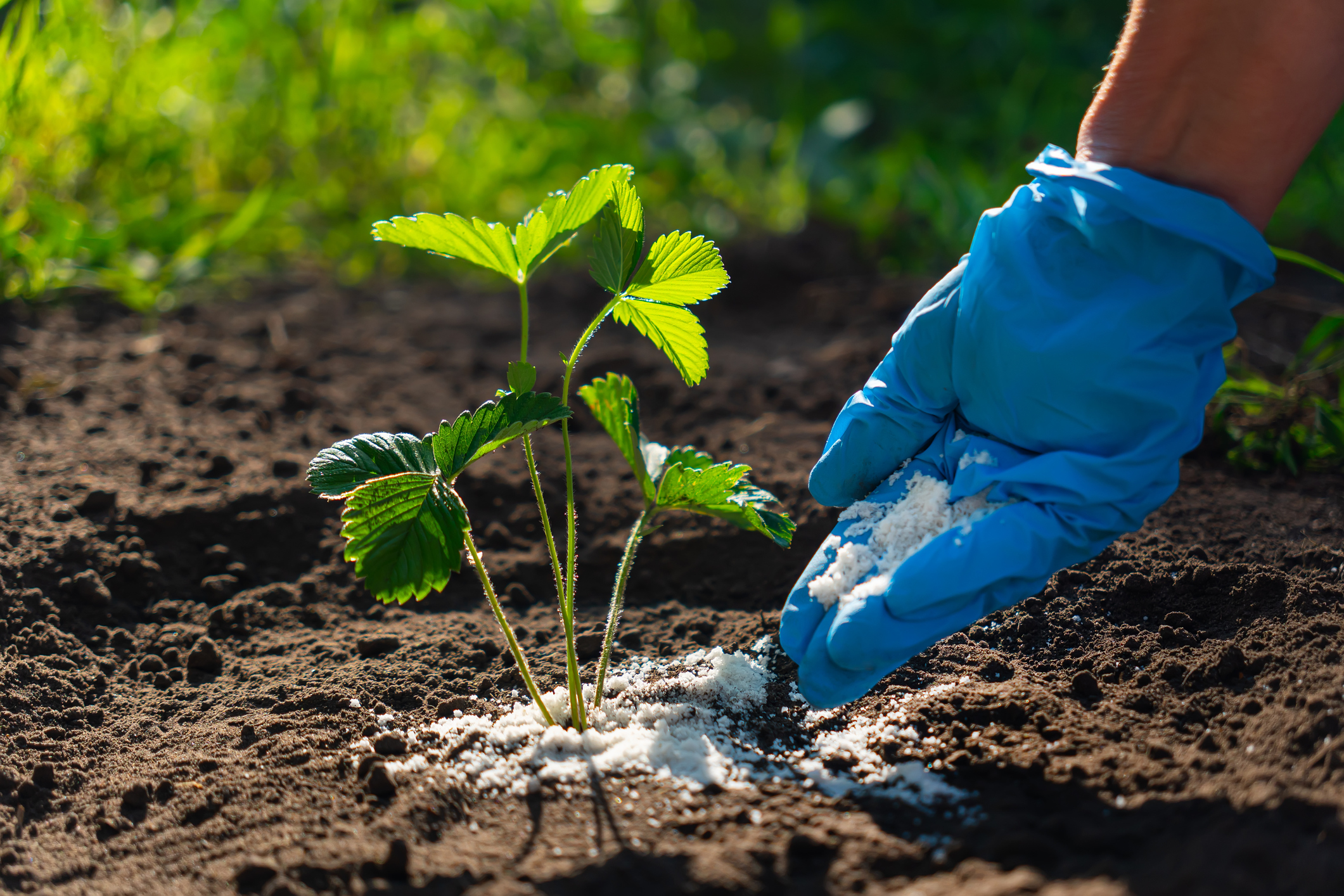
- Feed: Fertilize with a balanced fertilizer (10-10-10) when planting, and again after the first harvest. Avoid overfeeding; too much nitrogen = lots of leaves, not much fruit.
- Protect from Frost: Spring frosts can sneak up on you. Cover your plants with row covers or light blankets on cold nights.
- Watch for Pests: Slugs, birds, and aphids love strawberries as much as you do. Mulching helps with slugs, netting keeps birds out, and neem oil handles aphids naturally.
If you’re wondering how to care for strawberries in Pennsylvania, just think: keep them watered, fed, mulched, and protected from surprises—kind of like raising a polite toddler with a sweet tooth.
Harvest Time: Reaping the Juicy Rewards
This is the moment you’ve been waiting for. When your plants start flashing red jewels, get ready to pick!
Harvest when the berries are fully red (don’t wait for a white tip to ripen after picking—it won’t). Gently twist or snip the stem, leaving the green cap on to keep them fresher longer. And go ahead—taste one in the garden. It’s the gardener’s reward and a memory you won’t forget.
Picking strawberries is like a treasure hunt with snacks built in. Every berry you find is a little celebration.

Your Journey to Berry Bliss
From choosing the right strawberry variety to getting your hands dirty in rich Pennsylvania soil, you’ve now got everything you need to turn your backyard into a berry patch paradise. Growing strawberries isn’t just about the fruit—it’s about the joy, the pride, and the sweet moments of success that come with each harvest.
Whether you’re growing in a garden bed, a raised setup, or a cozy patio pot, the journey is yours to shape—and the berries will be worth every bit of effort. So get planting, keep experimenting, and enjoy the ride. Growing strawberries might just become your new favorite obsession.
Have a tip, a funny fail, or a berry hack of your own? Drop it in the comments—we’d love to hear from fellow gardeners!
Bonus Tips & FAQs
Q: Why are my strawberries small and sour?
A: Could be lack of sunlight or too much nitrogen. Cut back on fertilizer and make sure they’re getting 6–8 hours of sun.
Q: Can I grow strawberries from seeds?
A: Technically, yes—but most people start from bare-root plants or plugs for faster, more reliable results.
Q: Should I rotate my strawberry beds?
A: Definitely. Strawberries are prone to soil-borne diseases. Rotate your patch every 3–4 years.
Q: Do strawberries need winter protection?
A: Yep. Once the ground freezes, mulch over the crowns with straw to insulate them for the winter nap.
Q: What are the best containers for strawberries?
A: Look for pots or hanging baskets with good drainage. Fabric grow bags are awesome too—lightweight and breathable!