Sow Smart in September – Cool Season Veggies for PA Gardens
September 22, 2025
Believe it or not, September is not only time for harvesting, but for replanting the garden too—specifically with cool-season vegetables. Do you remember those early-season crops that thrived in the mild days of spring? You can plant them again in September and enjoy the bounty of a late fall harvest!
Myth Busting in the Fall Garden
As temperatures drop, and shorter days remind us of fall, many gardeners assume it’s time to pack up the vegetable garden. They start ripping out lettuce and cutting back pea vines, only to have a bare garden as they wait for winter. In truth, September offers a key opportunity to replant cool-season veggies. Many gardeners are surprised by how much they can still grow in September, since cool season vegetables such as kale, lettuce, and radishes actually thrive as the temperatures drop. And, the best gardeners not only take advantage of it, but extend their growing season as long as weather permits, and even use tricks to grow past the first frost.
What to Plant in September?
September is a prime season to replant all of your cool season vegetables. These are crops that grow best when temperatures are in the 60s and low 70s. Usually, they are fast-growing, and some even withstand a light frost. Typically, these are the same crops that thrived in the spring, offering you the first harvest of the year. When September rolls around, you’ll be surprised at how they flourish again through the cool days of autumn.
- Lettuce: In the hot days of summer, many lettuce varieties bolt, go bitter, or don’t grow. In September, however, you can start planting them again every 1-2 weeks for an ongoing harvest of salad greens. To boost your culinary experience, try experimenting with the different varieties that you can’t find in the grocery store.
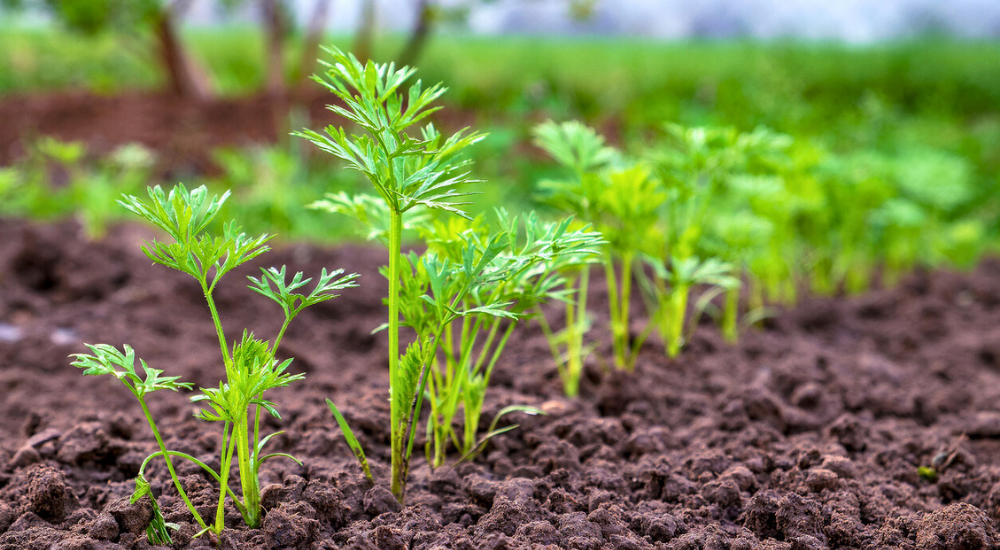
- Carrots: Although they take longer to mature, carrots are another golden prize that awaits fall planters. Choose a faster-growing variety, like 50 – 70 days, so you have the best chance of success. Don’t forget to thin them too! If they’re too dense, they won’t have space to mature. The good news about carrots is that they don’t mind a light frost, and you can harvest them even as babies.
- Arugula: These spicy, fast-growing greens are an easy veggie to enjoy in the fall. Reaching maturity in about 30 days, you can enjoy an abundance of arugula for salads, pizzas, and sandwiches through the fall. Although they are an acquired taste for some, it’s worth the challenge to learn to love these fast and easy-growing crops!
- Turnips: With the rise in popularity of potatoes, turnips have taken a back seat, but these underappreciated veggies are true stars of the fall season. Plant them now, and you can enjoy steamed turnip greens as they grow. The tubers themselves, ready in 40 to 60 days, are an excellent crop to eat through the winter. They store well, and their sweetness warms the belly just when you crave those kinds of foods.
- Radish: Like arugula, radish is another fast-growing winner of the fall garden. In fact, they grow so quickly that gardeners sometimes forget to harvest them in time. Keep track of their days to maturity (usually 20 to 30 days) and harvest them as soon as possible so their roots don’t turn woody. Radish greens can also be eaten fresh when young, or cooked when mature. They offer lots of nutrients and have a mild flavor.
- Kale: If you haven’t discovered the wonders of garden kale yet, it’s time to begin! The thick, leathery and bitter stuff you often find in the grocery store can hardly be compared to homegrown kale. From the garden, it’s sweet and tender when young. Plus, growing kale is a breeze. It’s one of the hardiest plants out there, easily withstands a light frost, and can even remain alive all winter. The biggest challenge is dealing with cabbage worms and moths, which can be mitigated with netting, reduced with companion planting, or managed by hand.
- Spinach: Like lettuce, spinach is a fast-growing green that thrives in the cool season. It is ready for harvest in 30 to 50 days. Did you know you can cut them down and they’ll regrow for a second and even third harvest?
- Parsley & Cilantro: Why not have fresh herbs through the fall season? These cool-season lovers grow well in autumn. Cilantro reaches full maturity as early as 45 days, and parsley comes to full size in as little as 70 days. Of course, you can begin eating them when the plants are not fully mature.
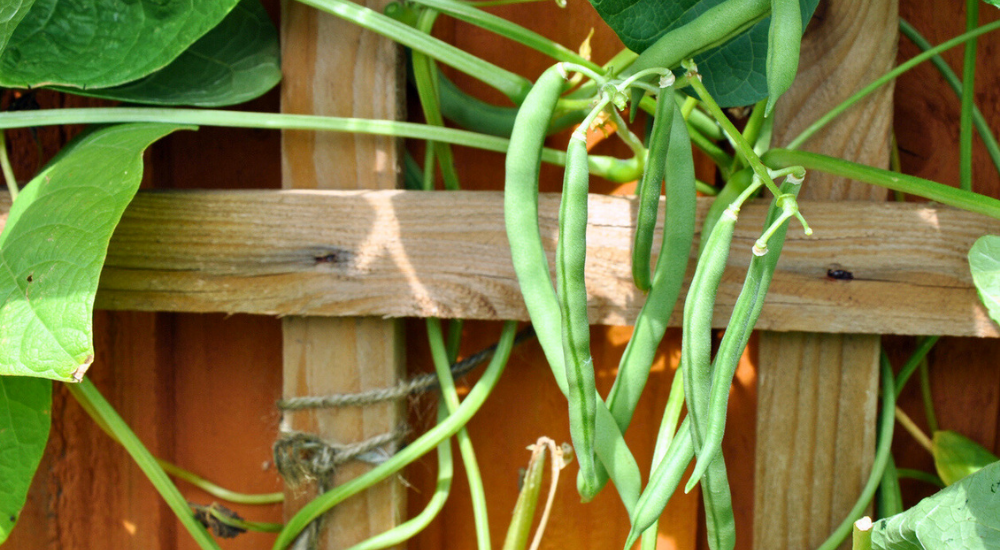
- Peas: With 50 to 80 days of maturity, you still have time to enjoy a fresh harvest of peas in autumn. Choose a faster maturing variety and consider covering them when the frost comes (as you’ll see below) to extend the harvest.
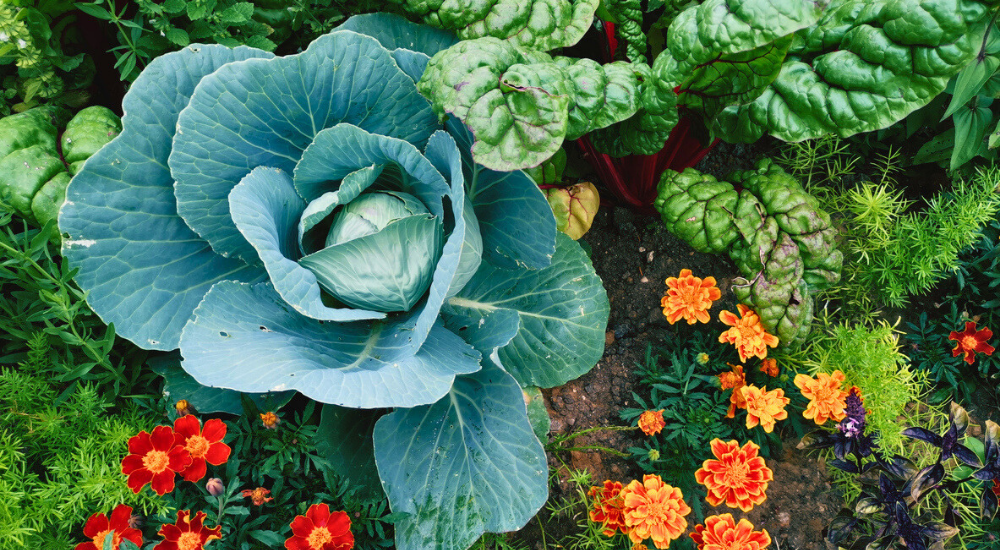
- Cabbage: Maturing between 70 and 100 days, cabbage is a slower-growing crop, but its superpower is frost resistance. They have no problem with a light frost, and with hardy leaves, they even withstand a deeper frost. As you’ll see below, the cool temps of fall can slow down pests, making it easier to grow cabbage in September and October.
- Beets: Lastly, but certainly not least, this super vegetable grows very well in autumn, reaching maturity in only 55 to 70 days. Their greens are as good as the tubers, and both are VIPs in fall and winter cooking.
The Benefits of Growing Vegetables in the Fall
- Cool Temperatures Favor Many Vegetables: All of the crops mentioned above, and even others, grow better in the cooler temperatures of fall than in the blazing heat of summer.
- Fewer Pests: While you may have been battling pests throughout the summer, the cooler fall temperatures slow them down, giving you a window to replant and regrow more crops.
- Fewer Weeds: Weeds grow the fastest in the spring. By the time fall rolls around, you may hardly see much germination of new weeds. They slow down, giving you a great window for sowing a fall garden.

Fall Vegetable Gardening Tips
- Extend Your Growing Season: For experienced gardeners, the first frost is never the end of the gardening season. If you cover vegetables through the first cold nights, you can extend your fall harvest by weeks and even more. Row covers, cold frames, greenhouses, and even a simple bedsheet are all ways to lengthen your growing season.
- Pay Attention to Days to Maturity: To see if you have time to grow a crop, count back from your first frost date to see how many days you have. Keep in mind that you can extend your growing season by covering your plants through frosty nights. Also, many crops can be eaten even before they mature, so it’s often still worthwhile to attempt to grow them.
- Frost Sweetens Some Crops: Carrots, kale, collards, Brussels sprouts, and turnips not only withstand a light frost, but actually become sweeter with it!
- Experiment: Like all gardening, fall planting is an experiment. Try new things, record your successes, and learn from your failures. Keep detailed notes this year so you can improve your growth next year. The worst that can happen is that the plants don’t have time or good enough weather to reach maturity. Even in that case, they still provide a service of covering the soil and preventing erosion.
For more Glenside, PA, gardening tips on cool-season vegetables, don’t hesitate to visit our garden center. We have all the supplies you need and more to keep your gardens flourishing this fall!