Christmas Cactus vs Thanksgiving Cactus: The Ultimate Guide to Holiday Cacti
December 16, 2024
Holiday cacti have long graced our homes with their stunning blooms, but figuring out the difference between a Christmas and Thanksgiving variety can feel like solving a festive mystery. Add an Easter cactus into the mix, and even the most seasoned plant enthusiasts might find themselves scratching their heads. This guide will help you distinguish between these holiday favorites, understand their blooming schedules, and master their care. By the end, you’ll not only be able to identify your holiday cactus, but also ensure it thrives year-round.
Common Cacti Clarified: Christmas Cactus vs. Thanksgiving Cactus vs. Easter Cactus
If you’ve ever wondered about the difference between the different holiday cacti varieties, you’re not alone. Holiday cacti are beloved houseplants, yet they’re frequently confused due to their similar appearance and overlapping seasonal bloom times. They come from the Schlumbergera genus and are native to Brazil’s tropical rainforests. Unlike desert cacti, they’re epiphytic, thriving in the nooks of trees with high humidity and filtered light.
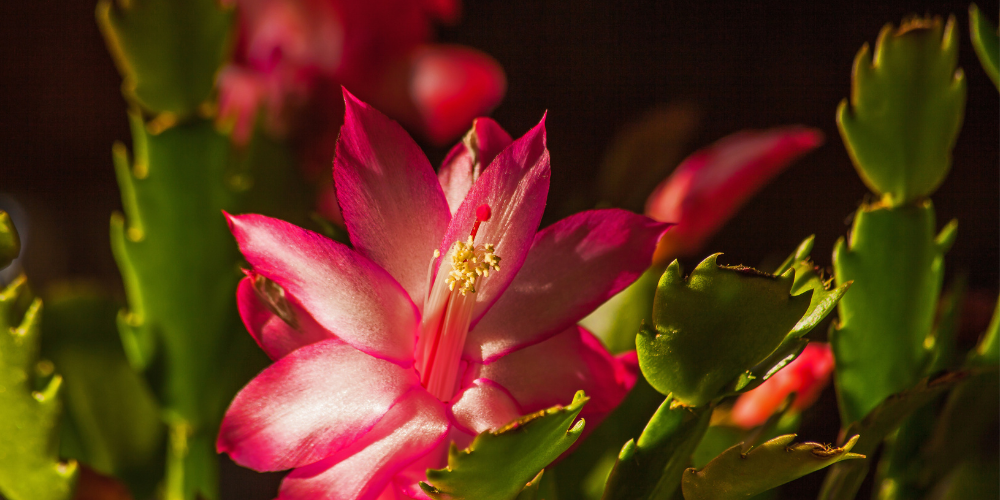
Meet the Trio:
- Christmas Cactus (Schlumbergera bridgesii): Known for their vibrant late-December blooms, these plants are a festive favorite.
- Thanksgiving Cactus (Schlumbergera truncata): Often called the “false Christmas cactus,” it blooms earlier than its December counterpart, usually around November.
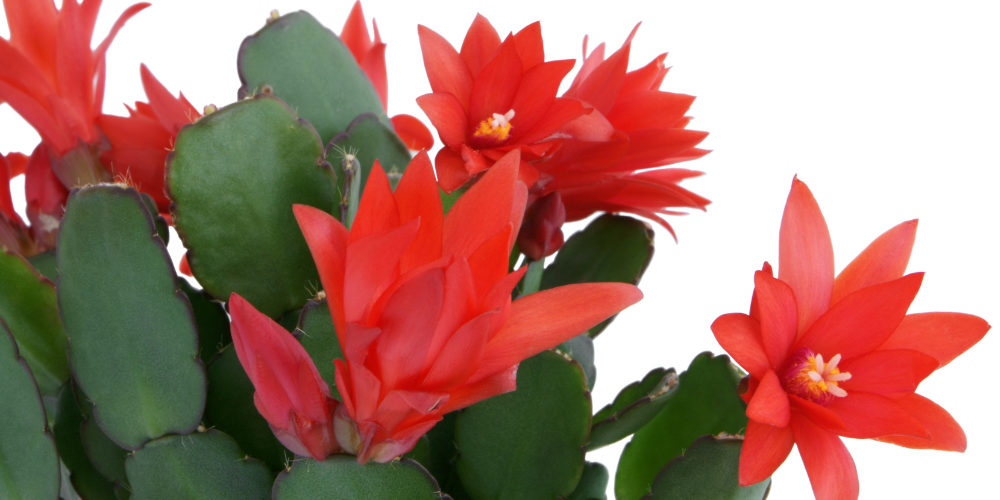
- Easter Cactus (Rhipsalidopsis gaertneri): The spring cousin, this cactus brings blooms in March or April.
Fun Fact: Holiday cacti gained popularity in the 19th century when European botanists brought them back from Brazil, turning them into symbols of the seasons.
How to Spot the Differences
While holiday cacti’s similarities make them difficult to tell apart, there are a few subtle differences that can help you differentiate between the three varieties:
Leaf Shape and Texture
- Christmas Cactus: Smooth, scalloped edges resembling teardrops.
- Thanksgiving Cactus: Sharp, pointy edges with claw-like tips.
- Easter Cactus: Rounded leaves with subtle bristles.
Bloom Times
- Christmas Cactus: Blooms in late December, lasting through January.
- Thanksgiving Cactus: Displays flowers from mid-November to early December.
- Easter Cactus: Brightens in springtime with blooms in March and April.
Flower Features
- Christmas Cactus: Tubular flowers in shades of pink, red, and white.
- Thanksgiving Cactus: Similar tubular flowers but with more vibrant hues.
- Easter Cactus: Star-shaped blooms in pastel shades like pink, orange, and white.
Quick Identification Cheat Sheet
- Christmas Cactus: Scalloped edges, December blooms, tubular flowers in soft pinks or reds.
- Thanksgiving Cactus: Jagged edges, November blooms, bright tubular flowers.
- Easter Cactus: Rounded leaves, spring blooms, star-shaped flowers.

Commonalities Among Holiday Cacti
Despite their differences, holiday cacti share a few key traits:
- Origins: All holiday cacti varieties hail from Brazil’s rainforest regions.
- Growth Habit: Holiday cacti feature compact, segmented growth, making them perfect for indoor spaces.
- General Care: Holiday cacti all love bright, indirect light and well-draining soil.
Care Tips for Holiday Cacti
Proper care for your Christmas cactus and their holiday cacti cousins ensures your plants stay vibrant and healthy year-round! Here are a few simple tips and tricks to help you along the way:
Light and Temperature Needs
Holiday cacti thrive at 65-75°F but appreciate cooler nights for blooming. We also recommend keeping them in bright, indirect sunlight. A spot near an east-facing window works best.
Watering Schedule
Water when the top inch of soil feels dry. Avoid overwatering, as holiday cacti dislike soggy roots.
Soil and Fertilizer Preferences
Use a well-draining potting mix designed for cacti or succulents and fertilize monthly with a balanced, water-soluble fertilizer during their growing season.
Encouraging Blooming
Provide your holiday cacti with a period of darkness (12-14 hours) for about six weeks before their bloom season, and reduce watering slightly during this time to encourage flower buds.
FAQs
Why isn’t my cactus blooming?
Check their light and temperature conditions, and ensure your cactus gets its required dark period before blooming season.
Can I propagate my holiday cactus?
Yes! Propagating holiday cacti with stem cuttings is surprisingly easy. Gently twist off a healthy segment with 2–3 sections, let it dry for 1–2 days, and plant it in moist, well-draining soil. Keep the soil slightly damp and place the cutting in bright, indirect light. Roots should form in 2–4 weeks.
Can I grow holiday cacti outdoors?
Yes, in warm climates with filtered light and high humidity. Otherwise, bring them indoors during the cooler winter months.
Why are the leaves of my holiday cactus turning yellow?
Yellowing leaves often indicate overwatering, poor drainage, or too much direct sunlight. Ensure your cacti’s pots have proper drainage holes, let their soil dry slightly between waterings, and place them in a spot with bright, indirect light to prevent sunburn.
What pests or diseases affect holiday cacti, and how can I prevent them?
Common holiday cacti pests include spider mites, mealybugs, and scale insects. Use insecticidal soap or wipe the leaves with a mixture of water and mild dish soap. Another common enemy is root rot, which is often caused by overwatering, so ensure proper drainage and water sparingly. Regularly inspect your cacti for signs of pests or diseases and address any issues early.
Cacti Conclusions
Whether you’re trying to choose a Christmas cactus or a Thanksgiving cactus for your holiday table or admiring an Easter cactus’s vibrant spring blooms, knowing their unique traits helps you appreciate these festive beauties even more. With proper care, your holiday cacti will reward you with stunning blooms year after year.
Ready to dive deeper into the world of holiday cacti? Share your cactus care stories in the comments, and stop by our garden center here in Glenside for more expert tips!