Soil Testing in Fall: Discover What Your Garden Really Needs
November 2, 2026
Soil testing takes the guesswork out of gardening and helps you discover what your plants really need. Many common problems, like yellowing leaves, may have a variety of causes, from lack of water to a nutrient deficiency or pH imbalance in the soil. By testing soil this fall, you can understand what’s going on under the surface, avoid unnecessary amendments, and prepare your garden to thrive next spring.
What a Soil Test Actually Tells You
Think of your soil as the foundation of your garden: even the most promising plants can struggle when that foundation is out of balance. A soil test measures pH and, depending on the test, identifies nutrient levels and provides recommendations for improving growing conditions. These results help you distinguish between what your soil actually needs rather than relying on guesswork.
Soil pH measures how acidic or alkaline your soil is on a scale of 0 to 14, with 7 being neutral. This matters because pH influences how readily plants can access nutrients, even when those nutrients are already present in the soil. For example, yellowing vegetable leaves might indicate a nutrient deficiency, but unsuitable pH can contribute to that problem, too. Since watering issues, pests, disease, and other factors can cause similar symptoms, testing provides useful clues without pretending to solve every gardening mystery.
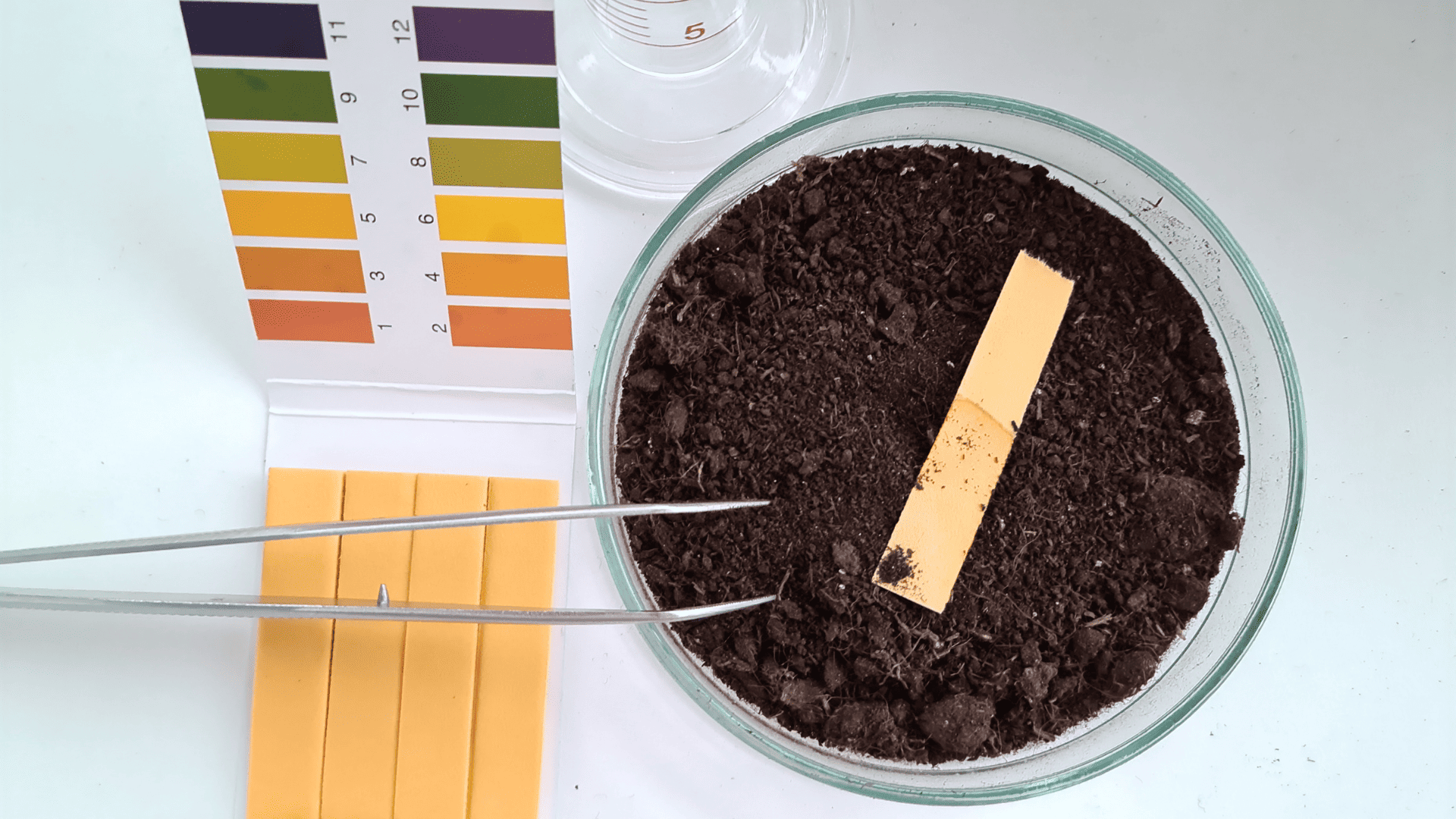
Why Fall Is the Perfect Time to Test Your Soil
By autumn, your garden has left behind a season’s worth of evidence. Perhaps the tomatoes thrived while the peppers struggled, or the lawn developed stubborn bare patches despite regular attention. Fall soil testing gives you an opportunity to investigate these patterns while they are still fresh in your mind, rather than trying to remember what went wrong when spring arrives.
Autumn is also practical because garden beds are often accessible, temperatures are more comfortable for outdoor work, and winter provides time to plan improvements. Some amendments, including lime used to raise soil pH, take time to influence soil conditions, so applying them according to test recommendations well before planting can be helpful. Other adjustments depend on the specific soil problem and the intended plants. Testing now lets you make a thoughtful plan instead of rushing to correct everything when the first warm weekend arrives.
One Yard, Different Soil Stories
It is tempting to assume that every part of your property shares the same soil conditions. In reality, lawns, vegetable beds, and ornamental borders may have different pH levels and nutrient needs because of their planting histories, maintenance practices, and previous amendments. A new homeowner may also discover that an old garden bed has received years of fertilizer while another area has been largely neglected.
Consider these differences when deciding what to test:
- Lawns: Turfgrass needs suitable pH and nutrient availability to support healthy growth. Testing can help explain persistent thin patches, although shade, compaction, drainage, and other problems should also be investigated.
- Vegetable gardens: Tomatoes, peppers, leafy greens, and other crops benefit from appropriate nutrient levels and pH. Testing helps you prepare productive beds without adding unnecessary fertilizer.
- Flower beds and shrub borders: Different ornamentals have different preferences, and some plants require more acidic conditions than others. Testing helps you choose appropriate amendments rather than treating every plant alike.
For the most useful information, collect separate samples from distinct growing areas, especially when one area performs differently from another. Your lawn and vegetable garden do not need to share a soil-improvement plan simply because they share a property line.
How to Collect a Soil Sample Without Making a Mess
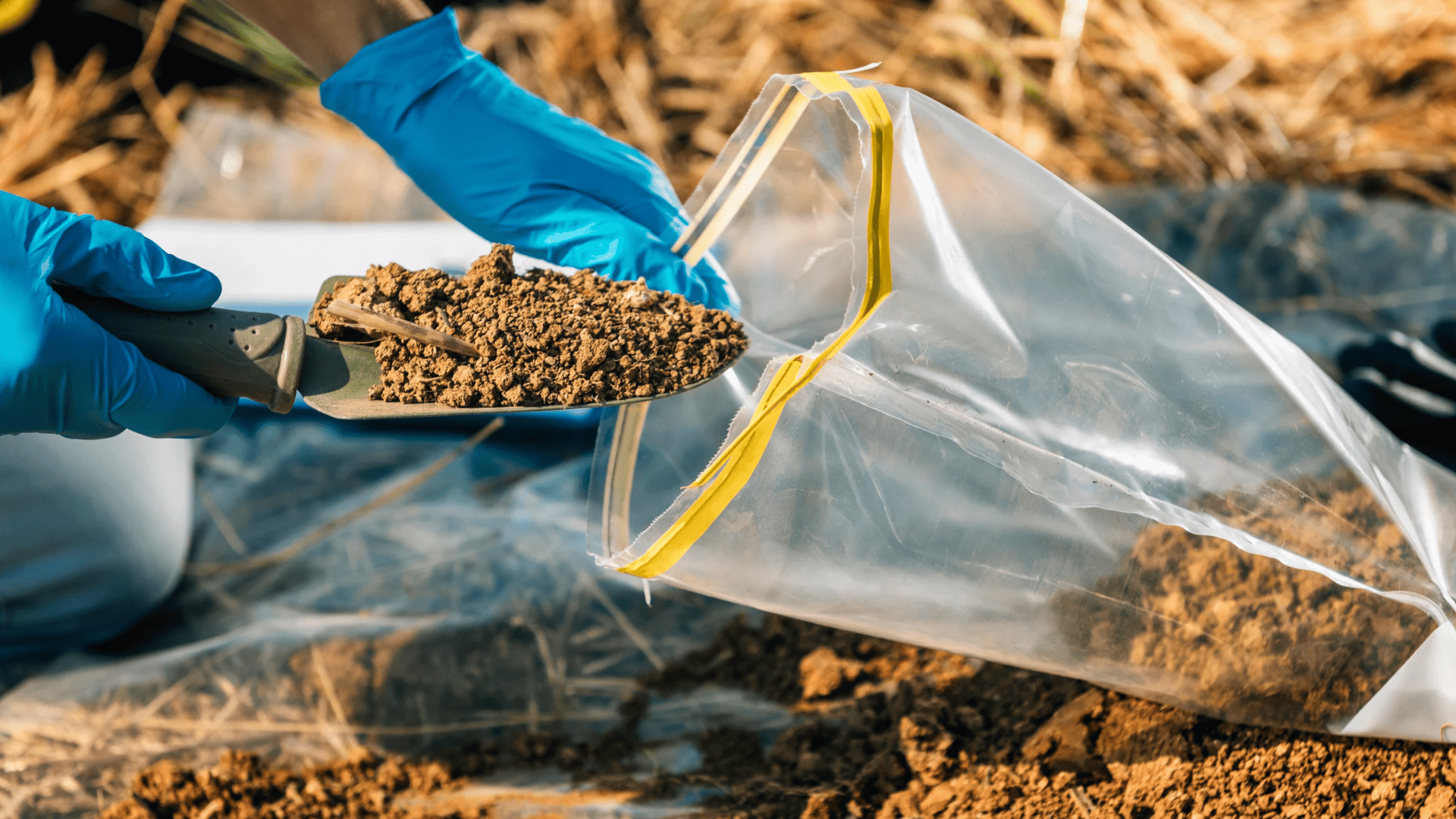
Learning how to test garden soil begins with collecting a representative sample. You do not need elaborate equipment, but you do need clean tools, a suitable container, and samples that accurately represent the area you want to investigate. Always follow the instructions supplied with your testing kit, since laboratory requirements can vary.
Use these straightforward steps to get started:
- Choose your testing area. Sample one uniform growing area at a time, keeping lawns, vegetable plots, and ornamental beds separate.
- Gather several small samples. For garden beds, collect soil from approximately four to six inches deep, removing surface debris first. For lawns, follow the recommended sampling depth for turfgrass.
- Avoid unusual spots. Keep samples away from compost piles, fertilizer spills, recently amended patches, and other places that could distort the overall result.
- Label and submit. Identify the area represented by each sample and follow the kit’s directions for packaging and delivery.
Avoid sampling immediately after applying fertilizer, lime, or other amendments, because recent applications can influence results. If you have already amended the soil, consult your testing provider about the appropriate waiting period. A little preparation makes the results more useful and saves you from having to repeat the process.
Understanding Your Results and Making Smarter Soil Improvements
Once your results arrive, start with the pH reading, then review the nutrient levels and recommendations for the plants you intend to grow. A result that looks concerning in isolation may be perfectly suitable for one plant while being less appropriate for another.
Common amendments serve different purposes, so choosing the right one matters:
- Lime: Often recommended when soil is too acidic and the pH needs to rise.
- Sulfur: Sometimes used to lower soil pH, although the amount and effectiveness depend on soil conditions.
- Compost: Adds organic matter and can improve soil structure, moisture retention, and biological activity. It is not a universal fix for every nutrient deficiency.
- Fertilizer: Supplies specific nutrients when needed, but excessive applications can create imbalances and contribute to toxic runoff in our rivers and oceans.
Follow the recommended application rates rather than assuming more is better. If your report identifies a nutrient deficiency, address that particular need instead of applying a general-purpose product without checking its ingredients. Good soil management is less about adding everything available and more about supplying what is missing while protecting what is already working.
Soil Testing Made Easier at Primex Garden Center
For local homeowners, soil testing in Glenside, PA, can begin with a simple visit to Primex Garden Center. If you want to check your soil’s acidity or alkalinity, bring in a soil sample for an in-store pH test. This provides a useful starting point when you suspect pH may be affecting your plants, although it does not replace a comprehensive laboratory analysis.
For a deeper look at your soil, Primex also sells Penn State soil test kits. These kits allow you to obtain a more detailed analysis of soil nutrients and recommendations for appropriate amendments through laboratory testing. That extra information can be particularly valuable for vegetable gardeners, homeowners dealing with persistent growing problems, and beginners who are still learning their property’s soil conditions. If you are unsure which option suits your situation, the garden center can help you understand the difference between a basic pH check and a more comprehensive assessment.
Dig Deeper at Primex’s November 7 Soil Lecture
Sometimes a test result raises just as many questions as it answers. What does a particular pH reading mean for your favorite plants? When should you use lime, and when is it better to leave the soil alone? Understanding the reasoning behind soil recommendations helps you make better decisions long after the test itself is finished.
Primex Garden Center will host a soil lecture on November 7, offering gardeners an opportunity to learn more about soil health and practical ways to improve growing conditions. Whether you are an experienced gardener or just getting started, the lecture is a chance to build your understanding and approach next season with greater confidence. Consider bringing your questions about struggling plants, vegetable beds, or soil-test results so you can put what you learn to work in your own garden.
Better Gardens Start Beneath the Surface
A healthy garden starts with understanding your soil’s pH and nutrient levels and knowing which amendments can help your plants thrive. Fall is an ideal time to investigate growing problems and prepare your lawn, flower beds, and vegetable garden for spring. Visit Primex Garden Center to get your soil testing started with an in-store pH test or a Penn State soil test kit for a more in-depth analysis.