Saving Tender Favorites Before Frost
October 26, 2026
Learning how to overwinter plants can turn late October from a race against the weather into a thoughtful garden ritual. Take a slow walk around your garden and porch to notice which plants are vulnerable, which are worth saving, and which are perfectly happy to finish their season outside. You do not need to rescue every geranium, dig every root, or turn your home into a greenhouse; the goal is simply to make a few good decisions before frost makes them for you.
Know Which Plants Need Your Attention
- Tropical favorites such as hibiscus and bougainvillea can be especially vulnerable to frost, while tender annuals such as coleus and many geraniums may also need protection when temperatures fall. Patio containers deserve a second look, too, because plants in pots generally have less insulation around their roots than plants growing in the ground.
- Summer bulbs and tubers such as dahlias and cannas belong on the fall radar as well. These plants can often be lifted, stored, and replanted the following year rather than discarded when the foliage fades.
- Hardy perennials and other cold-tolerant plants can usually remain outdoors to go dormant naturally. Rather than making an enormous list, walk your property and identify your priorities: the enormous hibiscus you have babied all summer, the coleus cutting from a favorite variety, or the dahlia that produced flowers worth remembering.
Save It or Say Goodbye?
Not every plant needs a ticket to the indoor winter resort. Before carrying a large pot through the front door, ask a few practical questions: Is this plant difficult or expensive to replace? Is it a favorite variety that you particularly enjoy? Does it have sentimental value? Most importantly, do you actually have enough indoor space, light, and patience to keep it healthy until spring?
Plant health matters, too. A vigorous plant with strong growth is generally a better candidate for overwintering than one that has spent the summer struggling with disease, severe pest problems, or declining health. Sometimes the wisest choice is to preserve a cutting, save a few tubers, collect seeds where appropriate, or simply allow a plant to complete its life cycle outdoors.
How to Bring Tender Plants Indoors
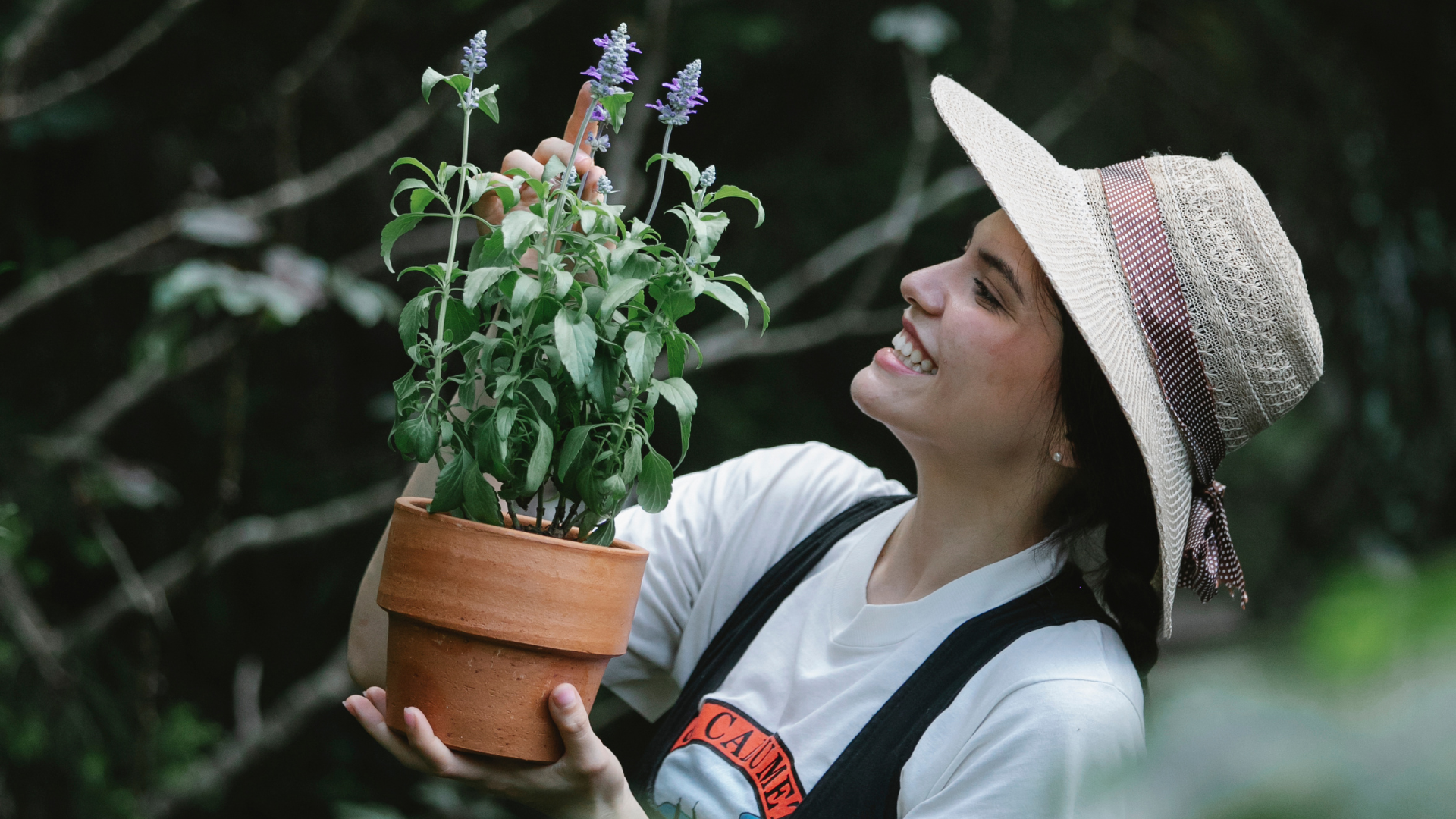
Bringing plants indoors for winter works best when it is treated as a transition rather than a dramatic overnight relocation.
- Inspect First: Before moving a plant inside, inspect the leaves, stems, soil surface, and undersides of leaves for insects or signs of disease. Remove dead or damaged growth, clean the outside of the container, and deal with any obvious pest problems before the plant joins your houseplants.
- Prune, if Necessary: Pruning can make large plants easier to accommodate, although the amount and timing should depend on the individual plant.
- Adjust Light Slowly: Indoor conditions are dramatically different from a sunny summer patio. Lower light, warmer indoor temperatures, and drier air can cause some plants to drop leaves or look less vigorous while they adjust. Give them an appropriate transition time, moving them indoors for a few hours at first, before making the full-time switch.
- A Good Location: Choose a location based on each plant’s light needs, avoid placing them directly beside heating vents, and allow some time for the plant to settle into its new routine.
Take Cuttings When the Whole Plant Cannot Come Inside
Sometimes the problem is not whether a plant can survive indoors but whether your living room can survive the plant. A giant coleus, sprawling tropical, or enormous container specimen may simply be too much greenery for the available space. Taking cuttings can provide a clever middle ground, allowing you to preserve a favorite plant without finding room for the entire summer-grown version.
Coleus, geraniums, some tender herbs, and several other soft-stemmed plants can be propagated from healthy cuttings. Choose vigorous, disease-free stems and make clean cuts with a sharp, clean tool. Depending on the plant, cuttings can often be rooted in water or a lightweight, consistently moist rooting medium. Keep them in bright, indirect light and provide enough moisture to prevent wilting without leaving them waterlogged.
Once rooted, cuttings still need good winter conditions. They are small, but they are not invincible. Keep an eye out for pests, give them adequate light, and resist the temptation to overwater simply because they look delicate. By spring, a few carefully chosen cuttings may have developed into healthy young plants ready to return outdoors.
Dig and Store Summer Bulbs and Tubers
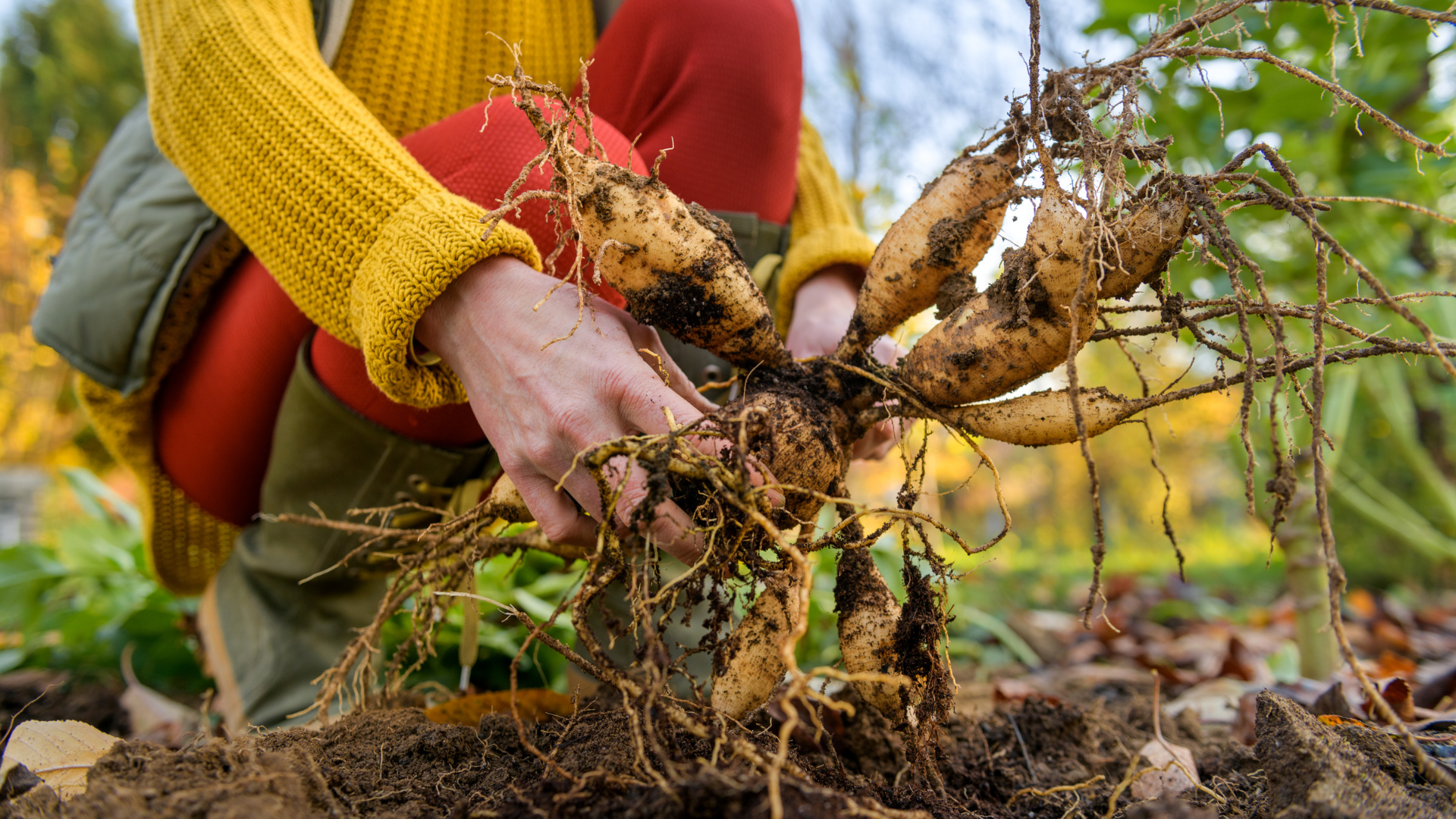
Dahlias and cannas offer another way to preserve summer without keeping the whole plant alive indoors. After frost damages the foliage, or once the plant has naturally begun to decline and the season is clearly ending, gardeners can dig the underground structures for winter storage. Timing can vary with weather, but the important point is to complete the job before the ground freezes solid.
Use a garden fork or shovel to lift the plants carefully, working far enough from the crown or clump to reduce the chance of cutting into the tubers or rhizomes. Shake or brush away excess soil, then allow the material to dry appropriately before storage. Damaged or diseased pieces should be removed rather than packed away with healthy ones.
Storage conditions vary by plant, but the general goal is a cool, dark, protected place where the material will not freeze, rot, or dry into dust. Good airflow can help reduce moisture-related problems. Label varieties before putting everything away, especially if you have several kinds of dahlias or cannas. Check stored material occasionally through winter so you can catch rot or excessive drying before it becomes a larger problem.
What Can Stay Outside?
Saving plants is only half of good fall gardening. Hardy perennials are designed to experience seasonal dormancy, and many are better left outdoors rather than disturbed unnecessarily. Their foliage may fade, stems may collapse, and the garden may look quieter, but that does not mean the plants have failed.
Annuals can also be allowed to finish naturally once cold weather ends their growing season. Some may provide seeds for next year’s garden or food and shelter for wildlife, while others simply complete their brief but worthwhile contribution. Knowing how to protect plants from frost is useful, but knowing when not to intervene is equally valuable. Good fall gardening is not about saving everything; it is about understanding what needs help and allowing the rest to follow its natural rhythm.
Organization 101: Make Next Spring Easier
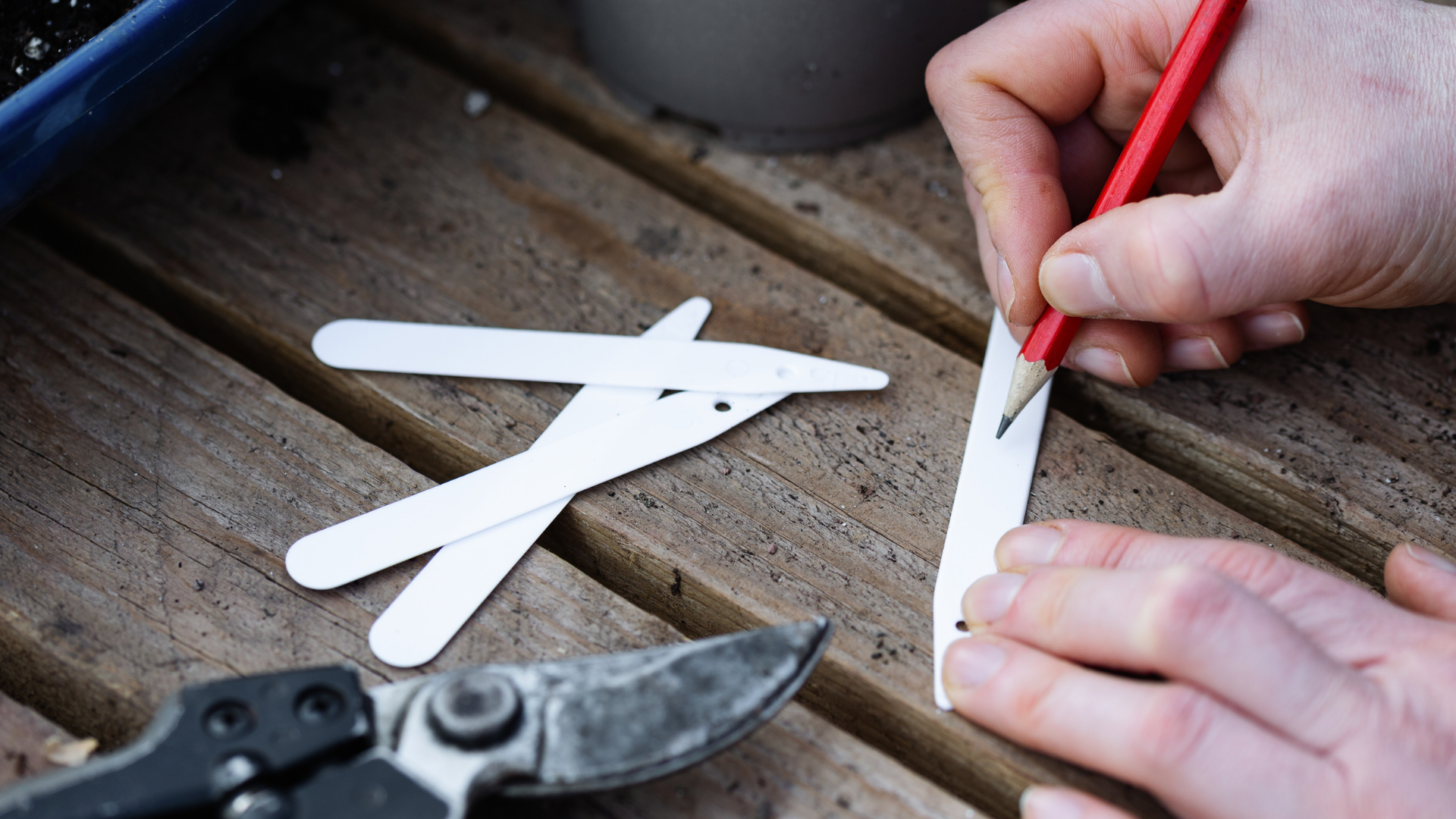
A little organization in October can save considerable head-scratching in April. Label stored bulbs, tubers, cuttings, and overwintered plants clearly, including the variety and, if useful, where the plant grew during the previous season. A simple note about what worked well—and what absolutely did not—can become a surprisingly useful record for future years.
This is especially helpful with fall gardening in Glenside, PA, where changing temperatures can make the timing of tasks feel different from one year to the next. Write down which plants came indoors too early, which ones thrived near a bright window, which cuttings rooted successfully, and which storage methods kept bulbs in good condition. Next autumn, you will have something better than memory: you will have your own garden-tested playbook.
Bringing it All Home
Late October is a chance to choose a few treasured plants, preserve what matters, and let the rest of the garden settle gracefully into winter. Whether you are saving a beloved hibiscus, rooting a few coleus cuttings, or storing dahlia tubers, thoughtful choices make the transition easier and more rewarding. When you are ready to plan how to overwinter plants or prepare your garden for the seasons ahead, stop by Primex Garden Center for helpful advice, plants, and supplies.