Herb Containers to Keep Enjoying in Late-Summer and Fall
August 31, 2026
Container herb gardening can still be productive, fragrant, and delicious in late summer, even when plants look tired and overgrown. For Glenside gardeners with limited patio or porch space, container herb gardening makes it easy to grow favorites like basil, parsley, mint, rosemary, and thyme within reach of the kitchen. With regular harvesting, light trimming, and thoughtful watering, your favorite herbs can keep producing plenty to pick and enjoy throughout the fall months.
Herbs Check-In: How Are They Doing?
Late August is the perfect time to assess each herb container before deciding what needs attention. Yellowing leaves may signal watering or nutrient issues, brown or crispy foliage can point to heat or drought stress, while long, bare stems may mean an herb has become leggy or woody. Most herbs are surprisingly resilient and bounce back with correct trimming, thinning, and watering.
The biggest cause of unproductive herbs is simple neglect, but with thoughtful care, many plants can quickly recover.
 Trimming Herbs for Recovery
 Trimming Herbs for Recovery
Trimming helps shape a plant, remove tired growth, and keep your herbs productive through the fall. Start by removing faded flowers where appropriate, particularly if you want to encourage leafy growth from herbs. Thin out crowded stems so air and light can reach the interior of the plant, and remove damaged or obviously declining growth. A few careful snips can make a tired container look surprisingly refreshed.
Pro Tip: As a general rule, don’t remove more than one-third of a plant. Keep in mind that plants already stressed by heat, drought, or poor drainage may not appreciate aggressive pruning.
 Harvesting Is Part of Herb Care
One of the best things you can do for many herbs is use them. Regular harvesting encourages fresh growth on herbs such as basil and mint while keeping plants from becoming overly tall and unruly. Instead of waiting for the perfect giant harvest, take small amounts often and turn them into dinner.
- Basil is happiest when harvested regularly, particularly before or as flower buds begin appearing. Pinch or cut stems just above a pair of leaves, which encourages the plant to branch instead of sending all its energy upward.
- Parsley can be harvested by cutting individual outer stems near the base, allowing newer growth in the center to continue developing.
- Mint is famously enthusiastic, so harvesting it is rarely a hardship. Cut stems back above a set of leaves and use the fragrant leaves in drinks, salads, sauces, or summer desserts.
- Thyme and Rosemary generally need less frequent harvesting, but you can snip young, leafy stems as needed while avoiding excessive removal of older, woody growth.
- Dill: Harvest young leaves as needed by snipping stems close to the main plant. For a fuller harvest, cut a few stems at a time rather than removing the entire plant.
- Cilantro (Coriander): Cut the outer stems near the soil line, leaving the newer inner growth to develop. If the plant begins flowering, harvest leaves quickly before it becomes too focused on producing seeds.
- Oregano: Snip leafy stems just above a pair of leaves, taking no more than about one-third of the plant at a time. Regular trimming helps keep oregano bushy and prevents it from becoming overly leggy.
- Sage: Pick individual leaves or cut young stems just above a leaf pair. Avoid cutting deeply into old, woody sections, which may produce new growth slowly.
- Chives: Gather several stems together and cut them about an inch above the soil. A clean, even trim encourages fresh shoots and keeps the plant looking tidy.
Reviving Parched Herbs with Water
Herbs suffering from lack of water or drought stress may bounce back with a thorough watering. Slowly soak the soil until water begins draining from the bottom of the container, then give the plant time to recover rather than immediately watering it again. Severely dry soil may need a second, slower soaking because it can initially repel water.
Remove badly damaged or crispy growth once the plant has recovered, but be realistic about when to call it quits. If stems are completely brown and brittle, the roots are dead, or there is no sign of new growth after several days of proper watering, the herb may be beyond saving.
Sowing Fall Cool-Season Herbs
As weather cools down, late summer is an invitation to sow cool-season, fast-growing herbs in your garden for an autumn harvest. Cilantro, dill, parsley, chervil, and leafy herbs such as arugula can handle cooler temperatures and provide fresh flavor well into fall.
Sow seeds in late August or early September, keeping the soil consistently moist while they germinate and establish. With a little luck—and some intentional coverings on frosty nights—you can keep snipping fresh herbs long after summer’s heat has departed.
Moving Herbs Indoors for Winter
 Moving Herbs Indoors for Winter
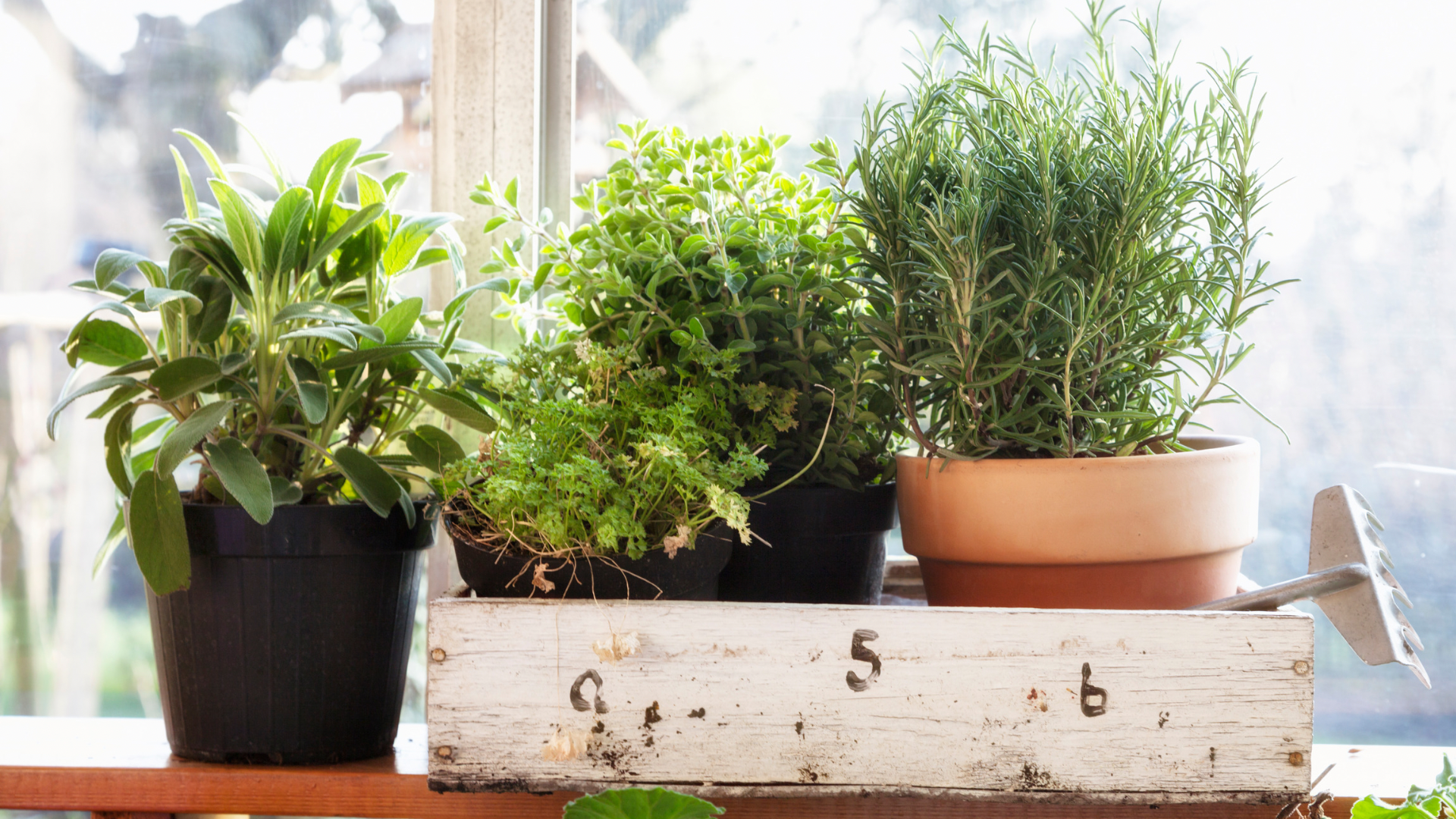
There is no need to drag every herb indoors the moment the calendar hints at September. As long as outdoor conditions remain favorable, your plants can continue enjoying natural sunlight, fresh air, and the growing season. For now, simply start identifying which herbs might be worth keeping inside later.
Tender or particularly useful herbs can be good candidates, especially if you use them frequently in the kitchen. Before bringing anything indoors, inspect leaves, stems, and the soil surface for insects or other unwanted passengers. A plant that looks perfectly innocent on the patio can reveal a surprising collection of tiny roommates once it moves into the kitchen.
Container herb gardening can easily continue indoors, where a sunny windowsill, compact planter, or grow light can keep favorite culinary herbs within easy reach of the kitchen. If you plan to bring a container inside, give it a little transition time when the weather begins changing. . Moving plants gradually and placing them in a bright location can make the adjustment easier. Until then, there is no reason to rush the move when your herbs are still happily growing outside.
Keep Picking, Cooking, and Enjoying
 Keep Picking, Cooking, and Enjoying
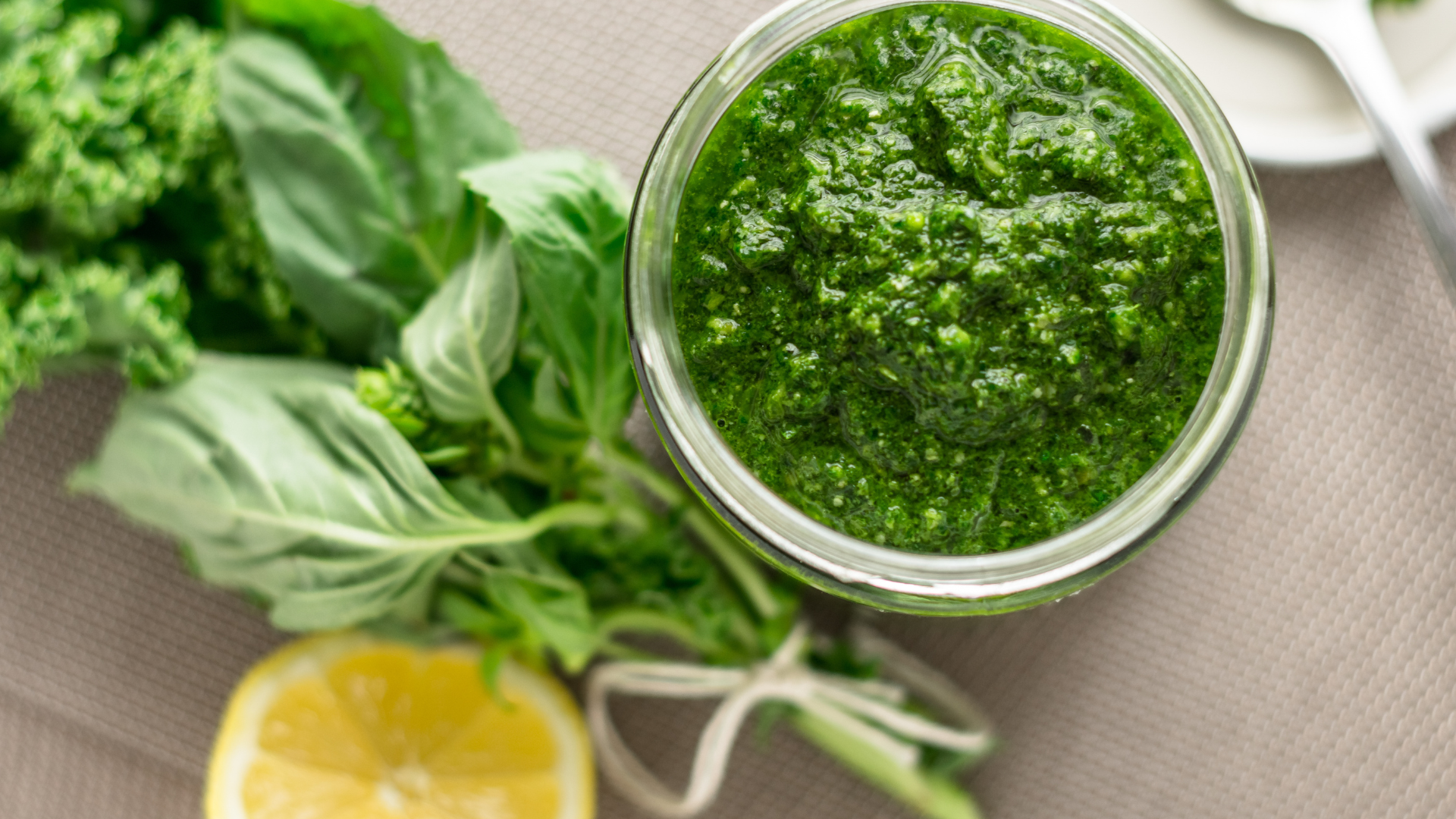
Late summer is no time to admire your herb garden from a distance while wondering what to do with it. Seize the day and make use of the abundance by making pesto, herb butter, salad dressing, marinades, and sauces. A few sprigs of thyme or rosemary can raise the impact of any meal.
Fresh mint can brighten water, iced tea, fruit salads, and summer desserts, while parsley can add color and freshness to nearly anything savory. Basil can become the star of pasta, sandwiches, salads, and homemade pesto.
Just because it’s the tail end of the growing season in Glenside, PA, doesn’t mean your herb garden should stop expanding. Adding new herbs to grow in containers now means you can take advantage of fall weather while preparing an abundant windowsill garden for winter.
There Is Still Plenty of Herb Season Left
A little attention now can keep containers productive and attractive while helping you make the most of every fragrant leaf before cooler weather arrives. For more advice, containers, soil, gardening supplies, and help refreshing your planters, visit Primex Garden Center and make the most of the season you have left. With care and continued container herb gardening, there are still plenty of fresh flavors waiting to be enjoyed.