How Caring for Houseplants Can Care for You
December 22, 2025
Caring for plants becomes a reciprocal exchange: we nurture them, and they nurture us in return.
The best houseplants not only bring beauty into our lives but improve the whole health and well-being of our home. Their presence supports both the body and the mind, offering daily benefits that accumulate quietly, like slow magic. Whether you keep a single windowsill succulent or a living room full of greenery, the health benefits are real, tangible, and closer than you think.
The Physical Effects: How Houseplants Heal
Plants support our bodies in ways that are surprisingly profound. Many houseplants increase oxygen levels through photosynthesis, adding freshness to indoor air that our lungs appreciate—especially in winter when windows stay closed. Some species even absorb common indoor pollutants like benzene, formaldehyde, and trichloroethylene, making them natural allies for respiratory health. Even if the improvements are subtle, our bodies respond to cleaner, oxygen-rich air with deeper breaths, steadier heart rates, and a quiet sense of ease. Many of the plants listed here easily earn a spot among the best houseplants for health, thanks to the way they clean the air and create a calmer home atmosphere.
Research shows that simply being around greenery can lower blood pressure and reduce cortisol, the stress hormone that rises during long commutes, heavy workloads, or sleepless nights. These physical shifts happen quickly, often within minutes, showing just how attuned our systems are to natural elements. A houseplant on a shelf or desk becomes more than “decor”—it becomes a microenvironment that nudges our bodies toward steadiness. Plants don’t demand attention to work their magic; they simply grow, breathe, and refresh the air in ways that ripple through our physiology.
Environmental Psychology: Why Houseplants Improve How We Think and Feel
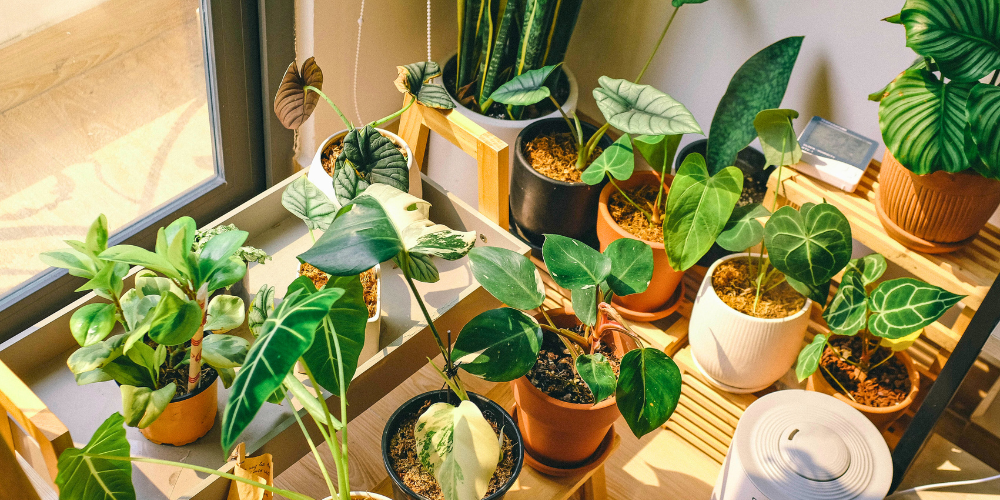
Environmental psychology helps explain why plants influence our minds as much as our bodies. Studies in this field show that natural elements support “soft fascination,” a gentle form of attention that restores mental clarity. When we look at leaves, patterns, or organic forms, our cognitive load decreases, allowing the brain to reset. This leads to better focus, enhanced creativity, and improved problem-solving—traits especially helpful in work-from-home setups or busy households.
Indoor plants have also been shown to reduce stress levels and increase feelings of peace and calm. When we bring greenery inside, we are essentially borrowing nature’s psychological benefits and placing them within arm’s reach. A fern on a bathroom shelf, a pothos trailing beside a computer, or a warm, leafy presence near a reading chair can all create micro-moments of grounding throughout the day. Research consistently finds that these small interactions add up, making homes and workplaces more restorative places to spend time.
Historic Houseplants: A Tradition Rooted in Human Need
Our love for indoor plants is not new. Throughout history, people have recognized that bringing greenery into living spaces improves quality of life. In ancient Rome, families kept indoor courtyards filled with citrus trees, herbs, and flowering shrubs to soften urban living and provide sensory relief. In Victorian England, parlor palms, ferns, and conservatories became staples of middle-class homes as people discovered the joy of creating their own indoor jungles.
Today’s houseplant boom echoes these historic patterns. When life becomes stressful, or technology feels overwhelming, people return to greenery, seeking comfort in the same way generations before us did.
Indigenous Perspectives: Plants as Relatives and Teachers
Indigenous wisdom traditions across the world view plants not as objects but as living relatives, teachers, and contributors to community well-being. Many Indigenous cultures in North America describe plants as beings with their own forms of intelligence—entities that listen, respond, and guide. This worldview encourages a relationship of respect and reciprocity, where people care for plants not just for utility but for shared balance.
From this perspective, the benefits of being around plants aren’t only physical or psychological—they’re relational. Plants offer lessons in patience, adaptability, humility, and growth. Their seasonal rhythms remind us to move in cycles rather than constant urgency. When we bring plants into our homes, we’re inviting living beings who contribute to emotional grounding, ancestral wisdom, and a sense of belonging to something larger than ourselves. Environmental psychology captures the scientific side of these benefits, but Indigenous teachings offer a deeper spiritual and cultural layer.
The Routine of Plant Care: A Restorative Practice
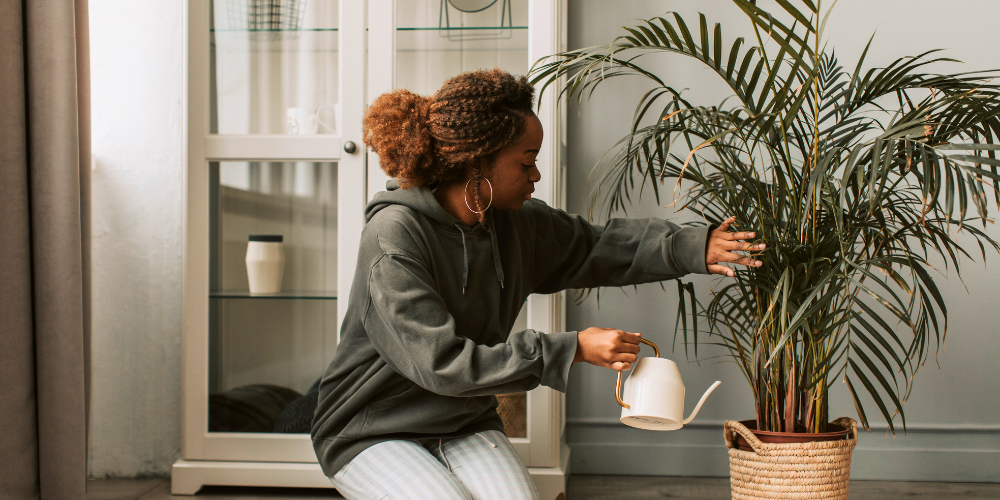
The act of caring for plants often becomes a wellness ritual of its own. Watering, pruning, and repotting require presence and attention, encouraging us to slow down and focus on the moment. These small, repeated gestures can feel like meditation, especially when the rest of life is fast and fragmented.
The tradition of bonsai beautifully illustrates this connection between care and mindfulness. Rooted in both Chinese penjing and later shaped by Japanese Zen Buddhism, bonsai cultivation is a deliberate practice that blends patience, discipline, and observation. Every trim or wire adjustment requires awareness, inviting the grower into a contemplative relationship with the plant.
Zen philosophy teaches that tending a bonsai mirrors tending one’s inner landscape—a gentle, ongoing shaping of what we want to grow within ourselves. Caring for plants becomes a reciprocal exchange: we nurture them, and they nurture us in return. You can mix and match tiny indoor favorites to build a relaxing space, especially if you include a few of the best houseplants for health that thrive in terrarium settings.
Bringing Your Home to Life: Houseplants for Every Room
The world of houseplants is wonderfully diverse, offering options for small desks, dim hallways, spacious living rooms, and airy sunrooms. For compact spaces, consider beginner-friendly houseplants such as pothos, ZZ plants, or string of pearls, which fit easily on shelves or office desks without taking up much room. For medium spaces, peace lilies, ferns, Chinese evergreens, and rubber plants bring lushness and reliable growth.
If you want something transformative, large indoor trees like fiddle-leaf figs, parlor palms, bird of paradise, or indoor citrus trees can completely shift the atmosphere. They create visual anchor points, soften architectural lines, and introduce gentle movement as their leaves sway with airflow. Each plant adds something different—elegance, vibrancy, calm, or texture—and all contribute to a healthier home.
A Nourishing Palette: Indoor Herb Gardens
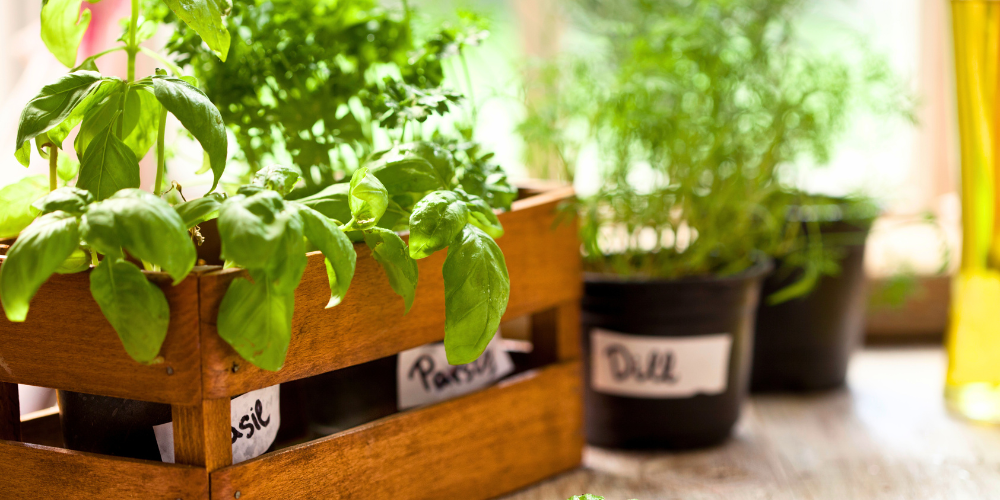
Herb gardens are among the most rewarding indoor plant traditions because they nourish both the home and the body. Herbs like basil, mint, thyme, oregano, and rosemary contain essential oils, antioxidants, and vitamins that support digestion, mood regulation, and immune function. Adding fresh herbs to meals boosts flavor while offering subtle benefits to physical health.
Beyond nutrition, herbs carry uplifting scents that brighten kitchens, refresh morning routines, and add sensory richness to daily life. Crushing a mint leaf between your fingers or plucking a sprig of rosemary can spark joy and creativity. Growing herbs indoors connects us more directly to what we eat, bringing mindfulness and freshness to the foods we share with others.
Growing Together with Houseplants
Houseplants bring our homes to life in the best ways, offering greater health, emotional grounding, living relationships, and simple sensory pleasure. They remind us that healing doesn’t always come from grand gestures; sometimes it grows quietly on a windowsill. If you’re looking to brighten your living space or strengthen your daily well-being, a few green companions might be the perfect place to begin.
Still don’t believe us? Come experience the healing power of houseplants for yourself at our garden center in Glenside, PA.