Determinate vs. Indeterminate Tomatoes
June 25, 2025
When you start growing tomatoes, you’ll quickly hear about two main types: indeterminate and determinate. These terms might sound a little confusing at first, but they’re just a way of describing how different tomato plants grow and produce fruit. Knowing the difference helps you pick the right kind for your space, time, and tomato goals. In this blog, we’ll describe everything you need to know to make the perfect tomato choice!
Tomato Introductions: First Impressions
Determinate tomatoes, sometimes called “bush tomatoes,” have a determinate size. They grow to a certain height—usually around 2 to 4 feet—and then stop. Once they hit their max height, they put all their energy into producing fruit at once.
Indeterminate tomatoes are known as “vining tomatoes.” Their shape and size are indeterminate. They keep growing, climbing, and fruiting throughout the whole season. That means you’ll get a steady trickle of tomatoes all season long, all the way to the first frost.
Determinate Tomatoes: Pros and Cons
Determinate tomatoes are ideal for anyone who wants a big harvest all at once. If you’re dreaming of canning jars with homemade marinara or salsa by early August, determinates are your go-to. Popular varieties include ‘Roma,’ ‘Celebrity,’ and ‘Bush Early Girl’—dependable, productive, and not too fussy.
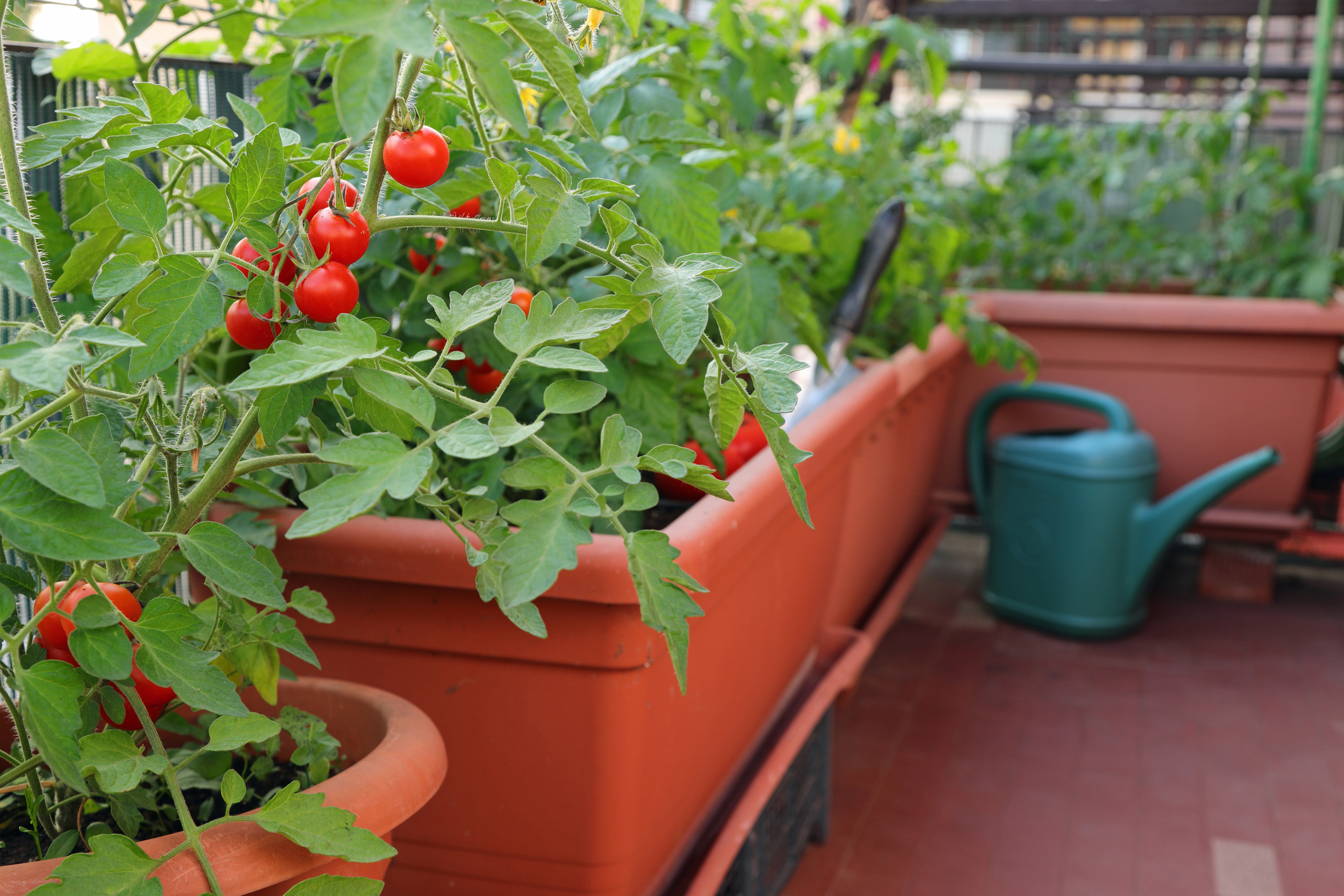
One of the best parts? Determinate tomatoes don’t need as much staking or pruning. Because they stay compact, you won’t find yourself wrestling a vine taller than your shed. They’re great for small spaces, raised beds, and even large containers—perfect for balcony growers or those short on time.
Indeterminate Tomatoes: Pros and Cons
Once indeterminate tomatoes start producing, they give you a sustained harvest for the rest of the year. Because they never stop growing, they produce more and more leaves that translate into more power for producing tomatoes.
They can grow over 6 feet tall, sometimes much more with support. These are the types you see trained up trellises, cages, or tall stakes. With their enthusiastic growth, they need a little more hands-on care—but the reward is a long, juicy summer of fresh tomatoes. Varieties like ‘Brandywine,’ ‘Cherokee Purple,’ ‘Sun Gold,’ and ‘Beefsteak’ fall into this category.
Because they grow so tall and keep flowering, indeterminates benefit from regular pruning. You’ll want to pinch off suckers (those little shoots that appear in the leaf axils) to keep the plant’s energy focused on producing fruit, not just foliage.
Which Tomato is Right for You?
The best tomato for you—determinate or indeterminate—depends on your garden’s style, size, and the time you want to spend out there with your hands in the dirt. Here’s a quick breakdown to help:
- Want all your tomatoes at once for cooking or canning? Go determinate.
- Love picking tomatoes every week for sandwiches and salads? Indeterminate is your friend.
- Limited space, like a patio or balcony? Determinate fits in containers better.
- Plenty of room and a tall trellis or cage? Indeterminate will reward your efforts.
- Not much horizontal space, but potential for vertical growing? Indeterminates can be trained to grow upwards on trellises and lattices.
Beginners in Pennsylvania often benefit from trying one of each type their first year. This way, you get the joy of an early harvest and the continued pleasure of fresh tomatoes into September.
Pruning Tomatoes: Determinate vs. Indeterminate
Pruning tomato plants helps improve airflow, reduce disease, and encourage healthy fruit production—but how you prune depends on the type of tomato you’re growing.
Determinate tomatoes don’t need much pruning. Since they grow to a set height and produce fruit all at once, heavy pruning can actually reduce your harvest. For these bushier plants, stick to removing only the bottom leaves that touch the soil and any small suckers (those little shoots that grow where the leaves meet the main stem) below the first flower cluster. This keeps the plant tidy without interfering with its natural growth cycle.
Indeterminate tomatoes, on the other hand, benefit from regular, gentle pruning. These vining varieties grow all season long, and without a bit of guidance, they can turn into a leafy jungle. To keep your plant focused on producing fruit instead of endless foliage, pinch off the suckers that appear in the leaf axils. Aim to leave one or two main stems and remove lower leaves as the plant grows taller to improve air circulation. Always use clean hands or pruners, and try pruning in the morning when the plant is dry to prevent spreading disease.
Supporting Your Tomatoes (So They Can Support You)
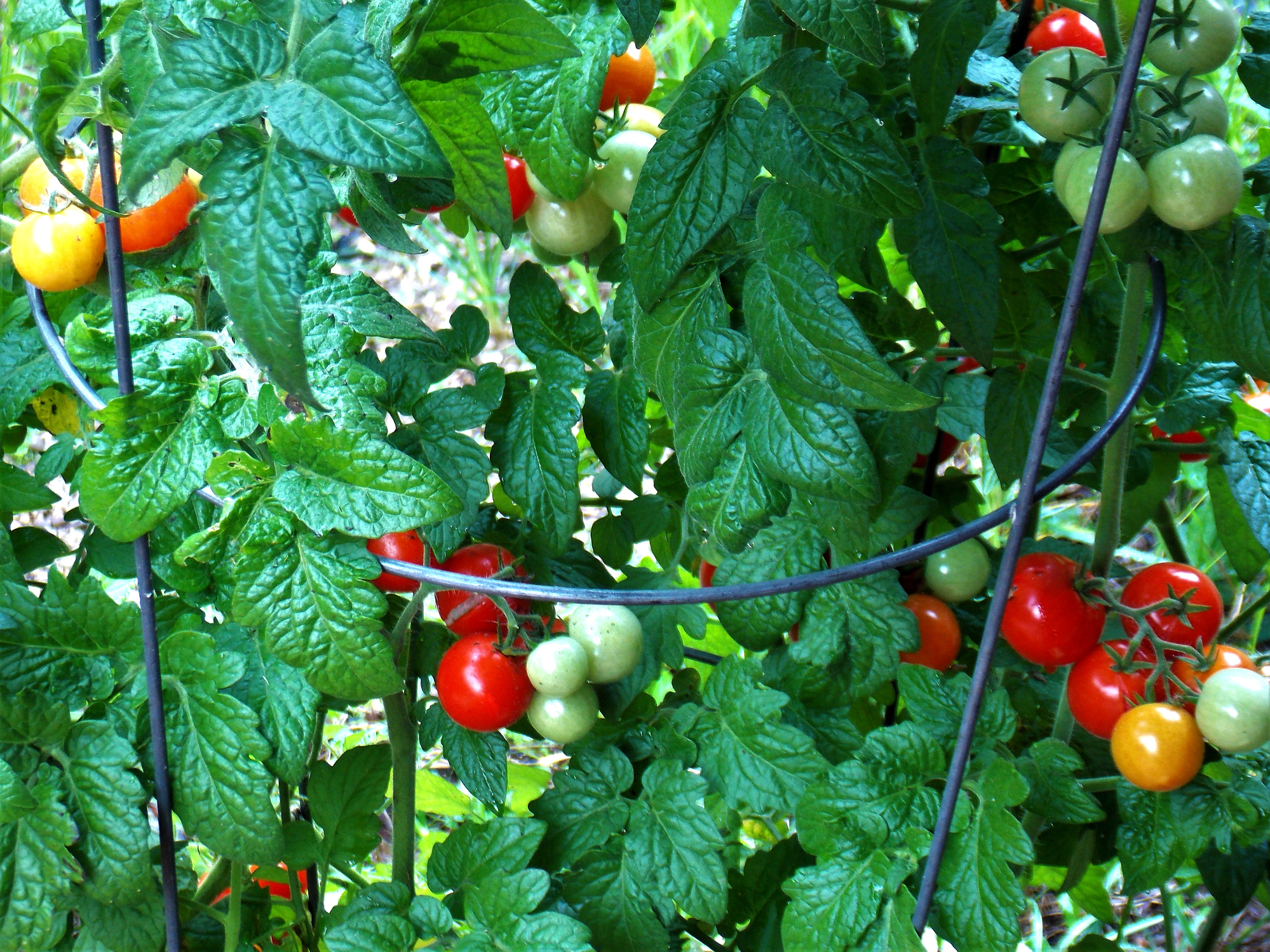
One of the main differences between determinate and indeterminate tomatoes is how you’ll support them as they grow. Determinate plants are short and bushy—many can get by with a simple tomato cage or small stake. You don’t need to fuss with pruning unless you want better airflow or sunlight penetration.
Indeterminate plants, on the other hand, are the jungle gym enthusiasts of the tomato world. Without proper support, they’ll sprawl across your garden like a sleepy cat in a sunbeam. Use tall cages, wooden stakes, or string trellises to keep them upright and off the ground. Regular pruning helps keep them healthy, tidy, and productive.
Training your indeterminates can feel like a summer ritual—check on them, pinch off suckers, tie up new growth. It’s surprisingly meditative and gives you a good excuse to form a closer friendship with your tomato plant.
Tomato Troubles and How to Avoid Them
Whether you choose determinate or indeterminate types, some tomato troubles are universal. Keep an eye out for pests like tomato hornworms (big, green, and shockingly hungry), aphids, and flea beetles. Pick them off by hand or try insecticidal soap if things get out of hand.
Blossom end rot—those brown sunken spots on the bottom of fruits—is usually caused by inconsistent watering or calcium deficiency. Mulch helps maintain even moisture, and crushed eggshells or garden lime can improve calcium availability. Just don’t go overboard—tomatoes like moderation.
And don’t forget about crop rotation. If you planted tomatoes in the same spot last year, give that soil a break. Rotate with legumes, leafy greens, or root veggies to reduce disease build-up. It’s one of those organic practices that keeps your whole garden healthier long term.
Tomato Plant Types in PA: What Grows Best?
When it comes to tomato plant types in PA, it’s hard to go wrong with a mix of early, midseason, and late varieties. Pennsylvania’s growing season is long enough to support both determinate and indeterminate tomatoes, but be mindful of your first frost date (typically late September to early October in most areas).
For early harvests, try determinate types like ‘Bush Early Girl’ or ‘Glacier.’ They’ll mature quickly and give you a good start. Indeterminate options like ‘Brandywine’ or ‘Black Krim’ take longer to mature but reward you with big, flavorful fruits and continuous harvests until frost.
The Last Word on Tomatoes
So, what’s the real difference between determinate and indeterminate tomatoes? Determinate tomatoes give you a burst of harvest all at once and grow to a compact size. Indeterminate tomatoes keep the harvest rolling all season long, need a little more attention, and grow like they’ve got big dreams.
No matter which you choose, growing tomatoes is one of the most satisfying parts of gardening. Whether you’re just beginning or refining your tomato-growing groove, knowing which type of tomato suits your garden is your first step to a season full of ripe rewards—and maybe a little sauce on your shirt. For tomato plants, advice, and growing supplies, visit our garden center in Glenside, PA!