Addressing and Accessing Winter Damage
March 31, 2025
From Frostbite to Fabulous: Early Spring Recovery for Your Landscape
Winter garden damage is the kind of houseguest that overstays its welcome. Snow’s melted, the birds are back—but your yard? It’s still stuck in February. Soggy, wet mulch piles, shrubs with crispy tips, and a lawn that’s more beige than green—it’s not exactly the spring dream you envisioned. For new homeowners in Glenside, this might be your first real face-off with post-winter yard woes, and for seasoned green thumbs, it still stings to see your prized perennials looking like they’ve been through a snowplow’s worst. But here’s the good news: spring is a season of second chances, and your garden is more resilient than it looks.
Signs of Winter Damage (and What They Actually Mean)
Let’s take a stroll through your yard and translate what Mother Nature left behind.
- Browning or Yellowing Evergreens:
If your boxwoods, arborvitae, or yews are looking more like burnt toast than lush green, you’re seeing winter burn—caused by wind and sun dehydrating the foliage while the ground is still frozen. Don’t panic. Scrape the bark with your fingernail—green underneath means it’s alive. - Cracked or Broken Branches:
Ice storms and heavy snow are notorious for snapping branches on shrubs and trees. If limbs are split or dangling, they need to go. Use sharp pruners to make a clean cut just above a healthy bud or branch collar. - Soggy or Compacted Soil:
That squishy, heavy soil underfoot? Blame snowmelt and lack of drainage. Walking on it too soon compacts the soil even more, stressing out root systems. Step lightly and consider adding compost to improve structure once it dries out a bit. - Flattened Ornamental Grasses:
Your once-majestic grasses are now flat as a pancake. That’s normal. Most grasses are cut back in early spring anyway—just not while frozen. - Snow Mold on Lawns:
Looks like someone spilled powdered sugar on your lawn? That’s snow mold—a fungal disease that thrives under lingering snow cover. It’s more unsightly than dangerous, but it’s a wake-up call for better fall lawn prep next year.
Is It Dead or Just Dramatic?
Many perennials look like goner twigs in early spring. Do the “bend test”—if a stem snaps easily and is brown inside, it’s likely done. If it bends or shows green inside, give it time. Plants like hibiscus and butterfly bush are notorious for their late wake-ups.
Gentle Recovery Tactics for Perennials, Shrubs, and Lawns
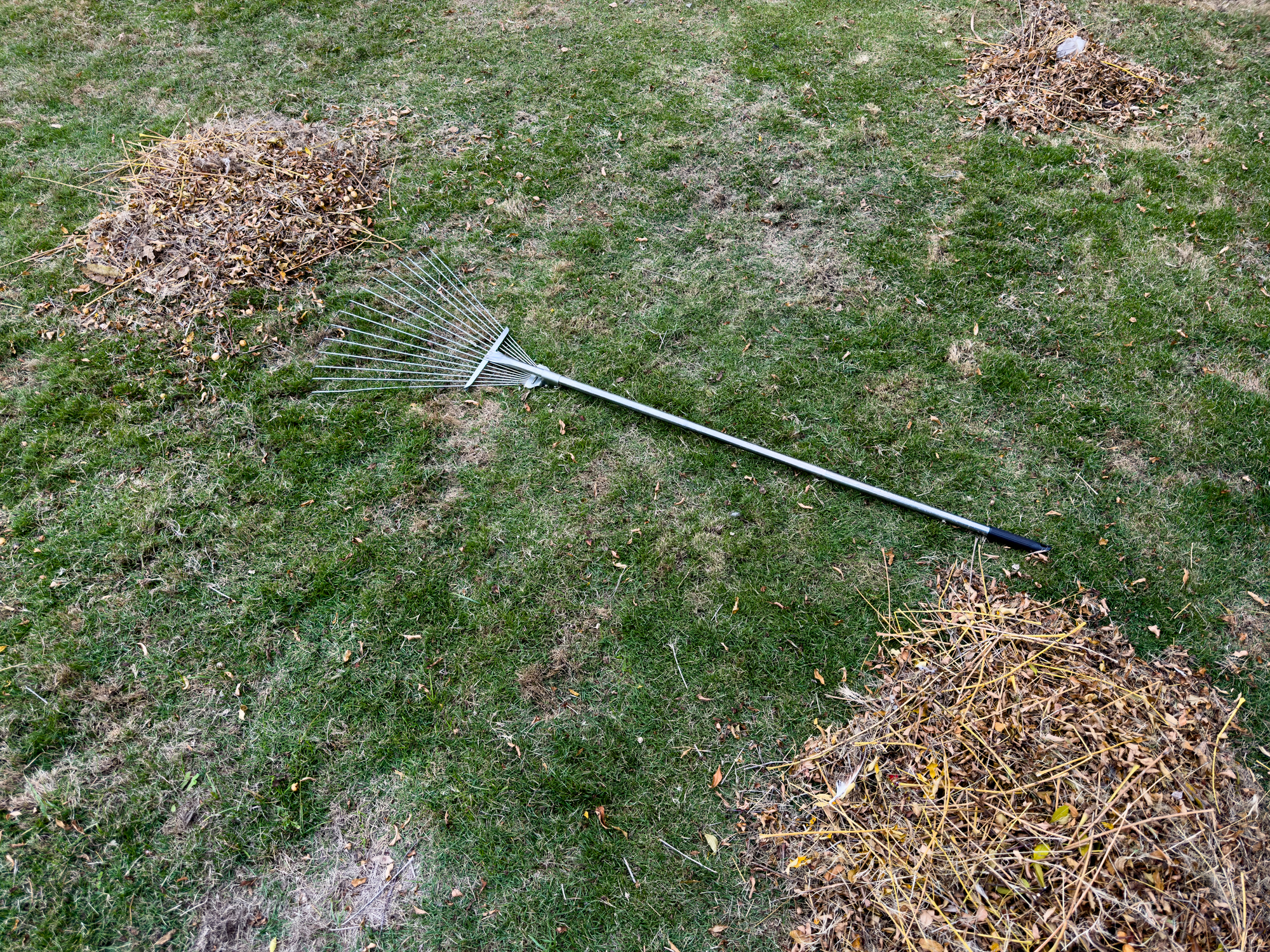
Think of this as a spa day for your garden—light exfoliation (raking), deep conditioning (hello, compost), and a fresh trim. Early spring yard cleanup is all about TLC.
- Start with a Clean Sweep:
Remove dead plant debris, broken limbs, and matted leaves. This not only tidies the space but prevents pests and diseases from hanging around. - Prune With Precision:
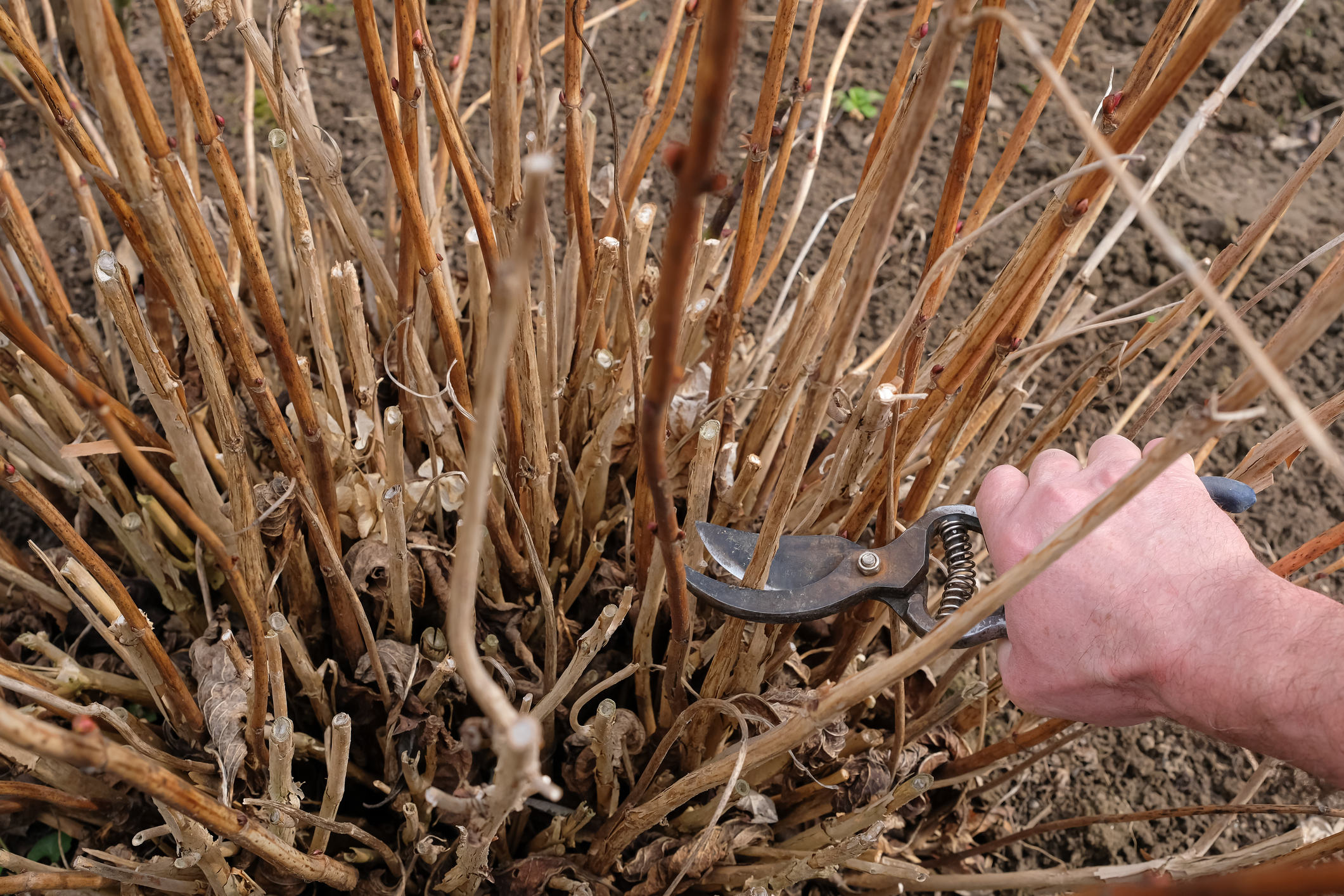
Only prune shrubs once you know what’s still alive. For spring bloomers like lilacs and forsythia, wait until after they flower. For summer bloomers like hydrangeas (depending on the variety), you can prune in early spring. Deadwood? That goes now. - Feed the Soil:
Winter leaches nutrients from your beds. Add a layer of compost or well-aged manure to help jumpstart microbial life and enrich the soil. - Fluff the Lawn:
Use a leaf rake to loosen up compacted turf and remove snow mold patches. Overseed thin areas and apply a light layer of topsoil or compost. This is your first step in how to revive a winter-damaged lawn. - Water Wisely:
Once the ground has thawed, deep watering helps roots rehydrate. Don’t drown them—soak slowly and early in the day. - Mulch, but Don’t Smother:
Mulch holds in moisture and regulates soil temperature. Wait until the soil warms a bit before applying a fresh 2–3 inch layer. Keep it away from tree trunks and stems to prevent rot.
When to Wait It Out (Patience, Grasshopper!)
It’s tempting to grab the shears and rip out anything that looks rough—but hold that thought. Many plants play dead after winter, especially in unpredictable climates like Glenside.
Let Dormant Plants Wake Naturally:
Hardy perennials like coneflowers, Russian sage, and black-eyed Susans often look lifeless but sprout anew from the base. Hydrangeas, in particular, may look like sticks now, but they’re setting buds invisibly.
Watch Before Replacing:
If you’re unsure about a plant, mark it and wait a few weeks. Give it until mid to late May before calling it quits. This avoids unnecessary replacements and gives perennials a chance to prove themselves.
Avoid Over-Pruning Too Soon:
Especially for shrubs like rhododendrons and azaleas, pruning before they leaf out can reduce this year’s blooms. Wait until you see where new growth is emerging before you snip.
Planning Ahead for Next Winter
Yes, spring just arrived—but now is the time to prepare for the next cold season. What you do in fall makes all the difference when the snow comes.
- Mulch in Late Fall:
Apply a thick layer of mulch after the first frost to insulate roots and prevent frost heaving. Use straw, shredded leaves, or bark mulch. - Choose Resilient Plants:
Opt for zone-hardy varieties and native plants that can handle Glenside’s winter swings. Talk to your local garden center about selections that stand up to wind, cold, and snow. - Install Windbreaks or Screens:
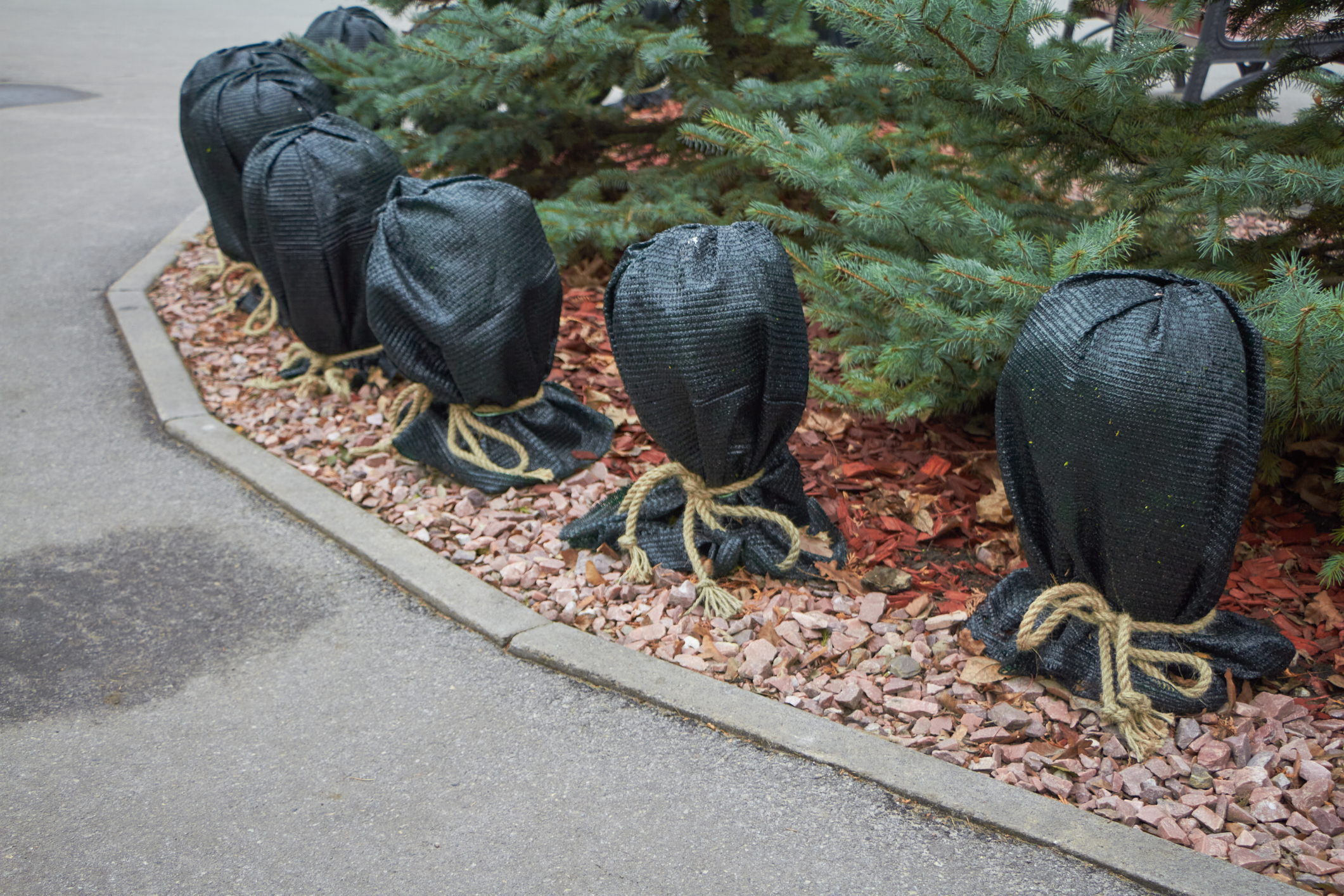
Protect vulnerable shrubs from winter winds by installing burlap wraps or strategic plantings like evergreens to act as shields. - Fall Lawn Prep:
Aerate and fertilize your lawn in late fall to give it the best chance of bouncing back in spring. It strengthens roots and helps prevent snow mold. - Avoid Late-Season Pruning:
Pruning in late fall encourages tender new growth that won’t harden off before freezing temps. Save major pruning for late winter or early spring.
Winter garden damage might look like the end of the world, but it’s really just the messy middle of a comeback story. With a little patience, some well-timed TLC, and the right know-how, your yard can go from frostbitten to flourishing. Whether you’re a veteran gardener or someone who just survived your first Glenside winter, this is your moment to dig in.