Winter Tips for a Beautiful Spring Lawn
March 31, 2025
Winter-Proof Your Lawn: Tips for a Healthy, Vibrant Spring
Winter lawn care tips are the secret to ensuring your lawn wakes up in spring looking lush, green, and envy-worthy. While winter in Glenside, PA, might mean cozy evenings with hot cocoa, your lawn doesn’t get to take the season off. In fact, now is the time to prep for a spectacular spring comeback.
Ignoring your lawn during the winter months can lead to compacted soil, weak grass, and an invasion of weeds when the snow melts. But don’t worry—we’ve got you covered. From the best grass varieties for Pennsylvania’s climate to frost seeding and fertilization strategies, this guide will help you take small steps now for a stress-free, stunning lawn come spring.
Understanding Glenside’s Winter Lawn Challenges
Winter in Pennsylvania brings a mix of challenges for lawn lovers. The constant freeze-thaw cycle can wreak havoc on your grass, leading to soil compaction and frost heaving, where plant roots are pushed out of the soil. Add in foot traffic on frozen grass and you’ve got a recipe for damage that can linger into spring.
Another common issue? Snow mold—those pesky circular patches of dead grass caused by prolonged snow coverage. And if you’re not careful, late fall neglect (like leaving thick layers of fallen leaves) can suffocate your lawn, inviting disease and pests. The good news? A little winter preparation now will save you time and effort when it’s time to bring your lawn back to life in spring.
Best Grass Types for a Resilient Spring Lawn
Not all grass types are built to survive Pennsylvania’s chilly winters. If you want a resilient, beautiful lawn in spring, choose varieties that can handle freezing temperatures with ease.
- Kentucky bluegrass: A favorite in Pennsylvania, this grass type has excellent cold tolerance and bounces back well in spring.
- Fine fescue: If your lawn has shady spots, this variety thrives in lower sunlight and handles winter well.
- Perennial ryegrass: Fast-growing and tough, this grass is great for overseeding and filling in bare patches before winter hits.
Think of your grass as a winter warrior—some varieties are built to battle the cold better than others. Choosing the right one, or right mix, now means less stress (and fewer bald spots) when the snow melts.
Essential Winter Lawn Care Tips
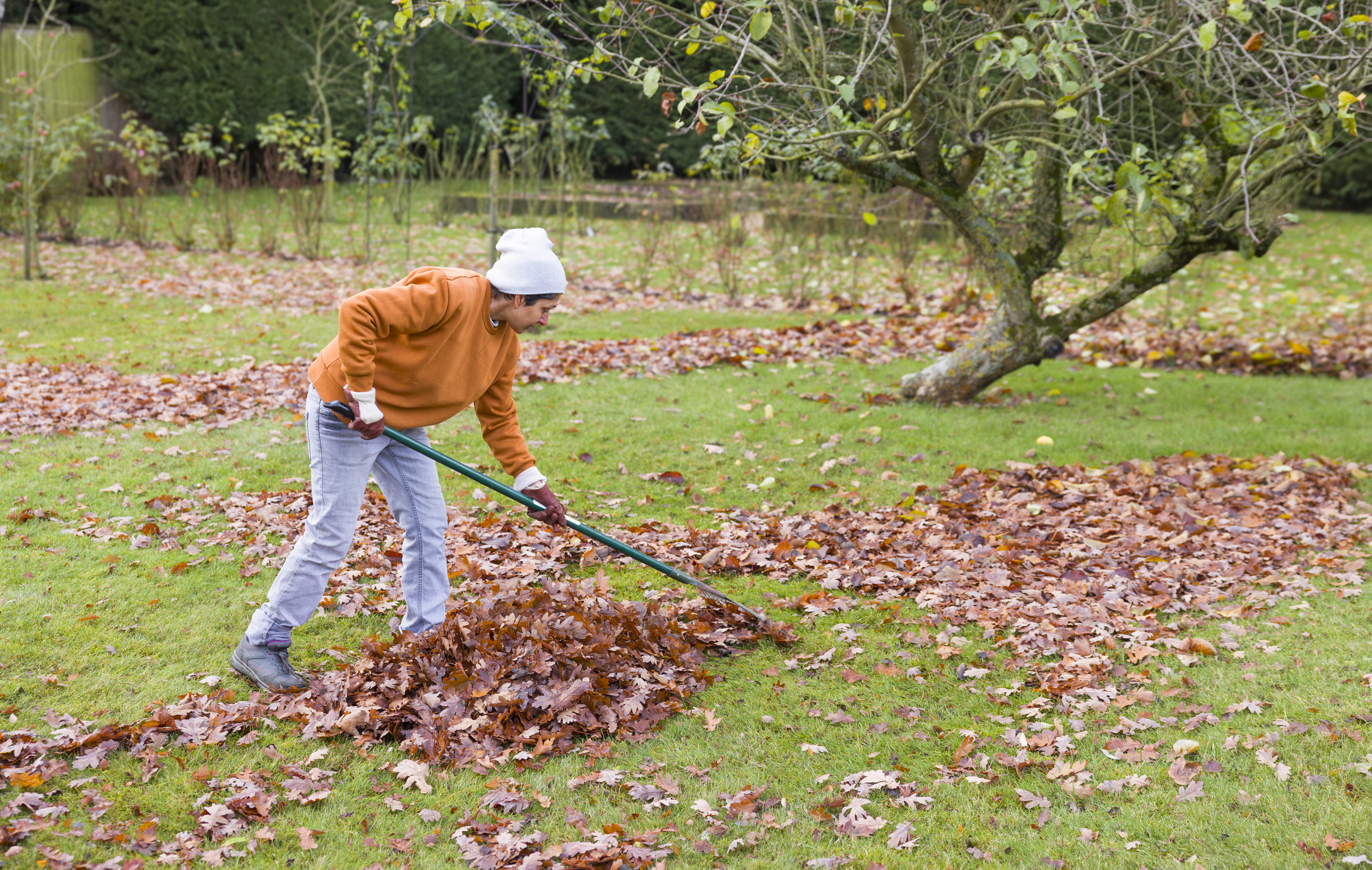
Mowing & Raking: The Final Touches Before Winter
Before the first frost, give your lawn one final mow, keeping the grass around 2.5 inches tall. Too short, and you risk weakening the roots; too long, and your lawn becomes a haven for pests and disease.
Raking is equally important. Leaves left on your lawn can create a dense, suffocating layer that encourages mold and rot. A clean lawn heading into winter means a healthier start in spring.
Soil Health Matters: Aeration & Composting
Cold weather lawn care tips wouldn’t be complete without mentioning aeration. Compacted soil prevents water, air, and nutrients from reaching the roots. Aerate your lawn before the first freeze to improve drainage and root health. Follow up with a thin layer of compost to add nutrients and improve soil structure.
Watering Wisdom: Timing is Everything
Late fall watering is crucial, but overdoing it can backfire. If your lawn enters winter too wet, you increase the risk of disease. Instead, aim for one deep watering session before the ground freezes to keep roots hydrated without oversaturating the soil.
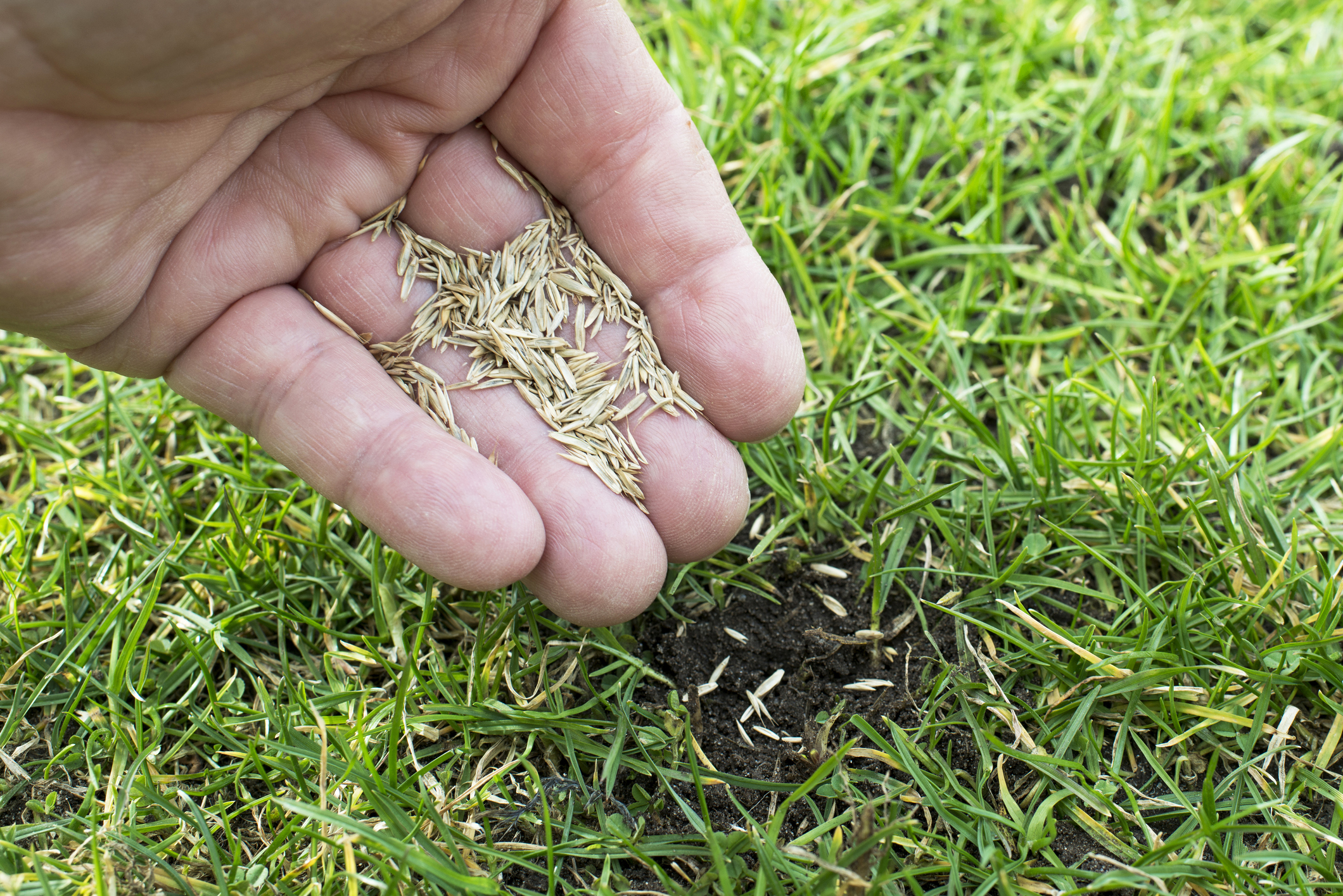
Frost Seeding: The Secret to a Lush Spring Lawn
Frost seeding for a greener spring lawn is one of the best-kept secrets in lawn care. This technique involves spreading grass seed in late winter when the ground is still cold. The natural freezing and thawing of the soil help the seeds settle in, creating the perfect conditions for germination once temperatures rise.
How to frost seed effectively:
- Choose a hardy grass variety like turf-type tall fescue, penn oxford, or primeashade.
- Spread the seed evenly over bare patches or thinning areas in late February or early March.
- Let nature do the work—winter’s freeze-thaw cycles will help the seeds work into the soil.
- Come spring, watch your lawn fill in beautifully without the need for extra labor.
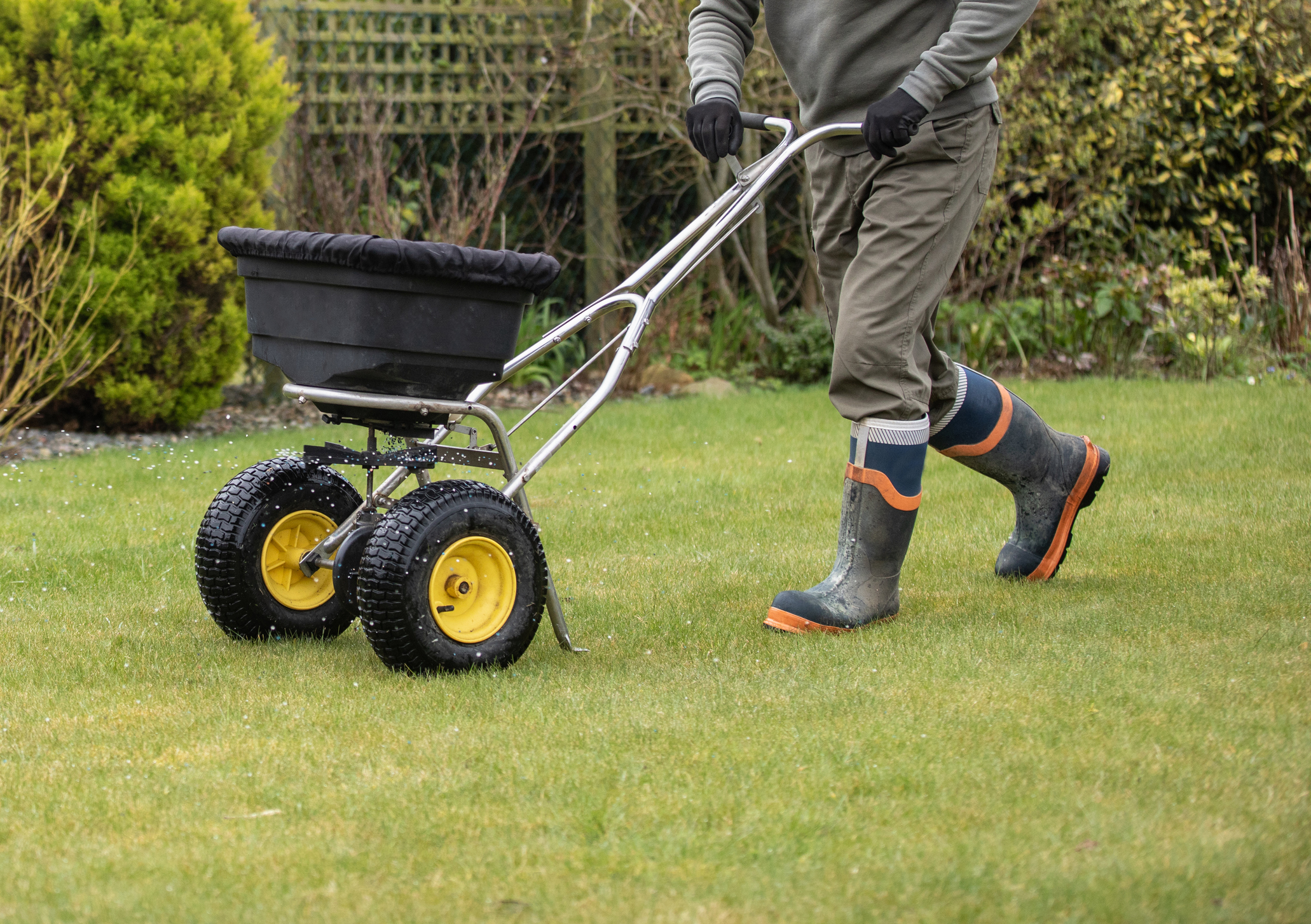
Early Spring Fertilization & Weed Prevention
Once winter starts to wane, it’s time to give your lawn a nutritional boost.
- When to fertilize: Apply the first round of fertilizer in early spring, as soon as the ground begins to thaw. Look for a balanced fertilizer with nitrogen to kickstart growth.
- Natural vs. synthetic fertilizers: Organic options like compost or seaweed-based fertilizers provide slow-release nutrients, while synthetic fertilizers give an immediate green-up.
Keep your eye out for early emerging weeds, and remove them by hand ensuring you take the roots with you to avoid regrowth. By getting ahead of weeds now, you’ll save yourself the frustration of dealing with an overgrown mess once the temperatures rise.
Your lawn might be napping now, but with these winter lawn care tips, it’ll wake up in spring looking fabulous! Taking a few simple steps before winter sets in—like aerating, frost seeding, and strategic fertilization—ensures you won’t have to play catch-up when the snow melts.
Whether you’re a seasoned gardener or a new homeowner learning the ropes, these winter prep tips will keep your lawn thriving year-round. Want a picture-perfect yard without the stress? Start now, and your spring lawn will thank you!