Let’s Get Mossy! A Guide to Decorative Moss Indoors
January 14, 2025
Transform your indoor space into a lush forest of greenery with decorative moss. Whether nestled in a charming terrarium, spread across a wall decoration, or dangling gracefully in hanging planters, moss brings an unmatched touch of natural beauty indoors. This blog explores the many creative ways to incorporate moss into your home decor, from preserved and dried varieties to living arrangements that breathe life into your space.

What is Moss? The Key Facts
- A Unique Plant: Moss is a small, non-flowering plant that belongs to the Bryophyte family. It thrives in damp, shaded environments and reproduces through spores rather than seeds.
- Growing Pattern: Characterized by a soft, velvety texture and vibrant green hues, moss forms dense carpets or clumps, making it a natural choice for decorative use.
- Role in the Ecosystem: Beyond its aesthetic appeal, moss plays a crucial role in ecosystems by retaining moisture, preventing soil erosion, and providing habitats for tiny organisms. It also filters rainwater and helps build soil by capturing dust from rain and wind.
- Using Moss at Home: Its adaptability and low-maintenance nature have made it a beloved element in both indoor and outdoor decor.
Why Choose Moss for Indoor Decor?
People commonly use a wide array of plants from around the globe in home decor. Most are small trees, flowering plants, or sometimes succulents, cacti or ferns—but how exactly can you use moss?
Moss exudes a calming, grounding presence that enhances any room. Its velvety texture and rich hues make it a perfect match for minimalist aesthetics or nature-inspired interiors. Whether you’re decorating a cozy nook or designing a bold centerpiece, moss adapts beautifully, lending a tranquil and timeless vibe.
Types of Moss for Indoor Use
Not all moss is the same! Here’s a quick guide to the most popular types for indoor decor:
- Living Moss: For those seeking a dynamic, ever-evolving display, living moss is the way to go. Perfect for terrariums or moss rugs, it needs a bit more care but rewards you with fresh, lush growth.
- Dried Moss: A rustic favorite, dried moss adds texture and charm to DIY projects. Use it in decorative jars or wreaths for a touch of natural beauty.
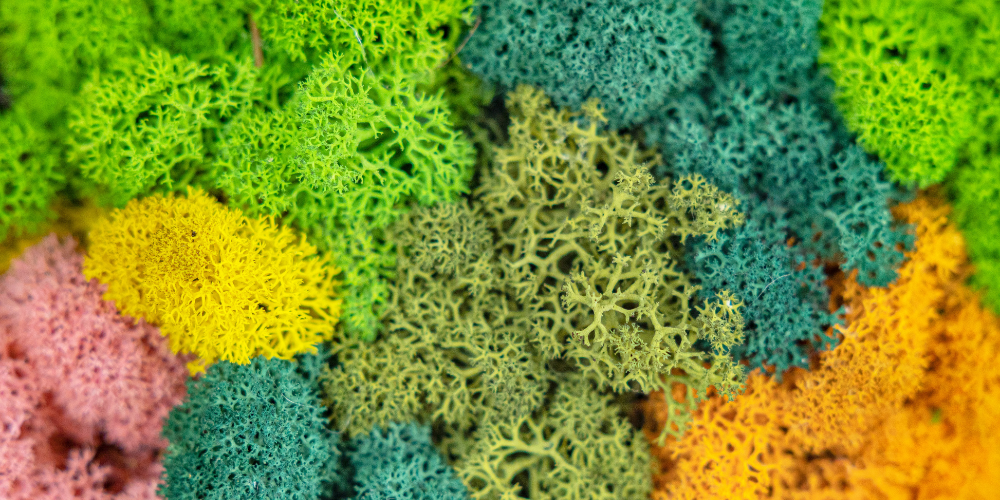
- Preserved Moss: Treated to maintain its vibrant color and soft texture, preserved moss is perfect for long-lasting arrangements like moss wall decorations or table centerpieces. Bonus: it doesn’t require watering!
Each type has its strengths, making it easy to find the perfect fit for your creative vision.

Creative Ways to Use Moss in Home Decor
Moss is as versatile as it is stunning. Here are some inspiring ways to weave it into your decor:
- Around Other Houseplants: Is your fig tree looking lonely? Try adding living moss around the soil of the houseplant. The extra greenery suddenly transforms that empty space into something vibrant and alive. The same applies to other houseplants!
- Terrariums: Create a miniature forest under glass by layering moss with stones, soil, and other mini houseplants. These self-contained ecosystems, known as “terrariums,” are low-maintenance and endlessly customizable.
- Moss Wall Decorations: Replace traditional artwork with a vibrant moss mural or a framed piece. These living or preserved displays make an unforgettable statement, bringing texture and life to your walls.
- Hanging Decor: Elevate your space—literally—with kokedamas or suspended arrangements. Pair them with macramé for a bohemian vibe or sleek frames for modern elegance.
- Other Moss Decor Ideas: Think outside the box! Use dried and preserved moss to craft table centerpieces, line shelves, or even embellish picture frames. The possibilities are as endless as your imagination.
Using Moss to Support Plants
You wouldn’t normally grow moss on its own, but when combined with other houseplants, it brings unused soil s urfaces to life. Filling in the base of your containers gives you a chance to bring more life-enhancing greenery into your home—giving you oxygen, beauty, and the comforting presence of a living being, as well as the additional benefit of creating a living mulch, reducing evaporation and helping to maintain moisture and humidity levels for your houseplant.
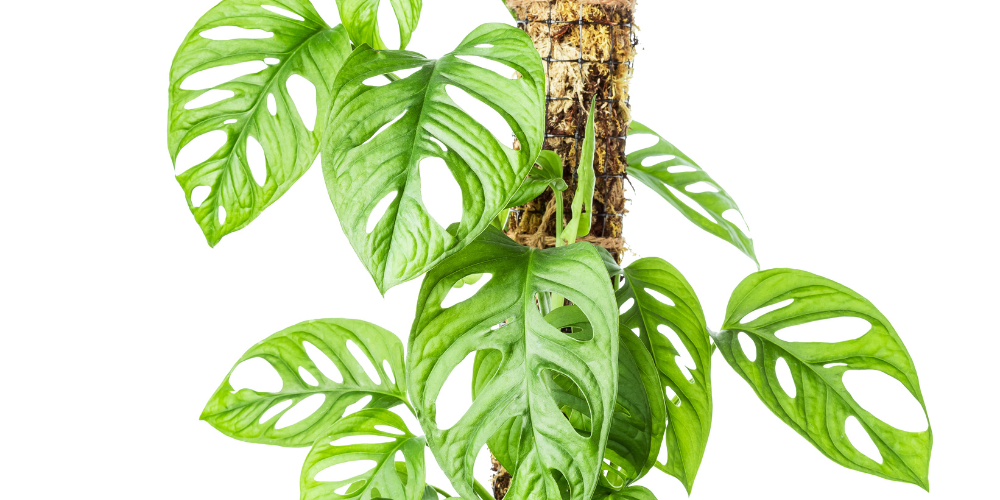
Moss Poles
Using moss poles for aroid plants offers several benefits, primarily because it mimics their natural growing environment. Aroids, like monsteras and philodendrons, are often epiphytic in nature, meaning they grow on other plants (like trees) in the wild. Here’s why moss poles are beneficial:
- Support for Climbing: Moss poles provide a structure for these plants to climb, allowing them to grow vertically as they would in their natural habitat.
- Aerial Root Growth: Aroids produce aerial roots that seek out moisture and nutrients. A moss pole provides a moist environment for these roots to attach to, encouraging healthy growth and larger leaves.
- Nutrient Source: A well-maintained moss pole can provide additional nutrients to the plant as the aerial roots grow into it.
- Improved Aesthetics: Moss poles can help create a more natural and visually appealing display for your aroid plants.
- Encourages Mature Growth: Climbing and attaching to a moss pole encourages the plant to mature and produce larger, more developed leaves.
Caring for Indoor Moss
Moss is surprisingly ultra low-maintenance and doesn’t require the same level of care as other houseplants. Keeping your moss looking lush and fresh is wonderfully simple:
- Living Moss: Provide indirect light and keep it moist with regular misting. Avoid overwatering, as soggy moss can develop mold. Use filtered or distilled water to avoid the harmful effects of chlorine and mineral build-up.
- Preserved Moss: Virtually maintenance-free, preserved moss only needs occasional dusting. Avoid direct sunlight to maintain its vibrant color.
- Choose a Suitable Base: Living moss grows well on moist substrates like soil, rocks, wood, or decorative trays. Preserved and dried moss can be laid, attached, or glued on any firm surface.
- Match with Houseplants of Similar Needs: Consider the moisture and light needs of your houseplants before adding living moss to the same pot. Ensure both plants share similar requirements for easier care.
- Remove Debris Periodically: Remember to remove any fallen debris that accumulates on your moss so it can display its vibrant green leaves in full!
- Sustainably Sourced: Moss is a slow-growing plant that commonly grows in bogs or moist forests. Moss is crucial to these ecosystems and is a significant source of carbon sequestration. Before buying any moss, ensure it is sustainably sourced to help preserve and protect our natural ecosystems.
Decorative moss is more than just a plant; it’s a gateway to creativity and tranquility. Whether you’re crafting a terrarium, designing a moss wall decoration, or experimenting with hanging decor, moss offers a unique way to connect with nature indoors. Its versatility, beauty, and low-maintenance nature make it an ideal choice for any home. Visit our local garden center in Glenside to explore these plants and discover more inspiring ideas for decorating your home with moss!