Melon Mania: A Guide to Growing Melons in Glenside, PA
March 25, 2024
The idea of growing melons may seem like a challenge in our Pennsylvania climate, but it’s entirely possible to cultivate these juicy delights right in your own backyard. Whether you dream of biting into a sweet cantaloupe, indulging in refreshing honeydew, or savoring a crisp slice of watermelon, this guide will show you how to grow these delectable fruits step by step!
How to Grow Cantaloupes
Cantaloupe is a type of muskmelon that belongs to the Cucurbitaceae family, which also includes cucumbers, squash, and pumpkins. Cantaloupes are known for their rough, netted rind and sweet, juicy flesh. They’re prized for their delicious flavor and are commonly enjoyed fresh as a snack, in fruit salads, or as dessert.
1. Planting Cantaloupes
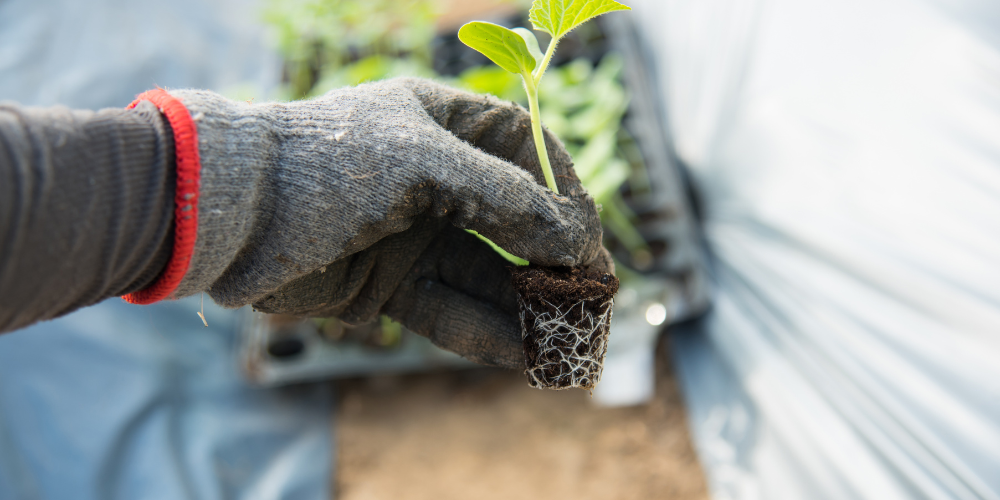
Wait until after the last frost date to sow your cantaloupe seeds or transplant seedlings outdoors. Choose a sunny spot in your garden with 6 to 8 hours of direct sunlight, well-drained soil, and plenty of space for the vines to sprawl.
When planting, create mounds of soil about 2 feet apart and sow 4 to 6 seeds per mound. Cover the seeds with about an inch of soil and water thoroughly. As the seedlings grow, thin them out, leaving the healthiest plant in each mound to thrive.
2. Growing Cantaloupes
- Water: Keep the soil consistently-moist but not waterlogged, as cantaloupes are susceptible to root rot if they sit in soggy soil.
- Support: You can train them up a trellis or sturdy stake to keep the fruit off the ground and prevent rotting. Or, you can simply grow them on the ground, in which case a layer of mulch on the soil helps protect the fruit from rotting.
- Common Challenges: One challenge that gardeners may encounter when growing cantaloupes is powdery mildew, a common fungal disease. To prevent it, avoid overhead watering and ensure good air circulation around the plants by spacing them adequately.
3. Harvesting Cantaloupes
The moment of truth has arrived—it’s time to harvest your cantaloupes! But how do you know when they’re ready? Look for signs of ripeness such as a fragrant aroma, golden color under the netting, and a slight softening of the blossom end (i.e. the opposite end of the fruit to where the stem is). Carefully cut the cantaloupe from the vine using a sharp, clean knife, leaving a short stem attached.
How to Grow Honeydew Melons
Honeydews are another type of muskmelon in the Cucurbitaceae family. They are characterized by a smooth, pale green to white rind, and light green flesh. Honeydew melons are prized for their sweet flavor and rich nutrients, including vitamin C, potassium, and folate, making them a nutritious addition to your diet.
1. Planting Honeydew Melons
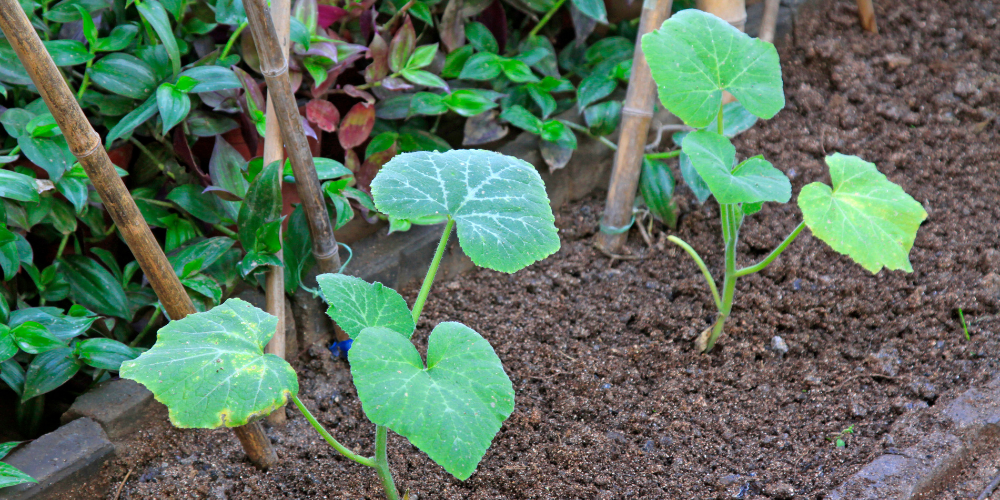
Just like cantaloupes, seed or transplant them outside in May after the last frost has passed. Choose a well-drained spot in direct sun with ample room for the vines to sprawl.
When seeding, create mounds of soil similar to those for cantaloupes, spacing them about 2 feet apart. Sow 4 to 6 seeds per mound, covering them with about an inch of soil. Water thoroughly and thin out the seedlings as they grow, leaving the healthiest plant in each mound.
2. Growing Honeydew Melons
- Water: Honeydew melons require regular watering to keep the soil consistently-moist but not waterlogged. Mulching around the base of the plants can help retain moisture and suppress weeds.
- Support: Honeydew melons benefit from the use of trellises or supports to keep the fruit off the ground and prevent rotting. When growing directly on the ground, add a layer of mulch on the soil to prevent them from going bad.
- Common Challenges: Honeydew melons are susceptible to blossom end rot, a disorder caused by calcium deficiency in the fruit. To prevent it, ensure consistent watering and maintain proper soil pH of levels of 6 to 6.5.
3. Harvesting Honeydew Melons
When ripe, honeydew melon rinds will be creamy yellow rather than pale green, and smooth and waxy rather than dusky. The skin should yield slightly when pressed gently with your thumb. To harvest, cut the honeydew melon from the vine with a sharp, clean knife, leaving a short stem attached.
How to Grow Watermelons
Another member of the Cucurbits, watermelons have a thick rind, juicy flesh, and a vibrant red color inside. This large, vining plant produces fruits that range from small sizes to large melons weighing several pounds. Watermelons are one of the most cherished summertime melons around the world!

1. Planting Watermelons
Choose a sunny location with well-drained soil and ample space for the vines. Seed or transplant them after the last frost date has passed in May.
To plant watermelons, create hills of soil spaced about 4 to 6 feet apart. Sow 4 to 6 seeds per hill, covering them with about an inch of soil. Water thoroughly and thin out the seedlings as they grow, leaving one strong plant in each mound.
2. Growing Watermelons
- Water: Watermelons require consistent watering throughout the growing season, especially during hot, dry weather. Mulching around the base of the plants helps to retain moisture.
- Support: Supports such as a sturdy trellis can keep the fruit off the ground and prevent rotting. The challenge is to support the heavy hanging fruit. Try securing them with pantyhose or fruit netting as they grow. Alternatively, grow them on the ground with a layer of mulch between the fruit and soil.
- Common Challenges: One challenge that gardeners may encounter when growing watermelons are pests such as cucumber beetles and squash bugs. To prevent pests, use row covers, rotate crops each season, grow companion plants (e.g. marigolds, basil, and mint), or grow a trap plant nearby (e.g. a hubbard or crookneck squash).
3. Harvesting Watermelons
Look for signs of ripeness such as a dull, matte appearance on the underside of the fruit and a hollow sound when tapped. Carefully cut the watermelon from the vine with a sharp, clean knife, leaving a few inches of stem attached.
When Do You Start Melons Indoors?
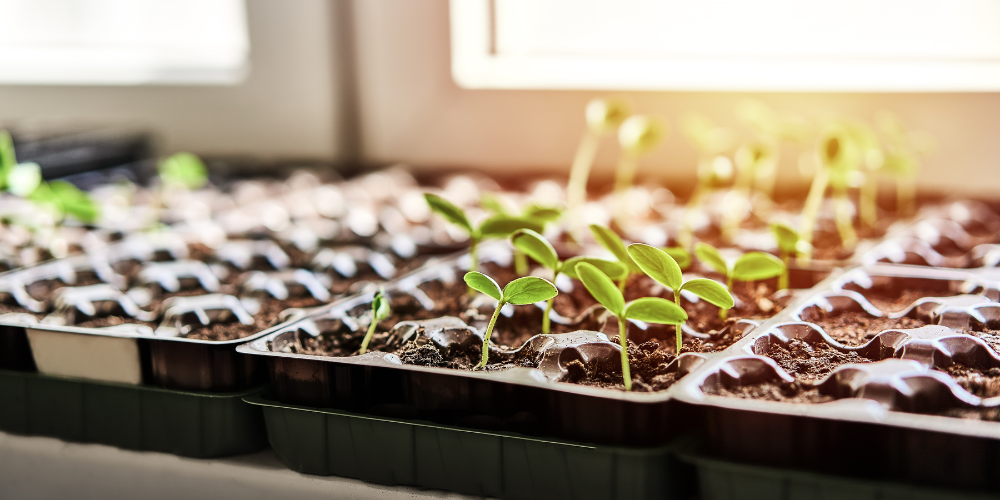
To give your melons a head-start, seed them indoors 2-4 weeks before the last frost date. In Glenside, that means starting them in the first few weeks of April and transplanting them outdoors in early May.
Growing melons in Pennsylvania requires patience, care, and attention to detail. By following the correct planting dates, care tips, and harvesting guidelines, you can enjoy a bountiful harvest of sweet, juicy melons right from your own backyard. For more tips on how to grow melons, visit our garden center in Glenside!