An Introduction to Rain Gardens
February 26, 2024
What happens when you marry excess rain with water-loving plants? You get one of this year’s trendiest gardens!
Rain gardens allow you to enjoy unique botanicals, reduce your exposure to flooding, and improve your watershed all at the same time. Read on to learn more about them and how to design your own.
What is a Rain Garden?
Rain gardens are built in low areas of a yard or garden, allowing them to capture water from drain pipes, driveways, pathways, and lawns. They consist of hardy, water-loving native plants that help absorb excess moisture and attract pollinators, resulting in a low-maintenance, beautiful addition to your home.

The Benefits of Rain Gardens
Urban landscapes generate 20 times more runoff than natural landscapes, but why? Well, in a forest, rain is absorbed into the ground and plants. However, the design of our cities complicates this natural cycle, with our roofs, driveways, and roads redirecting rain straight into our stormwater sewers, which then empty into our rivers. Along the way, the water picks up pollutants and sediments that diminish water quality for everyone. In heavy storms, this redirection also causes severe flooding damage to both individual properties and entire riverside neighborhoods.
While this sounds like a serious issue, rain gardens offer a solution. Rather than let water pool and flood our landscapes, rain gardens capture rain and let it seep into the ground slowly. As they do so, they filter out sediments and pollutants, such as excess fertilizer.
Designing Your Rain Garden
If you want to get started with your own rain garden but aren’t sure where to begin, this step-by-step guide will give you a solid jumping-off point:
-
Choose a Site
Strategically position your rain garden to intercept stormwater runoff from nearby surfaces, like driveways, pathways, lawns, or drain pipes. Ideally, your site should have porous, well-draining soil and receive adequate sunlight to support plant growth.
-
Create a Depression
We suggest your rain garden should be about 9 inches lower than the surrounding grade at its lowest point. It should also be as flat and wide as possible to ensure water seeps into the ground evenly.

-
Create an Entry and Exit Point
Most rain gardens have a place where water enters and where it will spill over when it’s full. Place stones in both of these spots to prevent soil from washing away. In future rain events, watch for any erosion and place more stones in these areas where needed.
-
Plant Water-Wise Plants
Fill your rain garden with plants that both enjoy lots of water and tolerate dry conditions to ensure it will continue to thrive between rain events. Native plants are usually the hardiest and most well-adapted for use in rain gardens.
-
Cover With Mulch
Mulch reduces your need for weeding and protects your rain garden’s soil from erosion. Shredded mulch is best for rain gardens because it locks together like Velcro when wet. In contrast, large bark nuggets and woodchips can float and become dislodged when flooded.
What Plants Should I Use in My Rain Garden?
We recommend using native plants as much as possible in your rain garden due to their ability to withstand local climate conditions, resist pests and diseases, and provide habitat for native wildlife. When choosing plants for your rain garden, it’s also essential to consider factors such as moisture tolerance and bloom time to ensure a diverse and resilient plant community that can effectively absorb and filter stormwater. Here are some of our favorite rain garden plant picks that are native to Pennsylvania:
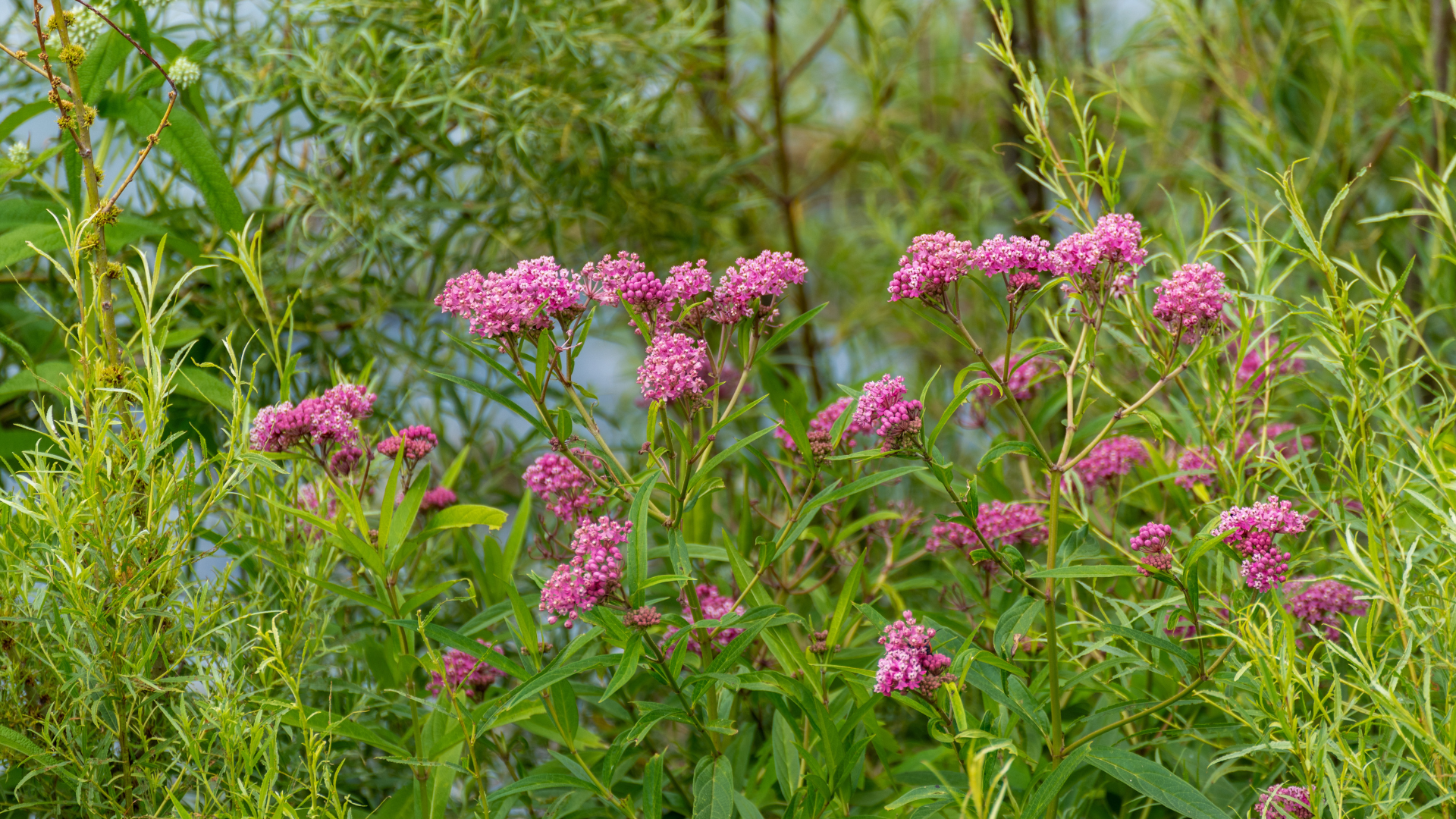
- Swamp Milkweed (Asclepias incarnata): Swamp milkweed is an excellent choice for rain gardens due to its ability to tolerate occasional flooding and its role in supporting native insect populations. This perennial wildflower thrives in moist to wet soil conditions and produces clusters of pink flowers that attract butterflies, bees, and other local pollinators!
- Blue Flag Iris (Iris versicolor): With its striking blue-purple flowers, the blue flag iris adds flashy bursts of color and texture to local Glenside rain gardens. It prefers moist, slightly-acidic soil and can tolerate partial shade, making it adaptable to a variety of garden conditions.
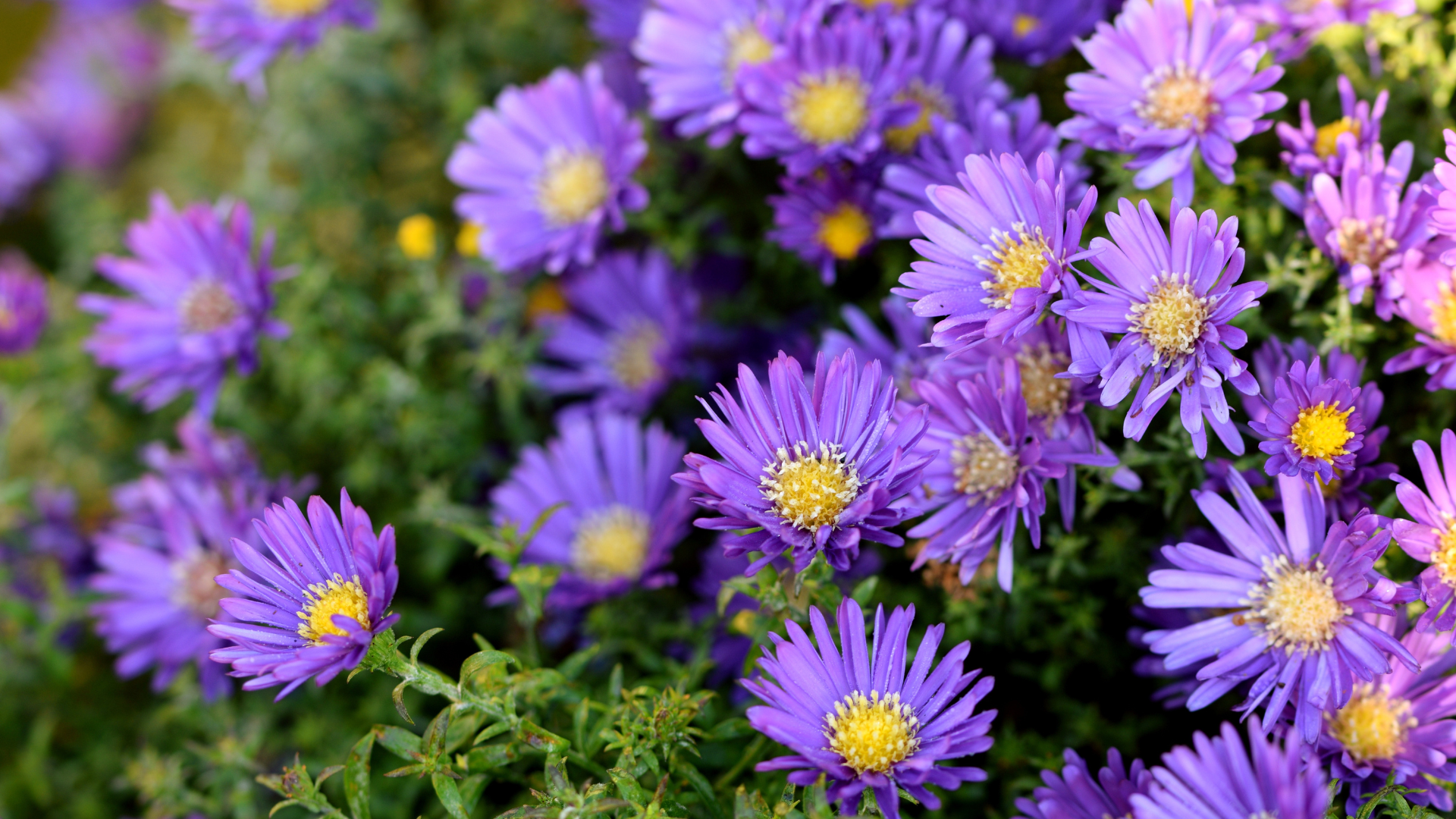
- New England Aster (Symphyotrichum novae-angliae): This hardy perennial produces masses of purple flowers in late summer and early fall, providing valuable nectar for bees and butterflies. New England aster thrives in moist, well-drained soil and full sun, making it a reliable choice for rain gardens.
- Turtlehead (Chelone glabra): Named for its distinctive flowers that resemble a turtle’s head, the turtlehead is a moisture-loving perennial that thrives in rain gardens. It prefers moist to wet soil and partial to full shade and attracts bees and butterflies with its nectar-rich blooms.
- Blue Lobelia (Lobelia siphilitica): With its vibrant blue flowers, blue lobelia is an excellent choice for adding color and beauty to your landscape. It prefers moist to wet soil and partial shade and attracts pollinators with its nectar-rich flowers.
- Switchgrass (Panicum virgatum): This native grass species is well-suited for rain gardens due to its ability to tolerate a wide range of soil conditions, including moist to dry soil. Switchgrass forms dense clumps of foliage and provides a habitat for local birds and other native wildlife.
- Golden Ragwort (Packera aurea): This low-growing perennial features clusters of yellow flowers in spring and thrives in moist to wet soil conditions. Golden ragwort is an excellent groundcover option for rain gardens, providing erosion control and habitat for native insects.
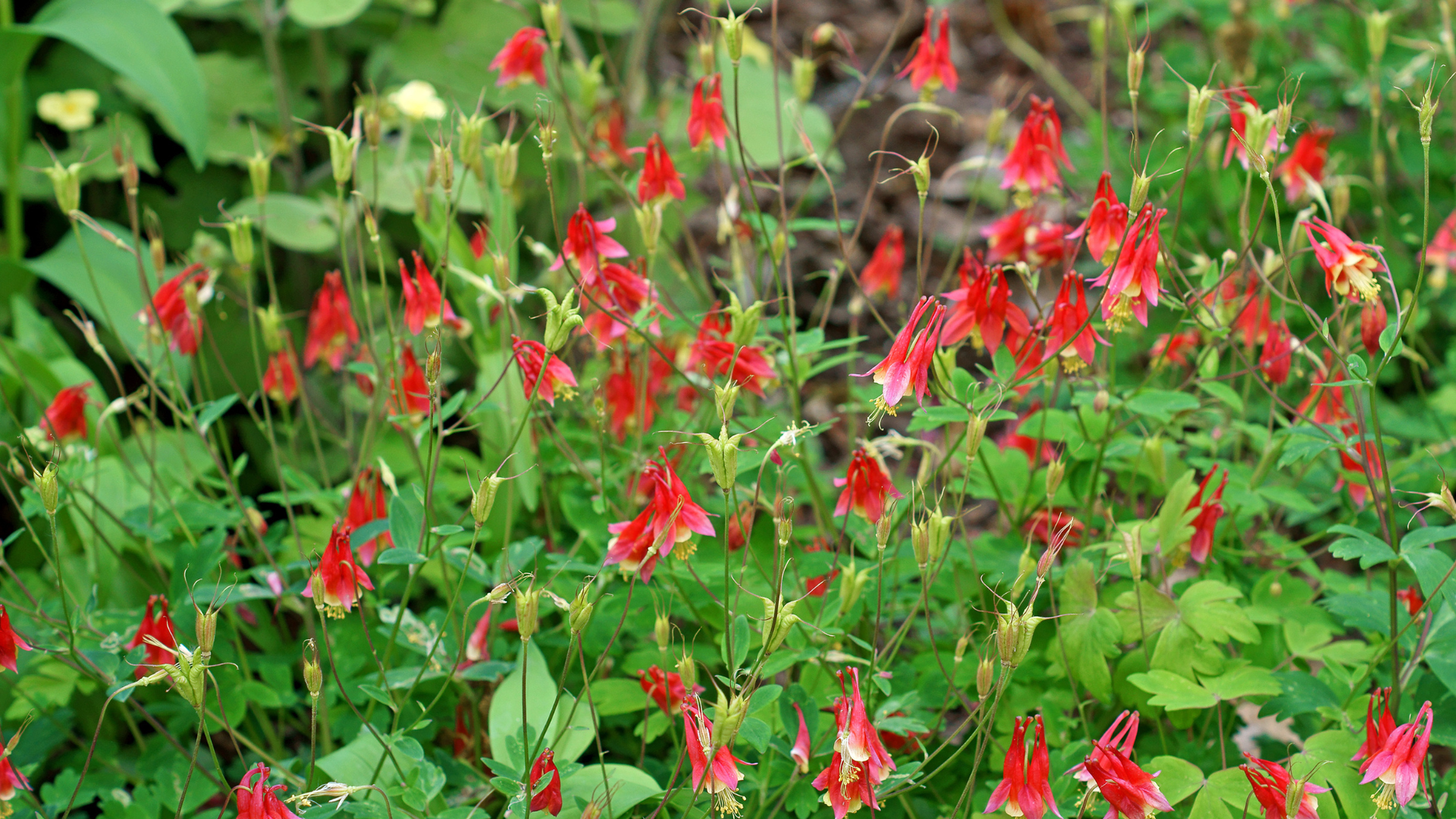
- Columbine (Aquilegia canadensis): Featuring delicate red and yellow flowers, the columbine adds beauty and charm to your rain garden. It prefers moist, well-drained soil and partial shade and attracts hummingbirds and butterflies with its nectar-rich blooms.
- Joe Pye Weed (Eutrochium fistulosum): This tall, clump-forming perennial features large, domed clusters of pinkish-purple flowers that attract bees and butterflies. Joe Pye weed thrives in moist, well-drained soil and full sun to partial shade, making it an excellent choice for Pennsylvanian rain gardens.
- Cardinal Flower (Lobelia cardinalis): Known for its vibrant red blooms, the cardinal flower is sure to add a splash of color to your rain garden. It prefers moist, acidic soil and partial shade and attracts hummingbirds and butterflies with its nectar-rich flowers.
Soil for Rain Gardens
Soil type plays a critical role in the effectiveness of your rain garden. Sandy soils allow water to percolate quickly but may require more frequent watering during dry periods, while clay-heavy soils have slower infiltration rates but retain moisture longer. Amending your garden’s soil with organic matter such as compost can improve its structure and drainage capacity, creating an ideal environment for plant growth.
To learn more about designing your rain garden, stop by and visit us at our garden center in Glenside, PA!