Mastering Indoor Plant Propagation: Advanced Techniques & Troubleshooting
January 29, 2024
Plant propagation is much more than simply creating duplicates; it’s an age-old botanical skill that allows you to take your growing into your own hands.
Indoor gardening enthusiasts often find joy in the process of propagation, a craft that transforms a single plant into a flourishing collection. While basic methods like stem cuttings are widely known, advanced strategies such as air layering and division can take your propagation game to the next level. In this blog, we’ll uncover the secrets of these advanced methods and troubleshoot common challenges that may arise at some point in your propagation journey.
Let’s dive in!
Advanced Plant Propagation Strategies
In our last article, we introduced the basic idea of plant propagation and gave step-by-step guides for reproducing plants using seeds, stem cuttings, and leaf cuttings. Now, we’ll look at two more ways to multiply your favorite indoor plants. These methods are a little more complex, but any willing houseplant parent can still easily master them!
Propagation by Air Layering
Air layering is a plant propagation game-changer, allowing you to create robust plants with minimal stress. Start by selecting a healthy and mature branch and make a small incision about a foot from the tip, exposing the inner layer. Apply rooting hormone generously on the exposed area and wrap the cut section with damp sphagnum moss, covering it with plastic wrap to maintain moisture.
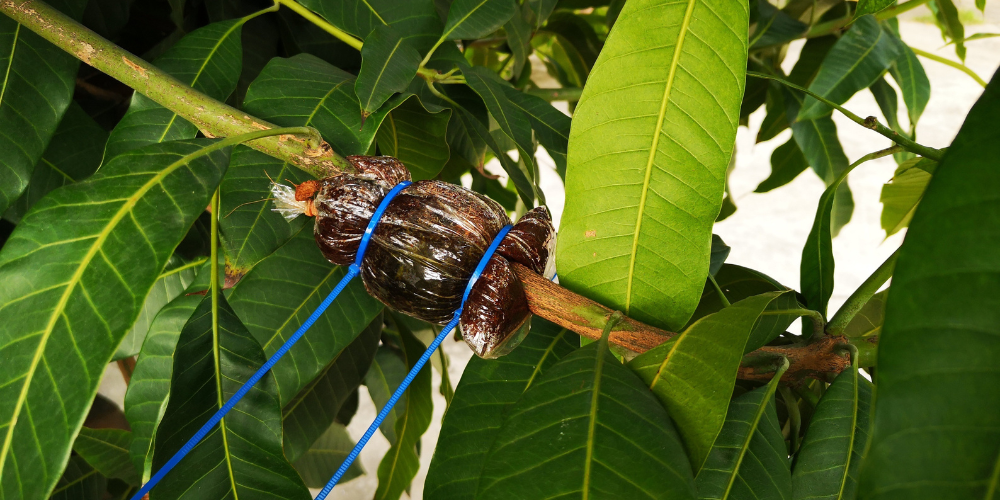
Secure the moss with twine, or zip ties—creating a snug bundle, and keep it consistently moist but not overly-soggy. After a few weeks, roots will start to form within the moss. Once they reach a substantial length, carefully cut the branch below the rooted section, and voila: you’ve birthed a new plant!
Air layering is an effective propagation method for many houseplants, including weeping figs, rubber plants, hibiscus, schefflera, dracaena, dieffenbachia, monstera, birds of paradise, and crotons.
Propagation by Division
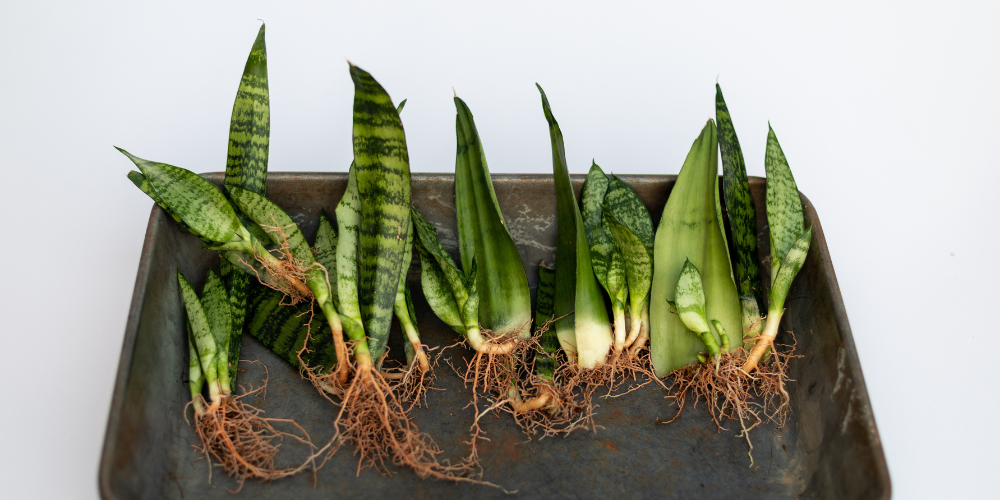
Division is a fantastic propagation technique for plants with multiple stems or a cluster of growth points. Start by removing the plant from its pot and gently shaking off excess soil. Next, identify natural separations in the root system or locate points where the stems meet the base. Using a sharp, clean knife or pruning shears, carefully divide the plant into sections based on these separations and meeting points, ensuring each segment has its own roots and foliage.

Replant the divisions into separate pots with fresh soil, water them thoroughly, and watch as each segment establishes itself as an individual plant. Division multiplies your plant count and promotes healthier growth by alleviating overcrowded conditions, a real win-win strategy!
Common houseplants that divide easily include snake plants, aloe vera, peace lilies, ZZ plants, Chinese evergreens, and pilea peperomioides.
Common Propagation Challenges and Solutions
Like all gardening projects, propagation is also subject to challenges and issues. Even when you follow all the steps, you may still run into unexpected results. To give your plants the best chance at success, we’ve outlined a few common problems you might encounter and how to solve them!
Issue: My cutting failed to root. What happened?
Solution: Ensure your cutting is taken from a healthy, disease-free plant. Use a rooting hormone, maintain optimal humidity, and place the cuttings in a warm, well-lit area. Experiment with different soil types to find what works best for your specific plant.
Issue: The roots didn’t grow when I tried air layering.
Solution: Ensure the moss or medium remains consistently moist, use a high-quality rooting hormone, and make a clean and precise cut into the plant’s stem. Also, avoid taking your cutting from too close to an existing node. Air layering also doesn’t always work during winter dormancy, so remember to do it during the plant’s growing season.
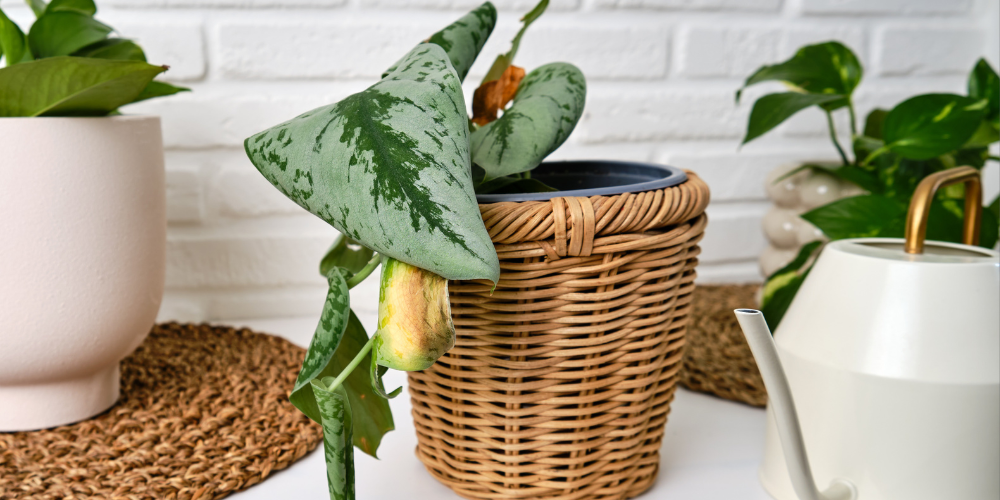
Issue: My plant has yellow or wilting leaves after division, or it didn’t grow at all.
Solution: Your plant may have insufficient root mass, or it experienced transplant shock or excessive root disturbance. To avoid these problems, be as gentle with its roots as possible, make sure each division has a healthy amount of roots, and promptly water your divisions after dividing plants.
Issue: My new plant or cutting got moldy, discolored, or infected.
Solution: Maintain proper air circulation to prevent excess moisture from building up. It’s also a good idea to use a well-draining soil mix and to apply a fungicide to the soil before inserting cuttings. Finally, quarantine any infected plants to prevent the spread of fungus.
Issue: My new plant has mushy stems and limp or yellowing leaves, even though its soil has been consistently wet.
Solution: This could indicate overwatering. To remedy this issue, allow the soil to partially dry between waterings, ensure your pots have drainage holes, and be cautious not to drown the delicate roots. You should also adjust your watering schedule based on the plant species and environmental conditions.
Why Expand Your Plant Collection?
Plant propagation is much more than simply creating duplicates; it’s an age-old botanical skill that allows you to take your growing into your own hands. With each new propagation, you expand your indoor garden while also deepening your connection with the greenery that surrounds you.
The Satisfaction of Plant Propagation
There’s an unparalleled satisfaction in witnessing a tiny cutting or divided segment flourish into an independent plant. This incredibly rewarding sense of accomplishment cultivates a profound appreciation for the intricate processes of nature. It’s a craft that fosters patience, understanding, and a deeper connection with the botanical world.
At the end of the day, indoor plant propagation is both an art and a science, offering many avenues for exploration. By mastering advanced techniques like air layering and division and tackling common challenges head-on, you can elevate your indoor gardening skills and enjoy the satisfaction of birthing new plants from thin air!
For more tips for advanced plant propagation strategies, or to pick up all the supplies you’ll need to continue your propagation journey, stop by our garden center in Glenside, PA, today!