Anthurium

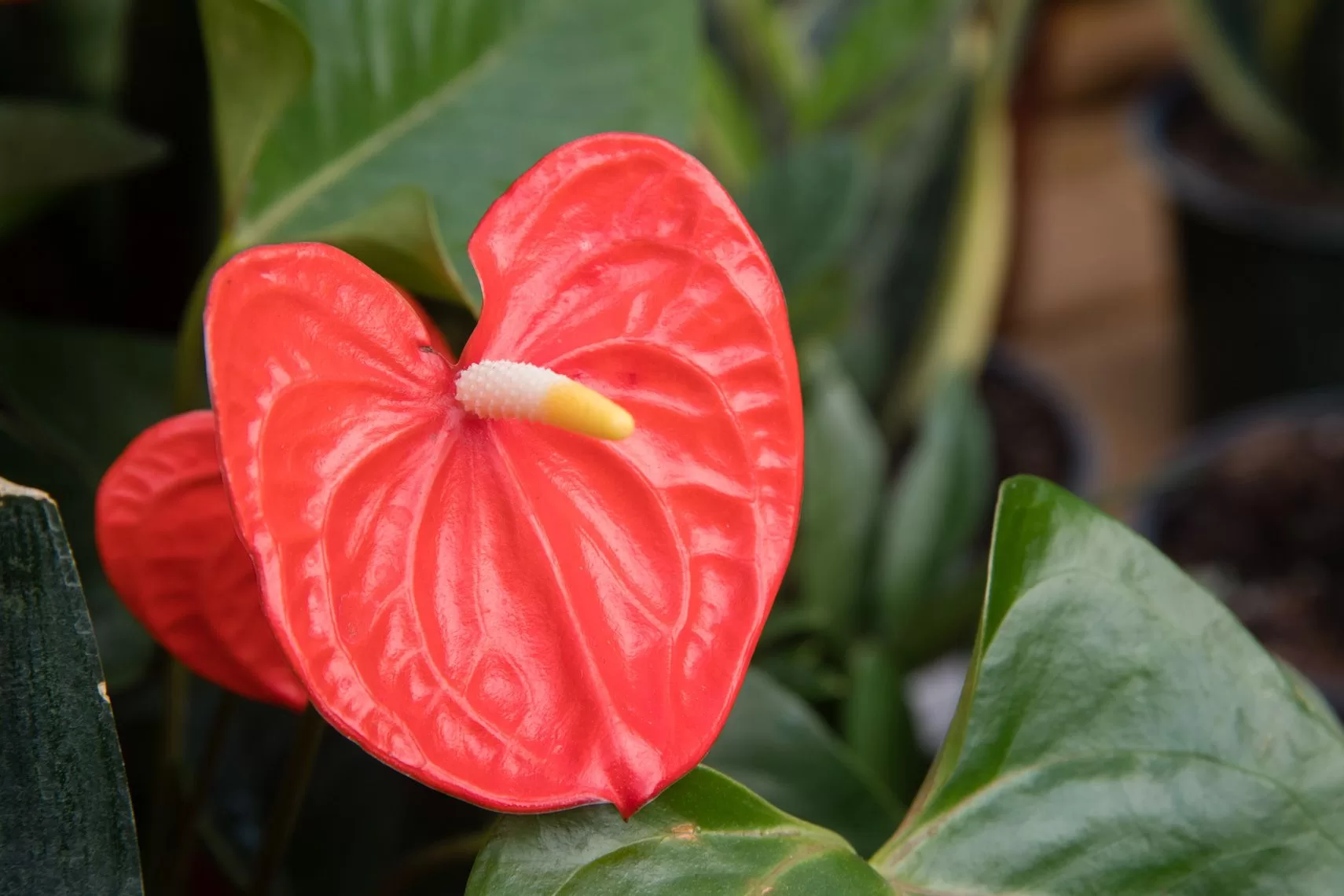
The colorful, waxy, heart-shaped spathes of anthurium are the reward for growing this tropical plant. Blooms last up to 8 weeks and many blooms nearly year-round.

Do provide ample humidity by keeping the plant on a tray filled with pebbles. To keep leaves glossy, wipe down with a damp cloth or clean with a fine spray of warm water.

Don’t allow pets to chew on foliage, as it contains calcium oxalate crystals and toxic proteins that can cause severe mouth burning or skin irritation, including humans too.

LIGHT

Content divider

Bright to moderate, with no direct sun.

WATER

Content divider

Water thoroughly when the first inch of the soil becomes dry to the touch, stopping when water starts draining from the drainage holes. The more sunlight and warmth that it gets, the more water it will need, so check the soil for dryness every few days. These plants will provide signs of stress or thirst. If thirsty, the plant will be light when you lift it and will have droopy or puckering leaves. You will cut back on watering during the winter months because this is when the plant is not actively growing.

FERTILIZING

Content divider

Anthurium plants don’t require much fertilizer. The plant only needs to be fertilized with a one-quarter strength fertilizer once every three to four months. To get the best blooms, use a fertilizer that has a higher phosphorus number (the middle number).

TIPS

Content divider

Leaves turn yellow is a sign of overwatering. Check drainage holes to make sure they aren’t plugged by debris.

Lower leaves are yellow with brown tips is a sign of over fertilization. Also, brown leaf tips without yellowing may be a sign of extremely dry air. In this case, increase humidity.